Durban: Accommodation, attractions and planning your stay
Durban, a vibrant city on KwaZulu-Natal’s coast, offers a broad spectrum of places to stay, from stylish beachfront hotels to intimate guesthouses and contemporary city apartments. Whether you prefer waking to sea breezes along the Golden Mile, staying close to the bustling CBD, or retreating to leafy neighbourhoods inland, Durban’s accommodation landscape is designed to suit a range of budgets and travel styles. When planning a stay, think about the rhythm you want during your visit: long beach walks, cultural experiences, or easy access to natural scenery and safari day trips.
Areas to consider when booking your Durban stay include:
- Beachfront and beachfront-adjacent districts for easy access to ocean views, promenades and nightlife;
- City centre or parliamentary fashionably served neighbourhoods for quick hops to museums, markets and business facilities;
- Subtropical residential suburbs such as Morningside or Glenwood for a calmer atmosphere, leafy streets and convenient access to eateries and cafés;
- Historic towns and inland valleys nearby for day trips into rolling scenery and cultural experiences beyond the coast.
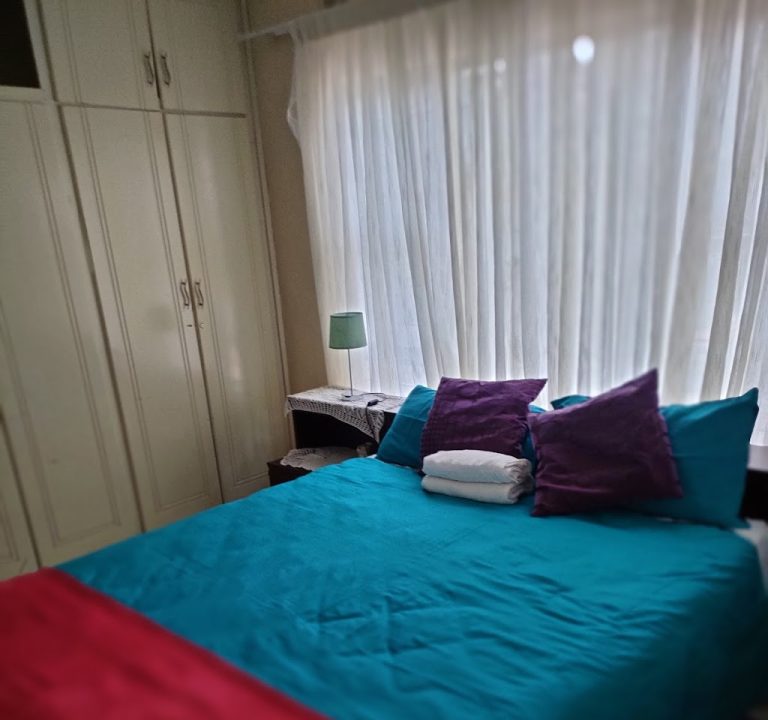
When choosing your accommodation, look for several practical features. A comfortable bed and quiet rooms are essential after days spent exploring. Ask about air conditioning or ceiling fans, as Durban’s climate can be warm and humid, especially in summer. Consider properties that offer flexible breakfast options, reliable Wi‑Fi, secure parking or easy access to public transport, and clear information about check-in times and late arrivals. For families or groups, ask about family rooms or apartment-style layouts with kitchen facilities, which can provide convenience and value. If you travel with a vehicle, confirm on-site parking or nearby options, and check how close the property is to major roads or reliable taxi services.
Transport in Durban is straightforward, though it pays to plan in advance. The city’s coastal routes are well served by taxis and ride-hailing options, with Uber and other services commonly available. For longer journeys or day trips to the countryside, renting a car gives you freedom to explore at your own pace. If you favour public transport, the local bus services and commuter rail can connect you to popular sights and university neighbourhoods, but timetable changes and peak-hour crowding can affect convenience. When staying near the beachfront, pedestrian access to promenades makes strolls and late-evening dinners particularly enjoyable. Always have a rough plan for getting back to your base after a night out, especially if you’re unfamiliar with the area.
Best time to visit Durban is influenced by weather and activities. The coast enjoys a warm subtropical climate, with hot summers and mild winters. The peak tourist season typically runs from late spring through autumn, when sea breezes are pleasant and outdoor markets, festivals and seaside activities are in full swing. If you’re seeking calmer streets and potentially lower rates, consider the shoulder seasons, but be prepared for occasional rain or variable coastal conditions. For wildlife fans, day trips to inland reserves and the Valley of a Thousand Hills can be sunlit and spectacular at nearly any time of year, though drier winter periods often yield clearer wildlife viewing in certain settings. Pack light layers, a sunhat, sunscreen, and a reusable water bottle to stay comfortable during long days of exploration.
When it comes to planning activities, Durban has a wealth of experiences without needing to travel far. The beachfront precincts offer wide promenades, seasonal markets, and family-friendly attractions. Cultural enthusiasts can explore museums and galleries, while food lovers will enjoy diverse culinary scenes spanning traditional African flavours to modern fusion dining. In general terms, there are opportunities to combine a few relaxed days by the sea with excursions to nature reserves, botanical gardens, and hillside viewpoints. For visitors who enjoy guided perspectives, many accommodation providers can arrange casual walks, tastings, or cultural tours that showcase local neighbourhoods, crafts, and history—often with knowledgeable guides who can tailor itineraries to interests and pace.
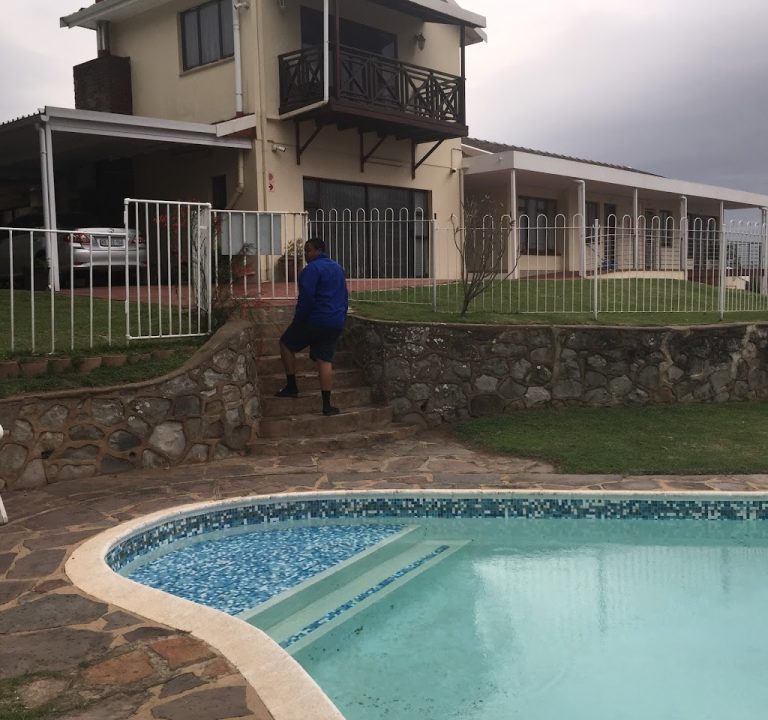
Typical amenities you might encounter during a Durban stay include en-suite bathrooms, daily housekeeping, in-room coffee and tea facilities, and access to on-site restaurants or bars. Some properties offer fitness centres, swimming pools, spa services, or business facilities for travellers who blend work with leisure. In-room smart conveniences, such as streaming-enabled televisions and reliable complimentary Wi‑Fi, are increasingly common, alongside practical touches like luggage storage, late check-in options, and airport transfer assistance by request. If you have specific needs—for example, accessibility features or pet-friendly spaces—it's worth asking the property in advance to confirm suitability.
Practical tips for getting the most from your Durban stay:
- Book with flexibility where possible, especially if your plans involve outdoor activities that depend on weather.
- Read recent guest reviews to gauge how the property performs in terms of cleanliness, service, and location.
- Ask for local dining recommendations and non-touristy experiences to balance busy sightseeing days.
- Plan a balanced itinerary that includes both relaxation and exploration to avoid fatigue.
- Check transport options from your accommodation to key sights and ensure you know the approximate travel times.
Durban is a city of contrasts and charm, where the sea, hills, markets and multicultural culinary scenes converge. With thoughtful accommodation choices and a flexible plan, you can enjoy a memorable stay that captures the essence of KwaZulu-Natal’s coast—whether your priority is breezy beach days, cultural immersion, or easy access to day trips into the surrounding landscapes. For more information and booking options, explore reputable hotel, guesthouse and lodge websites, and consult the properties’ own pages for detailed amenities and local tips. You may also find visitor information centres and regional tourism sites helpful as you shape your itinerary.