Durban, KwaZulu-Natal: Accommodation, Attractions and Planning a Stay
Durban offers a lively blend of beach and city, with a relaxed African hospitality that makes it easy to unwind while exploring the coast. When planning a stay in this subtropical city, consider choosing a neighbourhood that matches your aims—whether you want easy beach access, a central base for exploring the city, or a quieter residential vibe with easy transport connections. Guest houses and small boutique stays, such as those in residential suburbs or near the beachfront, provide a friendly alternative to larger hotels and can offer insider tips on local dining and experiences.
Areas to consider include the popular beachfront precincts along the Golden Mile and the central city area, which are handy for strolling along the coast, visiting markets, and accessing some of Durban’s cultural spaces. The northern suburbs, including coastal villages and secure residential streets, tend to be well suited to guests who value a calm, walkable neighbourhood while still being within reach of main roads and public transport. If you’re seeking a vibrant dining and nightlife scene, a base near Musgrave Road or Florida Road can be convenient, with a range of eateries and easy access to attractions by taxi or rideshare.
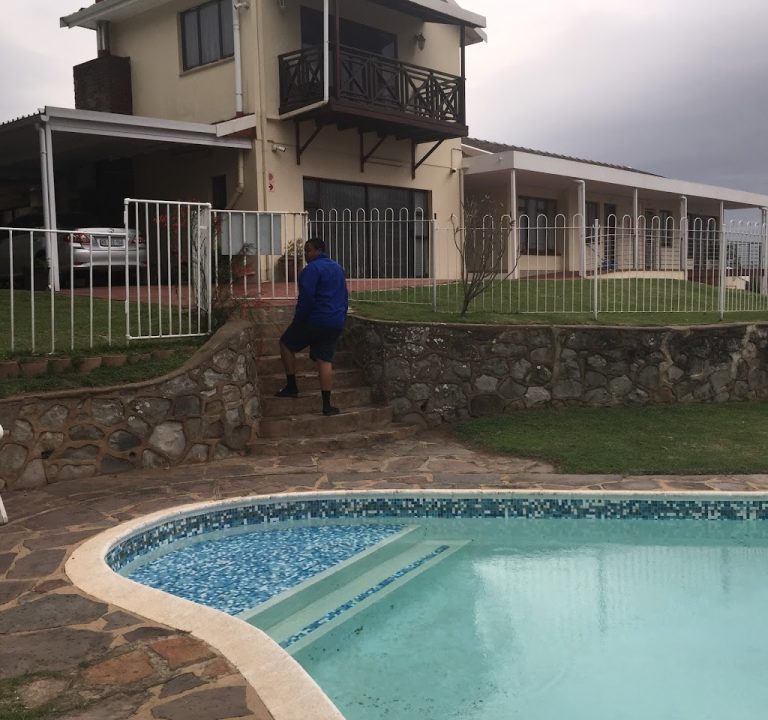
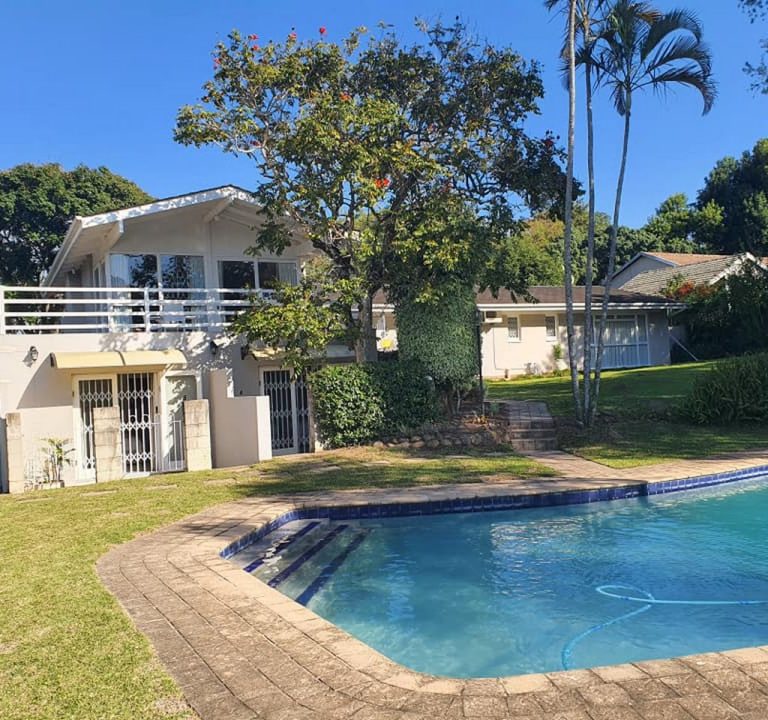
Typical accommodation offerings in Durban span guest houses, B&Bs, small boutique hotels, and self-contained units. In a guest house setting, you may find a warm, personable atmosphere with breakfast service, daily housekeeping, and shared guest spaces. Some properties offer in-room amenities such as air conditioning, free Wi-Fi, flat-screen televisions, and private or en-suite bathrooms. For longer stays or families, self-catering units or cottages within larger guest houses are common and practical, providing kitchen facilities and a sense of home convenience.
When booking, look for the essentials that will make a stay comfortable and stress-free. Consider the level of security, parking availability, and whether the guest house is easily accessible by public transport or close to main routes for day trips. A good indicator of value is the inclusion of breakfast or the option for self-catering, the presence of robust Wi-Fi, air conditioning or ceiling fans (Durban can be hot in summer), and comfortable beds with adequate privacy. If you rely on a stay connected to flights or day trips, check proximity to King Shaka International Airport and the main arterial roads that connect to the city and out to coastal towns.
Transport around Durban is varied. Taxis and rideshare services are commonly used for short hops to the beach, markets, or surrounding neighbourhoods. If you plan to explore beyond the immediate area, renting a car provides flexibility to visit inland attractions or more distant beaches. Many guest houses in Durban offer on-site parking, and some may organise local transfers or guided day trips. Public transport options exist, but for visitors unfamiliar with the city, a central base with easy access to taxi routes or a short drive to a car rental office can simplify planning.
Best time to visit Durban tends to be in the warmer months when the sea is inviting and outdoor activities are plentiful. The period from late spring to early autumn offers long days for beach time, wildlife experiences in nearby reserves, and outdoor markets. The city experiences occasional rainfall in the warmer months, so packing a light rain layer is sensible. Off-peak periods can be good for quieter streets, better value accommodation, and shorter queues at popular spots, though some outdoor venues may have reduced hours in cooler weather.
Practical tips for a smooth stay in Durban:
- Book an accommodation with reliable Wi-Fi, air conditioning or fans, and secure parking if you plan to drive.
- Choose a guest house or boutique property with easy access to main roads and public transport for efficient day trips.
- Pack sun protection, light, breathable clothing for the day, and a light sweater for cooler evenings.
- Plan a mix of beach time, markets, and cultural spaces to balance outdoor and indoor experiences.
- Respect local safety guidelines and keep valuables secure, especially in busy urban areas or crowded markets.
- Ask hosts for practical tips on current conditions, safe neighbourhoods to walk in after dark, and recommended dining options.
Durban’s attractions are broad and appealing to many travellers. General highlights include strolls along long sandy beaches and a thriving harbour-front atmosphere, with museums and cultural precincts reflecting the city’s diverse communities. For meals, a range of restaurants and eateries offer seafood, Indian-influenced fare, and contemporary South African menus, often with vibrant street life nearby. To narrow your choices without committing to specific venues, look for venues positioned as friendly, family-run guest houses or small hotels that can provide thoughtful recommendations and practical tips on the best places to eat, shop, and explore during your stay.
For inspiration and practical planning, you can explore Durban’s official tourism resources or reputable travel guides that foreground visitor-friendly experiences, local markets, and family-friendly activities. When you’re ready to book, try to secure a stay with flexible cancellation options and a clear outline of included amenities. A well-chosen base in Durban can transform a coastal holiday into a conveniently paced retreat, with easy access to beaches, parks, and the city’s welcoming communities.