Discovering Cape Town: Accommodation, Attractions and Getting Around
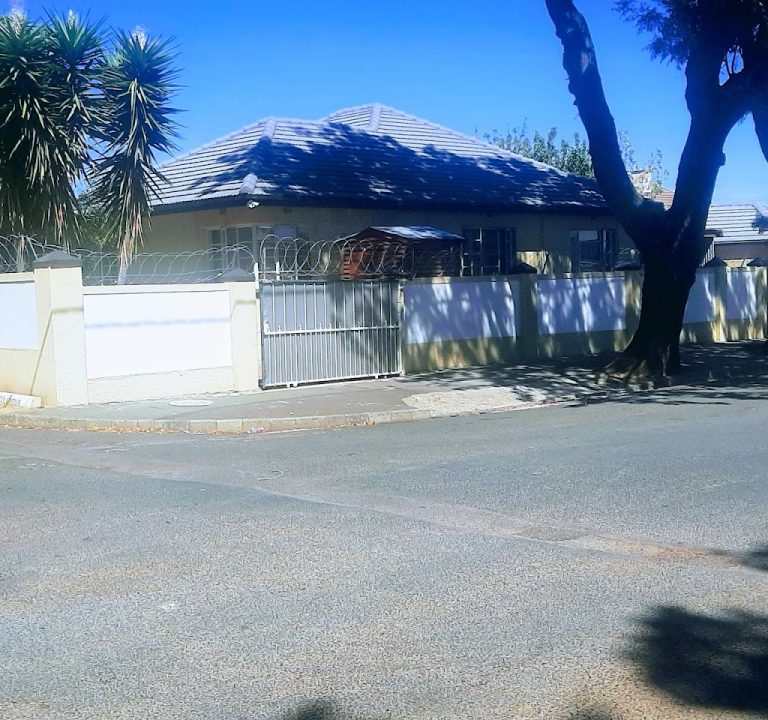
Cape Town offers a vibrant mix of stays, from stylish boutique BnBs tucked in leafy neighbourhoods to contemporary lodges with dramatic mountain views. When planning a visit, think about what kind of experience you want: whether you favour a postcard-perfect coastal setting, a city-centre base within easy reach of sights, or a tranquil retreat with gardens and wine routes nearby. The Greens, noted for indoor lodging, sits within this broader spectrum, and there are plenty of options to suit different budgets and travel styles.
Areas to consider
- City Bowl and the Central Waterfront: Convenient for first-time visitors seeking quick access to major sights, museums, and diverse dining. Staying here often minimises transit time, with walkable routes to many attractions.
- Atlantic Seaboard (Sea Point, Bantry Bay, Camps Bay): Known for coastal ambience, sea views, and easy access to beaches. This area suits travellers who want scenic mornings and relaxed evenings by the coast.
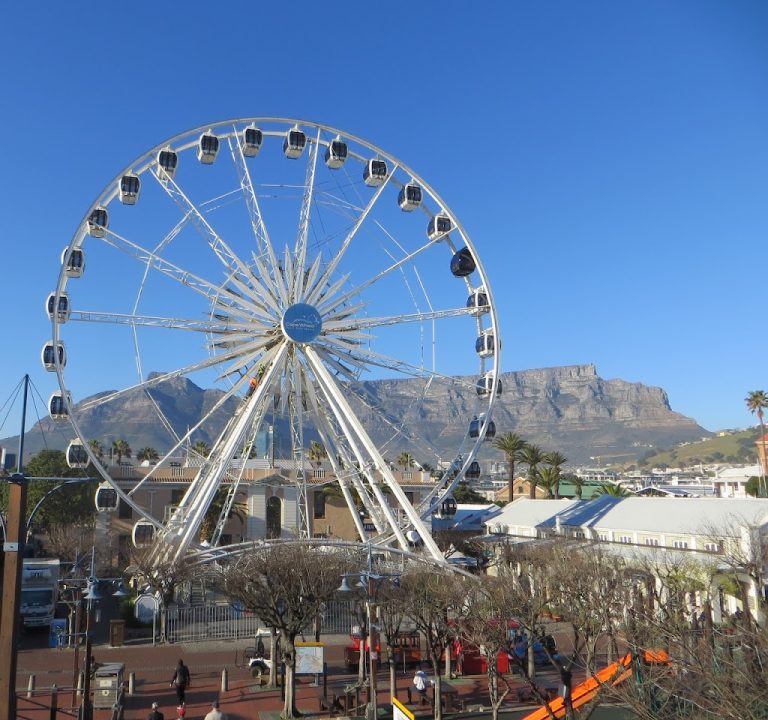
- Green Point and V&A Waterfront: A lively hub with a mix of modern hotels and guesthouses, several eateries, and waterside strolls. It works well for those who enjoy staying close to shops and entertainment.
- Constantia and Constantia Valley: A leafy, suburban area ideal for wine lovers and travellers seeking more serene mornings, often within reach of nature reserves and historic estates.
- Southern Suburbs and the Cape Winelands: For guests who prefer a quiet rural feel with easy day trips to wine farms and nature trails, while still being a reasonable drive from central Cape Town.
What to look for when booking
- Location relative to planned activities: Proximity to beaches, the Table Mountain cableway, or Table Mountain National Park can save valuable time.
- Access to reliable transport: A guesthouse or lodge with easy access to MyCiTi buses, Uber services, or on-site parking is convenient, especially if you are renting a car.
- Room configuration and privacy: En-suite bathrooms, good natural light, a compact kitchen or minibar, and quiet rooms help restful stays.
- Amenities that matter: Free Wi-Fi, secure parking, adequate heating or air conditioning, and flexible check-in options can make a big difference.
- Safety and reviews: Read recent guest feedback focusing on cleanliness, staff helpfulness, and safety in the surrounding area.
- Sustainability and local character: Many visitors value properties that source locally, support community initiatives, or offer insights into the local cultural scene.
Typical amenities you may encounter
- Complimentary breakfast options, including local favourites
- En-suite bathrooms with quality towels and toiletries
- Wi‑Fi access across living and bedroom spaces
- Self-catering facilities or tea and coffee provisions
- Secure parking or easy public transport access
- Outdoor spaces or terraces with views
- Housekeeping services at custom frequencies
- Concierge assistance for tours and restaurant bookings
Planning your stay: transport, timing and practical tips
- Getting around: Cape Town’s geography means some sites are best reached by car, while the MyCiTi bus network offers a straightforward public transport option for popular routes. Taxis or ride-hailing apps are convenient for evening plans or when you want to move quickly between neighborhoods.
- Best time to visit: Summer (approximately November to February) brings warmer days and beachgoing opportunities, but spring and autumn offer calmer crowds and pleasant hiking weather. Winter can be misty or rainy on the mountain, yet it can be a cosy time to explore museums, markets and wine estates.
- Planning day trips: A blend of coastal drives along the Atlantic Seaboard, a cableway ascent of Table Mountain, and wine-tasting excursions in nearby valleys makes for a varied itinerary. Expect longer drives for some scenic routes, especially if you include Cape Point or the Cape Peninsula.
- Practicalities for bookings: Check cancellation policies, whether breakfast is included, and if there are dining options on-site or nearby. Consider loading a few trusted restaurant and activity suggestions onto a device so you can adapt plans if weather shifts.
- Safety and etiquette: As with any major city, stay aware of your belongings in busy areas and follow local guidance. Respect local communities and be mindful of the environment when visiting nature reserves or beaches.
Attractions and dining in general terms
Cape Town’s appeal spans iconic natural wonders, historic sites and a vibrant culinary scene. Outdoor highlights include expansive coastal viewpoints, mountain trails, and marine life opportunities. Museums and galleries offer insights into the region’s complex history and contemporary culture. Dining ranges from casual eateries serving seafood and barista‑level coffee to refined establishments showcasing modern South African cuisine. In most neighbourhoods you’ll find a mix of casual cafés, lively markets and quality restaurants offering a flavour of local produce and wine.
Practical planning tips
- Book a stay with flexible dates when possible to adapt to weather or changing plans.
- Research nearby markets and parks for free or low-cost day activities alongside paid experiences.
- Check the accessibility of attractions if you have mobility needs, including lift access for mountain viewpoints or guided tours tailored for guests with reduced mobility.
- Consider a light itinerary that balances time outdoors with indoor culture, so you can switch plans if the weather changes.
Further information and planning resources
- For a broad overview of what Cape Town has to offer and practical travel planning tips, official tourism resources can be a helpful reference: https://www.capetown.travel
- Local district guides and accommodation directories often include guest reviews, transport tips, and maps to assist with choosing a suitable base for your stay.
Whether you want a stylish city centre stay or a tranquil coastal retreat, Cape Town makes it easy to tailor an itinerary that suits interests and pace. With thoughtful accommodation choices and a flexible plan, you can soak up the scenery, savour the food and wine, and enjoy a memorable visit to this iconic corner of the Western Cape.