Cape Town: Accommodation, attractions and planning your stay
Cape Town sits at the southern tip of Africa, offering a dramatic mix of ocean, mountains and urban culture. When planning a stay, travellers often weigh location, style of accommodation and access to activities to make the most of their time. A well‑chosen base can make day trips, dining and sightseeing smooth, comfortable and enjoyable, whether you prefer a stylish boutique guesthouse, a self‑catering apartment or a family‑friendly lodge.
Consider first which neighbourhoods suit your itinerary. The City Bowl is close to museums, galleries and the historic centre, with easy access to colourful markets and a backdrop of Table Mountain. A seaside stay in areas such as the Atlantic Seaboard or the Atlantic suburbs can offer dramatic coastal views and a slower pace, ideal for sunset strolls and relaxed dining. If you plan to explore the Cape Winelands or the Cape Peninsula, a self‑catering option with a kitchen or kitchenette can simplify meals after long days of sightseeing. For guests who value proximity to beaches and outdoor activities, a location near the coast can reduce travel time and increase opportunities for outdoor adventures each day.
In the range of accommodation types, self‑catering guesthouses and small boutique hotels are common favourites for travellers seeking convenience and flexibility. A self‑catering option, such as a guesthouse offering a kitchen or kitchenette, can be ideal for families, groups or travellers who prefer to prepare their own meals or snack between activities. Look for facilities like a well‑equipped kitchen, laundry access, comfortable living spaces and reliable Wi‑Fi. If you plan longer stays, a comfortable lounge area and workspace can also be valuable features.
Typical amenities worth prioritising include secure parking or easy access to public transport, reliable hot water and heating, and clear information about local transport options. Cape Town’s hilly terrain and the popularity of scenic drives mean that access to a car can be convenient, though many neighbourhoods are well served by Uber or ride‑hailing services and some guesthouses provide shuttle arrangements. Proximity to MyCiTi bus routes or light rail connections can simplify trips into the city centre or to the waterfront and the V&A precinct.
When booking, consider the essential details: the size and layout of the space, whether linens and towels are provided, and how housekeeping works during longer stays. Payment terms, cancellation policies, and any rules related to shared facilities (for example, kitchen use or garden areas) are also worth noting. If you plan to stay in peak season, it is prudent to secure accommodation well in advance, particularly for family groups or special occasions. Read recent guest reviews to gauge consistency in service, cleanliness and responsiveness.
For a balanced experience, plan a mix of restful days and activity days. Cape Town offers myriad outdoor pursuits, from harbour and coastal walks to walks on Table Mountain or the nearby nature reserves. Day trips to the Cape Peninsula, Simon’s Town and the cape’s nature reserves are popular, and a well‑planned itinerary can help you avoid peak traffic times. In the city, you can combine a waterfront stroll with a harbour cruise, a visit to historical sites and a meal at a restaurant that highlights local ingredients and South African flavours. For those who enjoy markets and craftwork, local markets provide an opportunity to browse artisan goods and sample street foods in a lively atmosphere.
Best time to visit depends on your priorities. Spring (September to November) and autumn (March to May) often offer mild weather, fewer crowds and comfortable sightseeing conditions. Summer (December to February) brings longer days and vibrant outdoor life, but can be busy around popular beaches and attractions. Winter (June to August) is cooler and a good time to explore museums, galleries and nearby wine regions with fewer crowds.
Practical tips to help you plan your stay:
- Check the exact location on a map to understand proximity to attractions you intend to visit and to dining options.
- Ask hosts about transport options and recommended local routes for safe and efficient travel, especially if you plan to visit Table Mountain or the peninsula areas.
- Look for flexible cancellation policies and clear check‑in procedures, particularly if you are travelling during peak seasons or uncertain dates.
- Consider the kitchen facilities and shopping options nearby for self‑catering stays, including grocery stores and fresh produce markets.
- Verify access to reliable Wi‑Fi and a comfortable workspace if you need to stay connected during your visit.
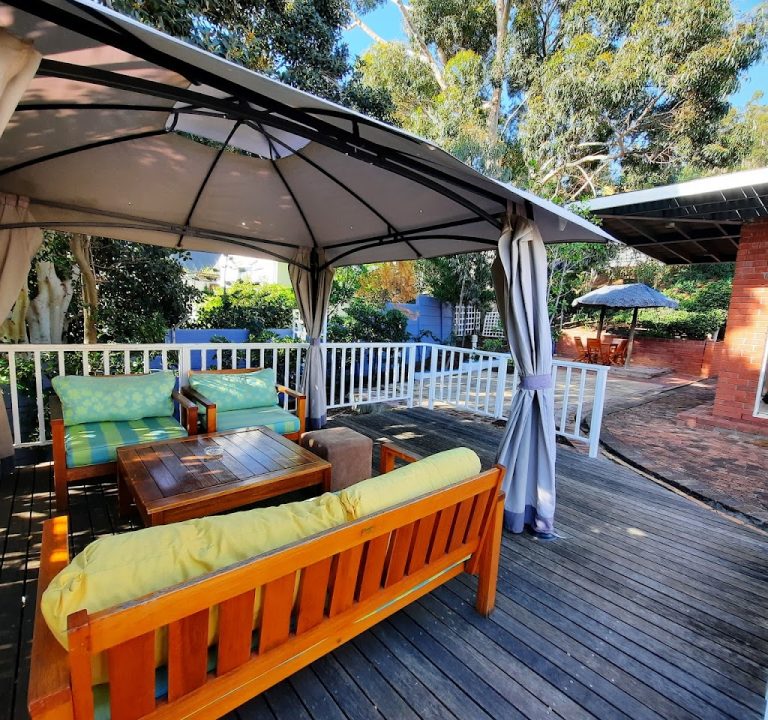
One example of an accommodation option that aligns with these priorities is a self‑catering guesthouse such as Guesthouse Casa‑Sauvignon. While each stay is unique, self‑catering spaces often combine privacy with the convenience of a kitchen and living area, enabling guests to tailor daily routines to their plans. You can learn more about available spaces and booking details on the property’s website: Casa-Sauvignon.
Whether you are drawn to the iconic scenery, vibrant dining scene or the chance to explore Cape Town’s diverse communities, a well‑chosen base helps you experience the city with ease. Plan patience and flexibility into your itinerary, book thoughtfully, and you’ll be able to enjoy a memorable stay that balances restful downtime with engaging, accessible experiences across this remarkable part of the Western Cape.