Accommodation and Exploring Queenstown, Eastern Cape: A Traveller’s Guide
Queenstown, nestled in the Eastern Cape of South Africa, offers a compelling blend of characterful stays, scenic landscapes, and accessible town centre amenities. Whether you are seeking a cosy guesthouse, a modern boutique hotel, or a countryside lodge, the town serves as a practical base for exploring the surrounding farming hinterland, game reserves, and the lifelike charm of daily rural life. Planning your stay around a few well-considered areas can help you make the most of your time in this relatively under-the-radar gem.
Areas to consider when booking:
- Town centre and historic streets: Central locations place you within easy walking distance of eateries, shops and the main transport links.
- Around the hospital and business district: Often well-connected by taxi routes and with a range of mid-range options, suitable for shorter stays.
- Outskirts and countryside routes: Guesthouses and lodges on the outskirts can offer more space, tranquil views, and quicker access to rural drives and nature trails.
- Proximity to natural attractions: If your primary aim is outdoor adventure or nature, seek accommodations near the major viewpoints, dams or reserve access points, while keeping in mind the need for reliable transport in and out of town.
What to look for when booking a place to stay:
Room configuration and comfort are key. Check whether the guesthouse, B&B or hotel offers en-suite rooms, reliable heating or cooling, and a private or shared living space that suits your style of travel. In colder months, consider options with proper heating and warm communal areas; in warmer seasons, good ventilation or air conditioning becomes more important. A comfortable bed, clean bathroom facilities, and quiet rooms for restful nights should be near the top of your checklist.
Practical amenities to prioritise include onsite parking, reliable wi‑fi, and a generous breakfast offering. Many guesthouses and smaller hotels in Queenstown provide hearty, home‑style meals that showcase local produce and seasonal flavours. If you plan day trips or early starts, an option with early breakfast or a packed‑lunch service can be particularly convenient. For longer stays, ensure there are laundry facilities available or nearby launderette services.
Transport and getting around: Queenstown is a sociable town with a compact centre, but some attractions are best reached by car or organised tours. If you are hiring a vehicle, confirm parking availability and any local driving considerations, such as traffic patterns and speed limits. For those relying on public transport or rideshares, check the proximity of your accommodation to main streets and taxi stops. Some lodges and guesthouses can arrange guided excursions or shuttle services to nearby game reserves or scenic viewpoints, which can be valuable for first‑time visitors.
Best time to visit and climate: Queenstown experiences a temperate–continental climate with distinct seasons. Summer (December to February) brings long days and lush landscapes, ideal for outdoor strolls and short hikes. Autumn (March to May) offers cooler days and autumnal colours, with generally pleasant conditions for driving tours. Winter (June to August) can be cool and damp, but clear, crisp mornings often provide spectacular scenery—great for photographers. Spring (September to November) buds into life, with milder weather and improving visibility for wildlife drives. Pack layers, a adaptable coat, and sturdy footwear to cover the varied terrain.
What to do and see near Queenstown: While this guide focuses on where to stay and how to plan, there are several broad categories of activities you can consider. The area is known for its agricultural landscapes, rural hospitality, and access to nearby nature reserves and dams. Day drives through rolling countryside, short forested walks, and viewpoints offering sweeping panoramas are common and rewarding. If you enjoy local culture, look out for community‑run markets, crafts, and small eateries that showcase day‑to‑day life in the region. For wildlife and outdoor enthusiasts, guided safaris, birdwatching, and gentle hikes nearby can provide memorable experiences without requiring long travel times.
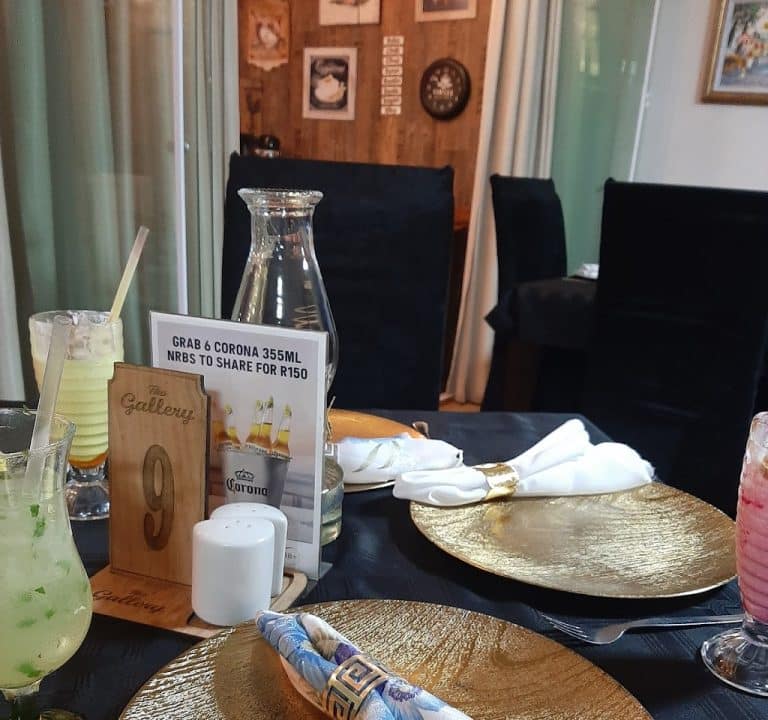
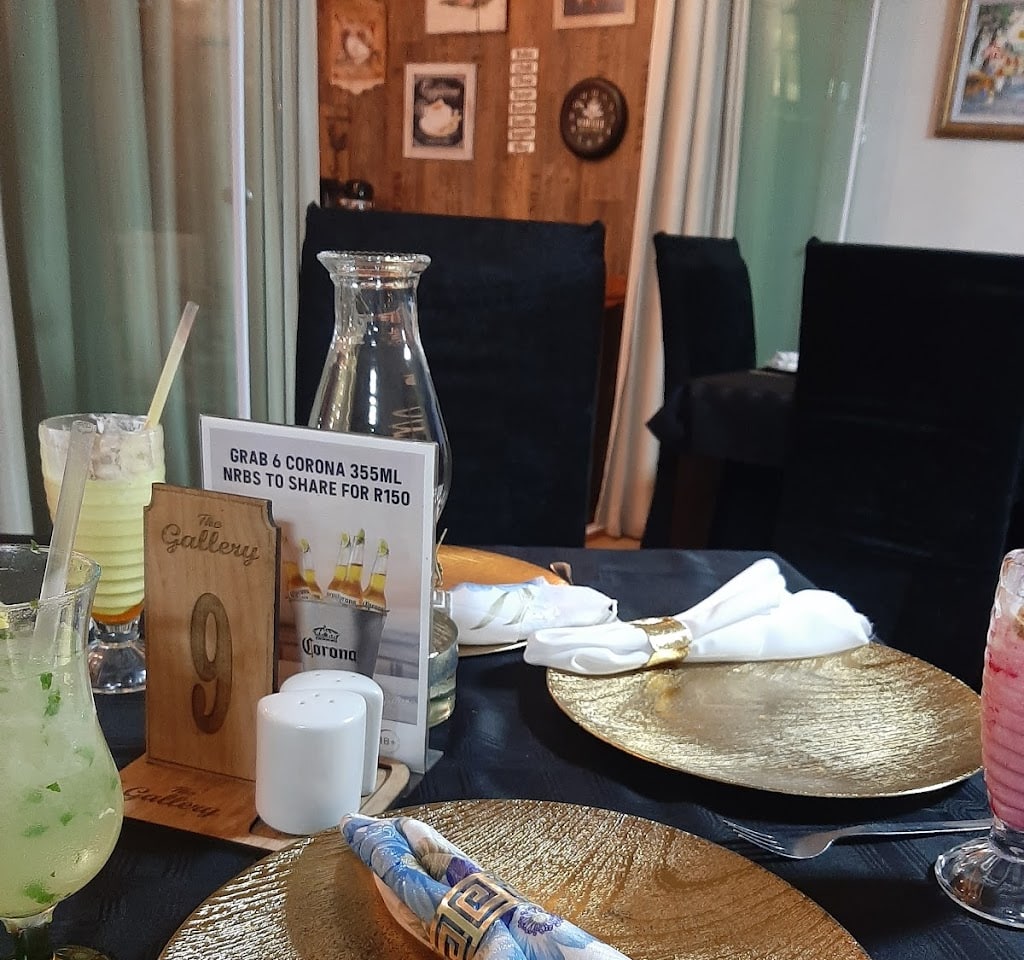
Dining and meals: Queenstown’s dining scene centres on uncomplicated, hearty meals made with local ingredients. In town there are casual eateries and traditional cafés where you can sample farm‑to‑table dishes and seasonal staples. If you are staying in a B&B or guesthouse with breakfast included, you may choose to supplement with lunch or dinner at nearby venues recommended by your host. For visitors seeking a dedicated restaurant experience, look for places described as welcoming and relaxed, with menus that emphasise seasonal produce and regional flavours. If you are visiting as part of a longer itinerary, a reservation for a popular dining spot can be sensible in peak periods.
Practical planning tips:
Plan a flexible itinerary that balances rest with light exploration. Allow for one or two full days in and around Queenstown to acquaint yourself with the town and to undertake short drives or walks without hurry. If you are visiting during peak season, book accommodation and any desired activities in advance to avoid missing out. Always confirm check‑in and check‑out times, and ask your host if you can store luggage securely if you arrive earlier than the standard time. Consider travel insurance that covers unforeseen changes to your plans, especially if you intend to pursue nature‑based activities or road trips. Keep local currency and card facilities in mind, as some small venues may operate on a cashless or mixed payment basis.
To round off your stay, a day or two exploring beyond Queenstown can be highly rewarding. The surrounding countryside, farms, and small settlements offer windows into rural life in the Eastern Cape, while still keeping your base accessible for a comfortable return each evening. By choosing a well‑located accommodation, checking essential amenities, and planning with the seasons in mind, you can enjoy a relaxed and rewarding visit to Queenstown without over‑planning or underestimating the pace of rural South Africa.