Staying in Queenstown, Eastern Cape: accommodation, planning and local highlights
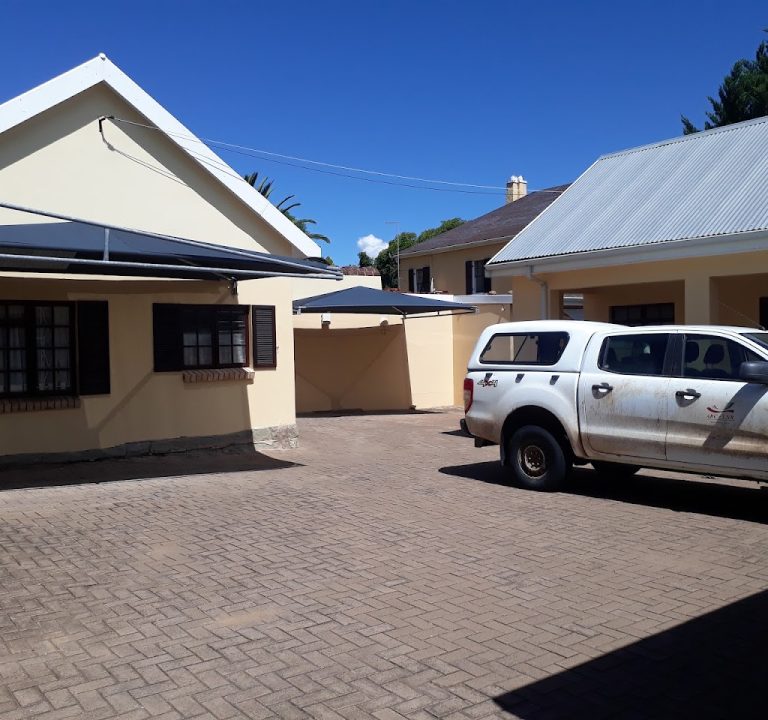
Queenstown in the Eastern Cape offers a friendly, small-town atmosphere combined with dramatic landscapes and easy access to the surrounding countryside. When planning a stay, consider how close you want to be to the town centre, supermarket and shops, as well as how easy it is to reach nearby nature trails and viewpoints. A bed-and-breakfast or guesthouse can provide a personalised welcome and insight into local life, while hotels and self-catering options offer different levels of convenience and privacy. A notable example in the area is Green Olive B&B, which typifies the warmth and character you can expect from a well-run B&B in this region.
Areas to consider for accommodation include the town centre, where you’ll find a cluster of eateries, cafés and the main streets. Staying on the outskirts of the central area can offer quieter nights and better access to scenic routes, while hillside and farm-based locations may provide elevated views and a sense of space. If you favour a short walk to amenities, a central location is ideal; for those seeking a slower pace or a countryside feel, look for guesthouses or lodges just beyond the town’s edge. When booking, map out a rough itinerary that balances indoor comfort with outdoor activities, so you know how much time you’ll want for morning strolls, afternoon drives, and evenings in local dining rooms.
Typical amenities you might encounter include complimentary breakfast, on-site parking, and in-room facilities such as en-suite bathrooms, air conditioning, and Wi‑Fi. Some properties offer private lounges, small kitchens or tea-making facilities, and outdoor spaces like courtyards or verandahs where you can unwind after a day exploring the area. If accessibility is important, filter for ground-floor rooms or properties with lifts and easy access. When booking, check cancellation terms and whether breakfast hours align with your planned activities, as early starts are common for nature outings in this part of the world.
Transport in and around Queenstown is generally straightforward. If you’re flying into the broader region, you’ll likely arrange a domestic flight to a nearby hub and hire a car for the most flexibility. Within the town, many guesthouses and lodges are walkable to key facilities, but for day trips into the surrounding countryside or to reach viewpoints, a vehicle is often the most efficient option. If you’re relying on public transport, confirm timetables in advance as frequencies can be limited on weekends; some accommodation providers can assist with transfers or suggest trusted local taxi services.
The best time to visit Queenstown depends on what you’re seeking. The climate is typically mild in peri-urban seasons, with warm summers and cooler evenings. Spring and autumn bring pleasant temperatures for walking and photography, while summer is ideal for outdoor activities in the surrounding hills and nature reserves. If you’re a keen walker or cyclist, plan for early starts to avoid the mid-day heat and to enjoy clearer skies. Winter can bring cooler nights and occasional rain, but it can also be a tranquil time to enjoy a cosy stay, warm meals and a fireside atmosphere at your chosen accommodation.
Attractions and experiences in general terms include scenic drives through rolling farmland, lookout points with far-reaching vistas, and gentle nature trails that accommodate families and visitors of all ages. Within Queenstown itself, you’ll find a historic town centre with architecture and heritage that reflects the region’s past, alongside market-style events or cultural gatherings that offer a glimpse of local life. For a broader outdoor day, there are opportunities to explore nearby hills, forests and streams, with routes suitable for a range of fitness levels. Visitors often combine a stay with a day trip to neighbouring towns or reserves, enjoying the unspoilt scenery and the sense of space that this part of the Eastern Cape affords.
Dining and casual eateries form an important part of the visitor experience. Local restaurants and cafes typically offer hearty, seasonal fare with a focus on fresh ingredients. You can expect friendly service and unhurried meals that suit travellers who want to unwind after a day of sightseeing. When choosing where to eat, consider places that offer a mix of traditional dishes and contemporary options, and look for venues that cater to dietary preferences. If you prefer to explore at your own pace, several accommodation providers publish gentle recommendations or maps of nearby eateries so you can plan your evenings without relying solely on reviews.
Practical tips to help you plan your stay:
- Book early for peak periods and school holidays to secure your preferred area and room type.
- Check the proximity of your accommodation to main roads and parking arrangements, especially if you plan day trips by car.
- Ask about breakfast style and serving times, as well as options for dietary requirements.
- Inquire about wi‑fi quality and quiet hours if your trip includes work or rest days.
- Pack layers for cool mornings and evenings, plus comfortable footwear for walks and light hikes.
- Consult local visitor information or your host for current trail conditions and seasonal tips.
Ultimately, a stay in Queenstown offers a balance of friendly hospitality, accessible outdoor scenery and a relaxed pace of life. By choosing a well-situated property, planning transport and activities in advance, and taking advantage of the local dining scene, you can enjoy a memorable visit that reflects the warmth and character of the Eastern Cape.