Queenstown, Eastern Cape: Accommodation, Attractions and Practical Planning
Queenstown in the Eastern Cape offers a inviting mix of rural charm and small-town hospitality. Known for its expansive skies, rolling hills and easy access to nature-rich landscapes, it’s a versatile base for travellers exploring the region. When choosing accommodation, consider proximity to town amenities, ease of self-drive access to surrounding sights, and the level of comfort you desire for a relaxing stay. Options range from self-catering apartments and cosy guesthouses to boutique lodges and family-friendly holiday homes, each with its own character and conveniences.
Areas to consider when booking include the town centre for convenience and walks to shops, restaurants and the main square, or quieter neighbourhoods a short drive away for more space and a tranquil ambience. Central locations are typically well served by petrol stations, medical facilities and a handful of eateries, while retreat-style stays on the outskirts can offer larger living areas, outdoor spaces and better views. If you’re travelling with children or a group, look for properties with secure parking, easy access and flexible sleeping arrangements. For longer stays, a kitchen or kitchenette is highly practical, and a living area with room to relax after days of exploration can elevate your comfort level significantly.
Typical amenities to expect include self-catering facilities, free Wi-Fi, heating or air conditioning depending on the season, and on-site parking. Many holiday apartments and guesthouses provide housekeeping services a few times a week, and some offer additional touches such as outdoor seating, braai facilities or access to a courtyard. If you’re looking for more hotel-like conveniences, options can include a reception area, daily housekeeping, a laundry service, and on-site social spaces. When booking, check bed configurations to match your group size, the availability of a washing machine or dryer for longer trips, and whether the property offers a secure, well-lit environment for evenings out in the town.
Transport in and around Queenstown is generally straightforward for travellers with a vehicle. Roads are typically well maintained, and a car gives you the freedom to explore the surrounding countryside, farms, viewpoints and short scenic drives at your own pace. For those relying on public transport, it’s worth confirming access to buses or local taxis from your accommodation, and whether the property can assist with arranging transfers for day trips. A map of the town and nearby towns can prove invaluable, especially if you plan to visit rural routes or nature reserves where signage may be more limited.
The best time to visit Queenstown varies by preference. Spring and autumn bring milder temperatures and fewer crowds, ideal for outdoor activities and photography. Summer offers longer daylight hours and opportunities for longer walks or gentle hikes in surrounding landscapes, while winter can be crisp and quiet, offering a different kind of tranquillity. If you are planning activities such as markets, local events or farm produce tastings, it’s worth checking seasonal schedules and opening times in advance, as some venues operate on weekend or seasonal hours.
When planning your itinerary, balance nature-based days with low-key downtime in town. A typical day could begin with a local coffee or breakfast stop, followed by a short scenic excursion or nature walk. Midday can be spent exploring local galleries or a farm-to-table dining experience, and evenings might include a relaxed stroll through the main streets, perhaps finishing with a casual meal at a popular, family-friendly restaurant. For families or groups, one or two days dedicated to a countryside outing, such as a farm tour or a short nature trail, can be a restful change of pace from busy city-style meals.
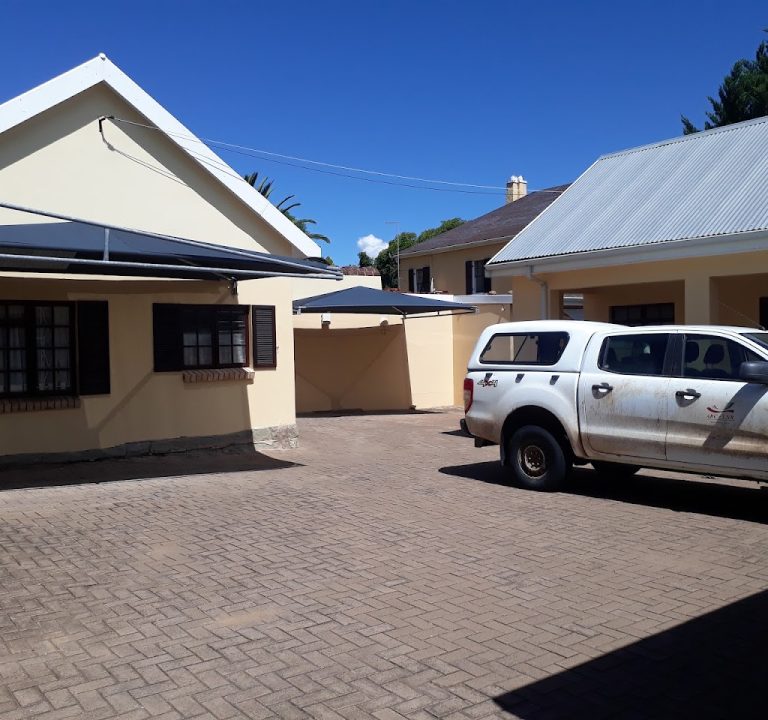
Accommodations in Queenstown often highlight guest comfort and a personal touch. For example, a holiday apartment such as Mechell’s Accommodation (where available) may offer spacious living areas, a well-equipped kitchen, and a private entrance, helping guests feel at home during their stay. When selecting a property, consider not only the sleeping arrangements but also the practicality of the living spaces—adequate storage, a comfortable seating area, and access to outdoor spaces can influence your overall satisfaction, especially for longer visits or for guests who value a home-from-home atmosphere.
Practical planning tips:
- Book early for peak travel periods to secure preferred locations, especially central town options or properties with kitchen facilities.
- Check access details, including parking availability, entry systems, and any quiet hours that may affect evening plans.
- Ask about nearby parking restrictions and loading zones if you’ll be hiring a vehicle.
- Review cancellation policies and confirm cancellation windows in case of weather or travel changes.
- Look for properties with guest reviews that mention helpful hosts, accurate descriptions and reliable Wi‑Fi if you rely on connectivity.
For assistance planning your stay, you can consult official tourism resources and regional guides for Queenstown and the wider Eastern Cape. They can offer general tips on routes, weather considerations and seasonal highlights. A well-chosen base in Queenstown, paired with flexible day trips to nearby parks, viewpoints and farms, can make for a memorable South African sojourn—combining comfort with access to authentic experiences in this scenic corner of the country. Visitors are encouraged to explore responsibly, respect local communities, and enjoy the hospitality that stays in Queenstown are known for.