Rustenburg: Accommodation, attractions and planning a stay in the North West
Rustenburg, nestled in the North West Province of South Africa, offers a varied choice of places to stay that suit quick getaways, family holidays or longer explorations of the Waterberg region. When planning a visit, think about two practical aims: a comfortable base for day trips and a lodging style that matches your travel tempo. From intimate B&Bs and cosy cottages to larger lodges and self-catering stays, the area presents options that balance access to nature with the comforts of home.
Choosing where to stay often comes down to location and what you plan to do. If your priority is easy access to nature and wildlife, consider lodging on the outskirts of Rustenburg or within the foothills of the Waterberg. For those who prefer more urban conveniences, stays nearer the town centre can cut down on driving time and provide convenient access to shops and dining. For families or groups, self-catering units with a kitchen, multiple bedrooms and safe parking can simplify logistics and keep costs predictable.
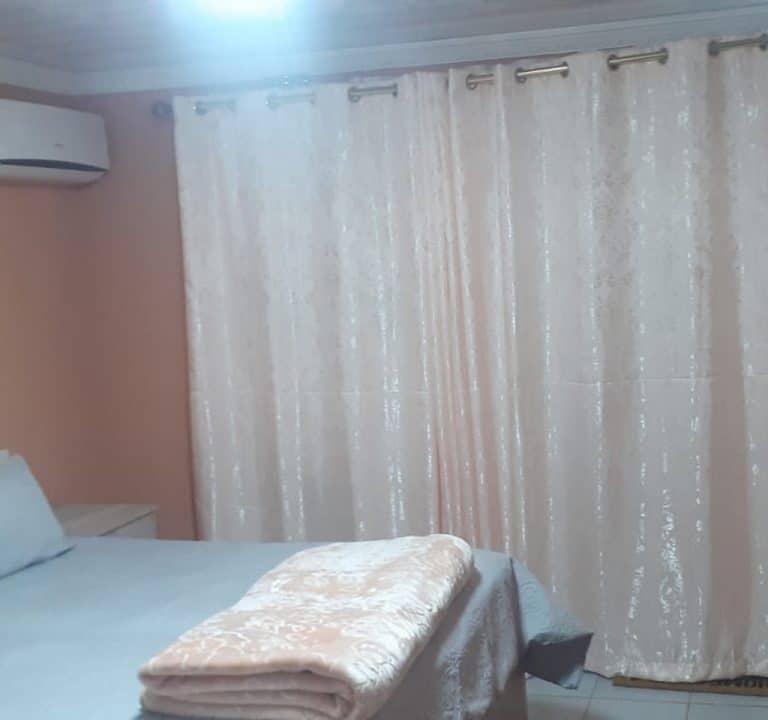
Typical amenities across Rustenburg’s accommodation include clean, comfortable bedding, en-suite or access to a private bathroom, reliable Wi‑Fi, and on-site parking. Many places offer daily housekeeping, secure entrances, and options for late check-in. If you anticipate early starts for day trips, a hearty breakfast option or a self-catering setup can be particularly beneficial. For those seeking a touch of luxury or a retreat-like atmosphere, a few lodges feature separate verandahs, outdoor spaces, and shaded gardens—perfect for relaxed evenings after a day exploring the surrounds.
Transport planning is straightforward with a car or 4x4 providing the most flexibility to explore the Waterberg Basin, nearby reserves, and scenic viewpoints. If you arrive by air, the tier of travel usually involves a transfer from Johannesburg or Lanseria, followed by a short drive to Rustenburg. While public transport is available in the region, it is less frequent outside the town centre, so renting a vehicle is a practical option for most visitors. If driving, allow time for potential delays on rural roads and always check the local weather, especially in winter months when morning fog or cool evenings can affect travel.
Best time to visit depends on your interests. The dry, cooler winter months (roughly May to August) are popular for bush viewing in surrounding reserves, when wildlife tends to gather around water sources and visibility is clear. Spring and early summer bring more vibrant birdlife and greenery, but populations can be more dispersed depending on rainfall that year. If you’re aiming for a more relaxed, crowd-averse stay, consider mid-week visits or shoulder seasons when accommodation tends to offer good value and more available dining options.
When booking, these considerations can help secure the right experience:
- Area and access: proximity to main roads, reserves, and town amenities. Decide whether you want a peaceful rural setting or a convenient base with quick access to shops and cafes.
- Room configuration: ensure the number of beds and bathrooms works for your group; check whether rooms have fans or heating as needed for the season.
- Self-catering vs. full service: assess whether a kitchenette, fridge space, and cooking equipment are essential for your plans.
- Security and parking: confirm secure entry and on-site parking arrangements, especially if you will be arriving late.
- Facilities and activities: some properties may provide on-site pools, braai areas, or guided experiences; verify what is included in the stay.
Nearby attractions can be enjoyed at a relaxed pace. Expect wide, open landscapes, nature trails, viewpoints over river valleys, and opportunities to observe local flora and birdlife. If your itinerary includes a wildlife outing, plan for a full day to maximise time in nature reserves. For food enthusiasts, Rustenburg’s dining scene typically features a mix of casual eateries and family-friendly restaurants offering traditional South African fare alongside lighter meals and international options. A relaxed, transitional dining plan—lunch in town, dinner at the accommodation or a nearby restaurant—can simplify logistics after a day outdoors.
Practical tips for a smooth stay include keeping a flexible schedule to account for changing weather and animal-spotting opportunities, packing layers for cool mornings and evenings, and bringing a small daypack for hikes or short excursions. If you’re planning multiple day trips, prioritise a central base and use daytime travel times to gauge what’s feasible. Always confirm booking policies regarding cancellations and any seasonal fees, and read recent guest reviews to get a realistic sense of current conditions and service quality. For additional inspiration, you can explore official tourism information and regional guides online to identify suitable routes, reserveable experiences, and practical travel tips tailored to your travel window.