Rustenburg: accommodation, attractions and planning your visit
Rustenburg, set in the North West Province of South Africa, makes for a convenient base for travellers exploring the Magaliesberg range, nearby nature reserves, and the broader North West region. When planning a stay, consider the range of accommodation on offer from guesthouses and bed & breakfasts to mid-range hotels and self-catering options. The town itself provides a calm, walkable centre with access to rural scenery, while the surrounding area offers wider opportunities for day trips and wildlife experiences.
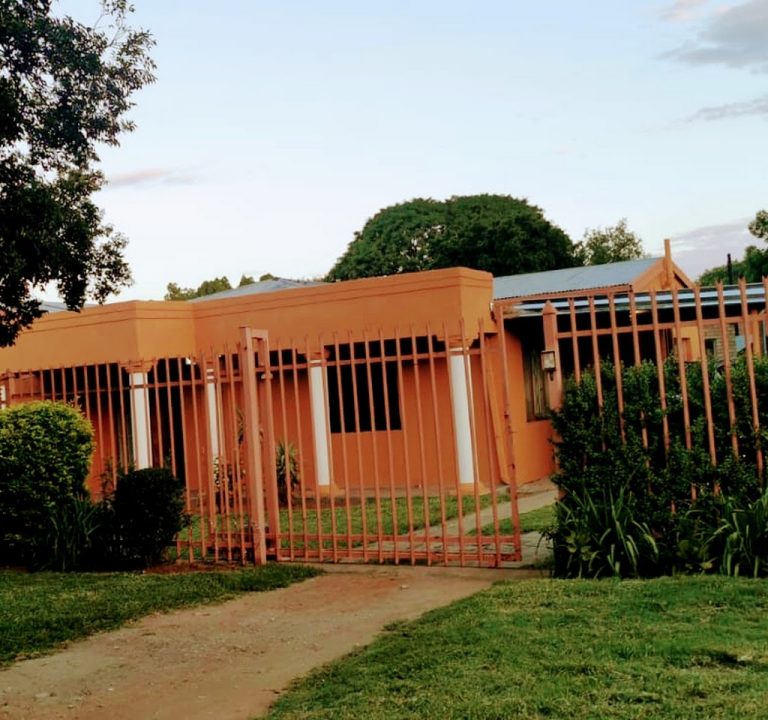
For accommodation, think about location in relation to your plans. If you want easy access to the town’s facilities, a guesthouse or boutique hotel in central Rustenburg can reduce travel time to shops, eateries and markets. If your priority is wildlife or landscapes, look for stays on or near the outskirts with convenient access to the N4 or regional roads that link to Pilanesberg National Park, the Magaliesberg escarpment and other natural attractions. Reamogetswe Bed and Breakfast serves as a representative example of the kind of personable, resident-hosted option that can offer local tips and a comfortable base for longer stays. While many B&Bs emphasise a homely atmosphere and breakfast inclusions, features vary, so read the booking details to understand what is included and to confirm suitability for your needs.
Typical amenities you might expect to find include en-suite bathrooms, secure parking, complimentary breakfast, and friendly reception from hosts who can point you to local routes and hidden gems. Some properties may offer Wi‑Fi, communal lounges, swimming pools, or garden spaces for relaxing after a day of sightseeing. If you are travelling with family or a group, look for family rooms or apartment-style accommodation with kitchen facilities, which can simplify meals and budget management. It is also worth checking accessibility options if needed, including ground-floor rooms and step-free access in buildings and public areas.
Transport planning is emphasised in Rustenburg because public transport outside the town is limited in parts. Renting a car is often the most straightforward way to reach nature reserves, scenic viewpoints, and neighbouring towns. If you prefer not to drive, investigate local tours or transfers offered by accommodation providers, which can be convenient for day trips to pilanesberg or other attractions. When budgeting, factor in fuel costs and potential peak-hour traffic along major corridors. For travellers arriving by air, the closest international gateway is Johannesburg or Pretoria, after which a road or private transfer connects you to Rustenburg.
Best time to visit Rustenburg generally aligns with the local climate. The area experiences warm summers and mild winters. For wildlife-focused activities, you may want to plan visits in the cooler parts of the day during hotter months, and consider the drier season when landscapes can be more open and drive times shorter. Outdoors enthusiasts should pack sun protection, comfortable walking shoes and layers for the variable weather. If you are visiting during school holidays, expect busier periods around popular natural sites and markets, so booking ahead is prudent for both accommodation and guided activities.
When it comes to attractions, Rustenburg acts as a gateway rather than a single hotspot. In the broader region, nature reserves and water features offer day-trip opportunities, with driving routes that allow you to combine scenery with relaxed meals or picnics. The vicinity also hosts markets and eateries where you can sample local produce and flavours in a low-key setting. For planning purposes, treat a day trip as a flexible option: start with a morning outdoor activity, followed by a relaxed lunch, and finish with a short stroll or a sunset viewpoint. Always check opening times and seasonal arrangements with your accommodation or local information sources before setting out.
Dining in and around Rustenburg covers casual cafés, family-friendly restaurants and more refined options. Without naming specific establishments, most venues offer traditional South African fare, light bites and regional dishes. If you have dietary preferences, compare menus in advance via accommodation websites or travel guides, and consider asking hosts for recommendations based on your tastes. Evening meals can be a pleasant way to wind down after a day of exploring, and many guesthouses and hotels provide on-site dining or curated village-style experiences that showcase local hospitality.
Practical planning tips include the following:
- Read guest reviews and confirm what is included in the rate (breakfast, parking, Wi‑Fi, housekeeping).
- Check the cancellation policy and any seasonal restrictions that may affect bookings.
- Ask hosts for local must-see spots, safe walking routes, and best viewpoints at different times of day.
- Consider combining a couple of nights in Rustenburg with a day trip to nearby reserves or escarpment viewpoints for a balanced itinerary.
- Prepare for summer heat and occasional afternoon showers; pack sun cream, a hat, light layers and a compact rain jacket.
In summary, Rustenburg offers a relaxed base with a range of accommodation styles and a gateway to regional nature and culture. By selecting a property that aligns with your plans—whether it is central access to town or proximity to nature reserves—you can enjoy a comfortable stay, practical transport options, and a well-paced itinerary that blends outdoor exploration with restful downtime. For those seeking a personable start to their North West adventure, a stay at a bed & breakfast such as Reamogetswe Bed and Breakfast can provide friendly hospitality and local insights to enrich your visit.