Accommodation and Attractions in Cape Town: Planning a Memorable Stay
Cape Town offers a rich mix of architectural charm, coastal scenery, and mountain vistas, making it a favourite destination for travellers seeking both relaxation and exploration. When planning a stay, consider the distinct neighbourhoods that characterise the city and its surrounds, the type of accommodation that best suits your plans, and the practical steps that can help you maximise your time.
Choosing where to stay
- City Bowl and the central suburbs are convenient for museums, galleries, and dining, with easy access to public transport and many guest houses, boutique hotels, and self‑catering options.
- The Atlantic Seaboard, including areas such as Green Point, Clifton, and Sea Point, offers scenic coastline, promenade walks, and vibrant neighbourhoods with a range of lodgings and restaurants within reach of the waterfront.
- Constantia and the southern suburbs are perfect for travellers seeking a quieter base with easy access to wine estates, hiking trails, and leafy streets.
- If you prefer colourful history and culture, explore the Bo-Kaap and nearby districts, where guest houses often provide a homely atmosphere and close proximity to notable sights.
What to look for when booking
- Location relative to planned activities: decide whether you want easy access to Table Mountain, the waterfront, or the winelands.
- Size and type of accommodation: guest houses, boutique hotels, and self‑catering apartments each offer different levels of privacy and facilities.
- Amenities that matter: reliable Wi‑Fi, air conditioning, secure parking, a comfortable lounge area, a well‑equipped kitchenette, and on‑site breakfast options.
- Transport links: proximity to MyCiTi bus routes, rental car pick‑ups, and safe pedestrian routes for evening strolls.
- Reputation and reviews: look for consistent positive feedback on cleanliness, helpful staff, and accurate descriptions of rooms, as well as transparent policies on cancellations.
- Accessibility and safety: check for good lighting, secure entry systems, and easy access to medical facilities and supermarkets.
Typical amenities you might find
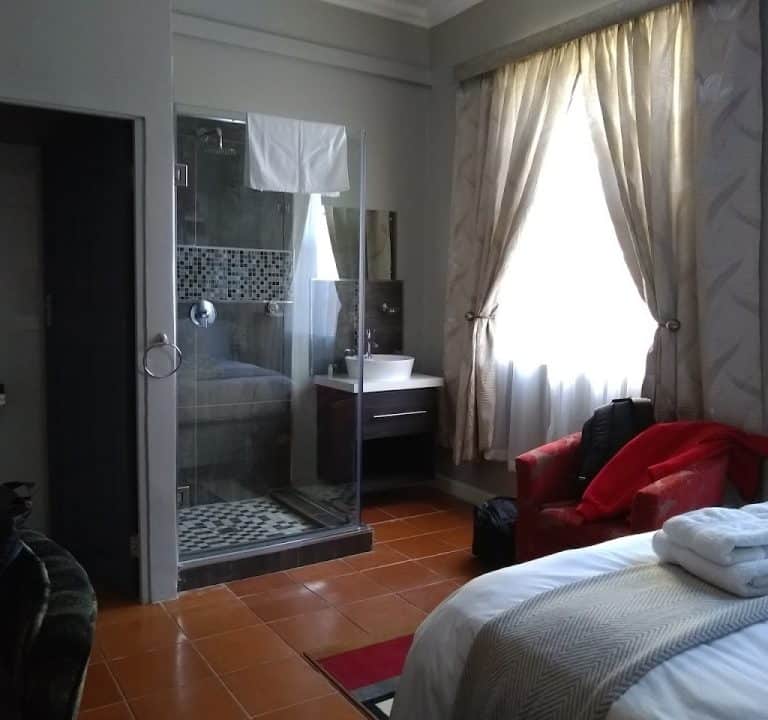
- En-suite rooms with private bathrooms, or shared facilities in smaller guest houses.
- Tea and coffee making facilities, courtesy bottled water, and sometimes a light continental breakfast.
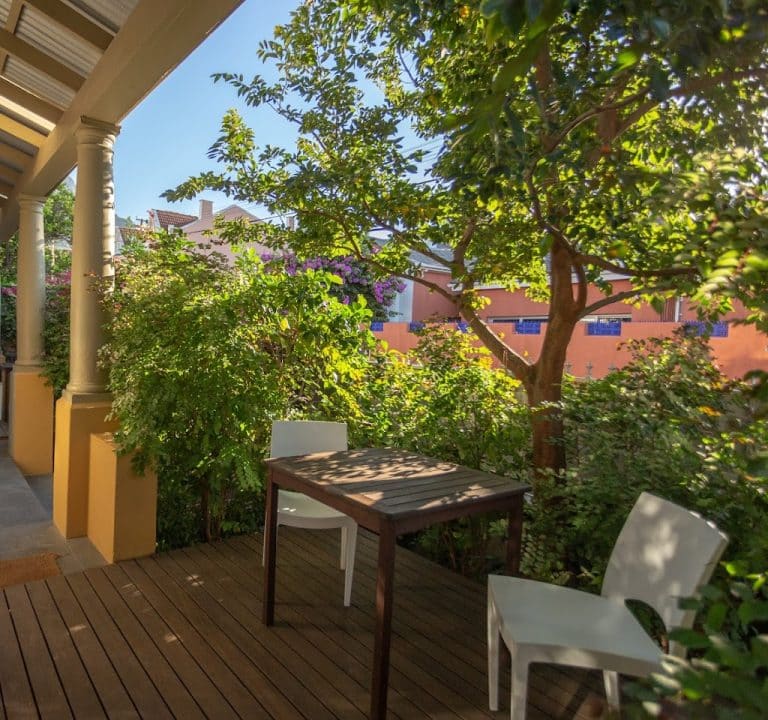
- Outdoor spaces such as a verandah, balcony or garden for enjoying Cape Town’s climate.
- Common social areas, like a guest lounge or a small library, that encourage conversation with other travellers.
- Services such as luggage storage, daily housekeeping, and advice on local experiences.
- Flexible check‑in and check‑out arrangements to suit travel plans.
Transport and getting around
- Public transport: Cape Town’s MyCiTi buses cover many popular routes and offer a budget-friendly way to explore the city and its beaches.
- Taxis and ride‑hailing: readily available, with rides typically straightforward for short hops into the city centre or to the V&A Waterfront.
- Car hire: a good option if you plan to visit the Cape Winelands, Cape Point, or the southern suburbs. Driving offers freedom to explore at your own pace, but be mindful of busy routes during peak times.
- Walkable areas: certain precincts near the waterfront or city centre are pleasant on foot, especially for enjoying eateries and small shops.
Best time to visit and practical tips
- Climate: Cape Town enjoys a Mediterranean climate with wet winters and dry summers. Spring and autumn are particularly pleasant for outdoor activities, with mild temperatures and fewer crowds.
- Seasons and crowds: peak periods align with school holidays and favourable weather, so booking in advance is wise for popular spots.
- Packing: bring layers for varying temperatures, a light rain jacket, comfortable walking shoes, sun protection, and a reusable water bottle for day trips.
- Dining and etiquette: many restaurants focus on shared plates and tasting menus; it’s courteous to check booking times and dietary preferences in advance.
- Safety: stay within well‑lit areas after dark, keep valuables discreet, and use reputable transport options. If in doubt, ask your hosts for trusted local recommendations.
Attractions and experiences to consider
- Natural beauty and viewpoints: take a cable car up Table Mountain if weather permits, hike coastal trails, and enjoy sweeping views from vantage points around the city.
- Iconic locations: the V&A Waterfront provides shopping and dining alongside historic ships, while nearby gardens and green spaces offer places to unwind.
- Cultural experiences: guided tours and museum visits can illuminate Cape Town’s diverse history, including landscapes, heritage sites, and contemporary art spaces.
- The Cape Peninsula and Winelands: day trips to scenic coastlines, penguin colonies, or the world‑renowned wine estates provide a balanced mix of scenery and indulgence.
Restaurants and dining ambiance
- Cape Town’s culinary scene is diverse, offering fresh seafood, modern African flavours, and international influences. Expect a focus on seasonal ingredients and coastal produce.
- Many guest houses and boutique hotels partner with local eateries and offer curated dining options or breakfast inclusions, making it convenient to sample a variety of cuisines without long commutes.
- When planning meals, consider booking ahead for popular spots during peak travel times, and explore neighbourhoods where casual cafés and fine dining sit alongside markets and food stalls.
A practical example of accommodation
For travellers exploring boutique options, a guest house such as The Coach House can provide a homely base with personalised service, comfortable rooms, and easy access to city sights. You can learn more by visiting the associated site: http://www.plasticsurgery.co.za/. While the specific focus of that site differs, the example highlights how a well‑located guest house can complement a well‑planned Cape Town visit, pairing a comfortable stay with nearby attractions and dining choices.
In summary, Cape Town rewards thoughtful planning: select a base that aligns with your sightseeing priorities, weigh the balance of comfort and convenience in the rooms, map out practical transport options, and build in time for both iconic sights and quieter moments in the city’s varied neighbourhoods.