iKhaya Lodge and Conference Centre is a Hotels establishment in Cape Town, Western Cape, South Africa
About iKhaya Lodge and Conference Centre, Cape Town
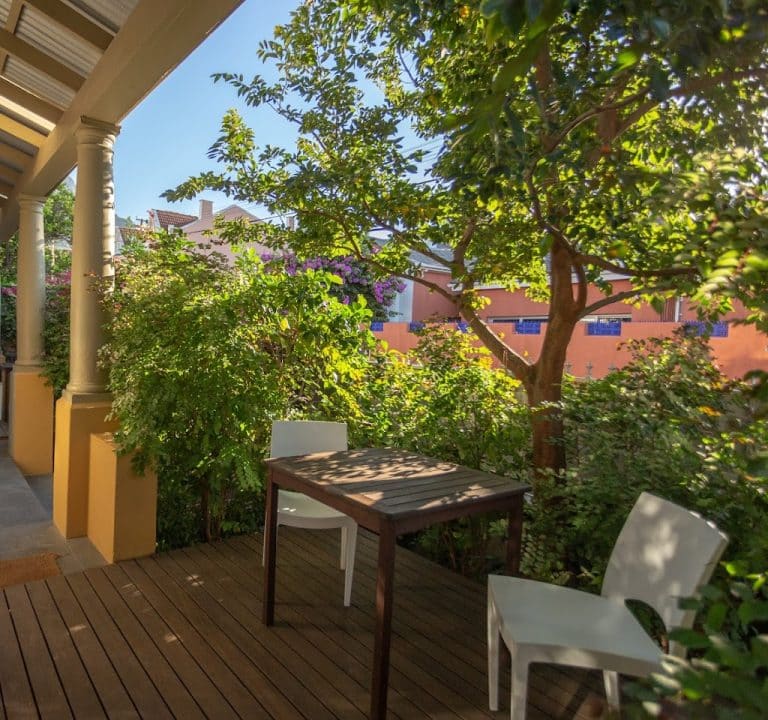
Situated in the vibrant Dunkley Square of Cape Town, iKhaya Lodge and Conference Centre presents a refined blend of modern African elegance and authentic hospitality. The property functions both as a boutique lodge and a versatile conference venue, inviting guests to experience a curated stay that pairs comfort with cultural charm in an urban setting.
Accommodations are described as thoughtfully designed retreats that offer a cosy yet welcoming atmosphere. The rooms are noted for their local character, with vibrant African-inspired decor that reflects the region’s heritage. Guests can choose from intimate singles or more spacious family suites, each equipped with essential conveniences such as complimentary Wi‑Fi, flat-screen televisions, and en-suite bathrooms. The emphasis is on a home-from-home feel, welcoming travellers whether they are visiting for business, leisure, or a longer stay in the city.
The on-site conferencing facilities are positioned as a dynamic space for both intimate gatherings and larger meetings. The conference centre is designed to support creativity and collaboration, offering modern amenities and adaptable spaces that can be customised to suit specific event requirements. This makes iKhaya Lodge and Conference Centre appealing to corporate clients, workshop organisers, and groups seeking a productive yet culturally resonant venue in the heart of Cape Town.
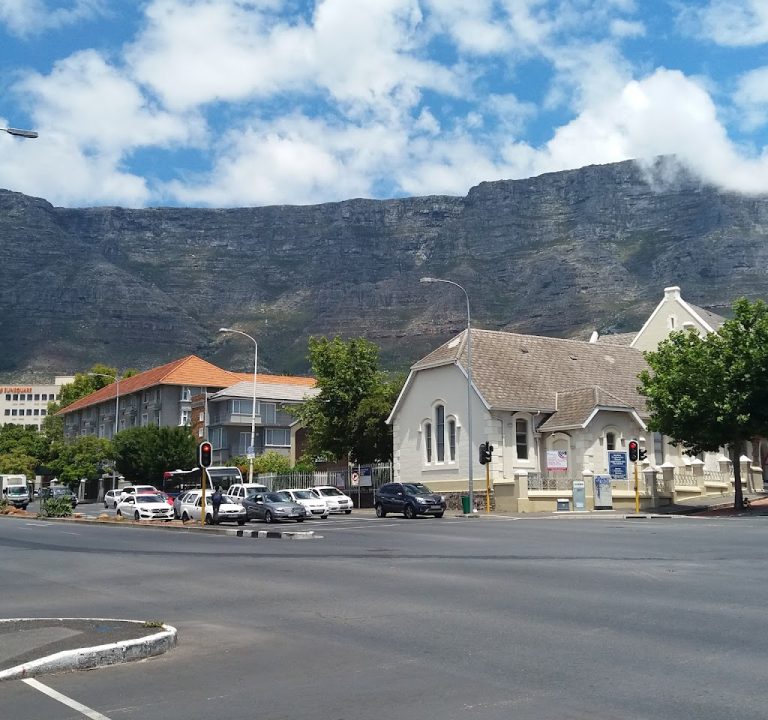
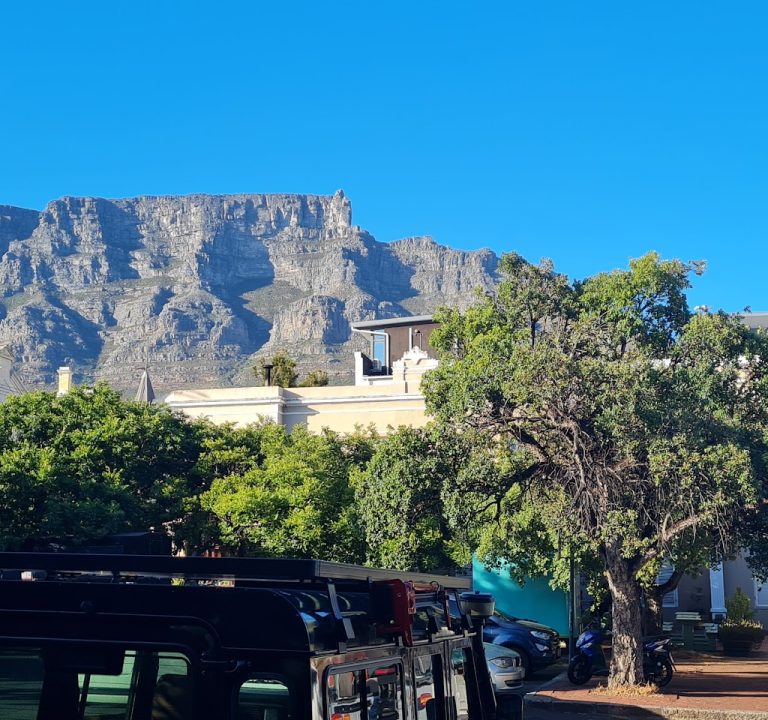
Beyond the rooms and meeting spaces, the lodge highlights its location as a gateway to Cape Town’s urban and natural attractions. The setting offers views of the iconic Table Mountain, with the mountain often described as a spectacular backdrop during sunrise or sunset. Guests are encouraged to explore the city’s sights from a base that combines convenient urban access with a sense of place rooted in the region’s heritage and warmth.
In terms of guest experience, the property is presented as a place where African warmth and care are central to the stay. The combination of a charming atmosphere, modern facilities, and an emphasis on hospitality creates a distinct sense of hospitality that is approachable for all visitors—whether seeking a restful break, a productive business trip, or a venue for a memorable conference or event.
For prospective guests seeking practical guidance, key considerations include:
- Location in Dunkley Square, Cape Town, offering easy access to central attractions and business districts.
- Accommodation options featuring intimate singles and family suites with essential in-room amenities.
- A dedicated conferencing centre designed to support a range of event sizes with adaptable spaces.
- Views of Table Mountain as part of the surrounding cityscape experience.
Potential guests can explore further information on the property’s related pages for rooms, activities, and the conference offering through the linked sections on the official site. The overall impression is that iKhaya Lodge and Conference Centre provides a stylish, hospitable base for travellers seeking genuine Cape Town hospitality with convenient access to both urban conveniences and iconic local highlights.
Cape Town
Western Cape
8001
South Africa


Planning a Cape Town Stay: Where to base yourself, what to book, and how to make the most of the city
Cape Town, in the Western Cape of South Africa, offers a diverse mix of neighbourhoods, dramatic scenery, and a vibrant dining and cultural scene. When planning a stay, many travellers begin by choosing a location that suits their interests and pace—whether they want easy access to beaches, mountain hikes, historic neighbourhoods, or a lively city centre. Accommodation here ranges from boutique hotels and stylish guesthouses to modern lodges and self‑catering apartments, so you can tailor your stay to your budget and travel style.
Key areas to consider include the City Bowl and central Cape Town, which provide proximity to dining, museums, and nightlife, as well as spectacular views of Table Mountain. The Atlantic Seaboard—encompassing neighbourhoods along the coast near the Camps Bay and Clifton beaches—offers sun, sea, and a cosmopolitan atmosphere, with many hotels and guesthouses that prioritise comfort and style. For a quieter, leafy retreat with easy access to wine regions and gardens, Constantia and the southern suburbs are ideal. Bo‑Kaap adds colour and culture close to the city’s heart, while Green Point and De Waterkant are popular for convenient transport links and a walkable waterfront scene.
When booking, look for travel essentials such as secure access, reliable Wi‑Fi, and clear information about cancellation policies. Many Cape Town properties highlight sustainability and community engagement, which can be meaningful as you plan a responsible stay. If you prefer a more intimate experience, boutique hotels and guesthouses in the Dunkley Square area, close to the centre, commonly balance character with modern comforts. A well‑located base can dramatically cut transit time and increase your chances of catching sunrise or sunset views from Table Mountain or the city’s hills.
Typical amenities to expect include en‑suite bathrooms, air‑conditioning or heating for variable Cape Town weather, daily housekeeping, and convenient breakfast options or on‑site cafés. Some properties offer secure parking, a small gym or wellness space, and serene terraces or balconies with views. If you rely on mobile connectivity, check that the property provides strong Wi‑Fi throughout common areas and rooms. For business trips or conferences, you may value a dedicated meeting room or business services; some venues advertise conferencing spaces with natural light and easy access to the city’s major hubs.
Getting around Cape Town is relatively straightforward, though planning helps. The MyCiTi bus system serves many routes across the metropolitan area, while rideshare options are plentiful in the city centre and popular tourist zones. If you prefer driving, a car rental can offer flexibility for day trips to the Cape Winelands, Cape Point, or Cape Peninsula scenic passes; many hotels provide parking or partner with nearby garages. For those who wish to walk, the central areas are compact enough to explore on foot, with hills and viewpoints that reward the curious traveler. Arranging transfers from the airport in advance can simplify the first day and help you settle in without delay.
Best time to visit Cape Town depends on what you want from your trip. The city experiences a temperate climate with warm, dry summers (roughly November to March) and cooler, wetter winters (June to August). Peak sunshine and sea swimming are most reliable in the summer months, while spring and autumn bring milder temperatures and fewer crowds. Wildlife encounters and garden strolls are particularly rewarding in late winter or early spring when flowers and fynbos are in bloom. For wine lovers, day trips to nearby Constantia, Stellenbosch, or Franschhoek are pleasant most of the year, but many visitors aim for late summer to enjoy harvest season and a lively dining scene.
Practical tips to help you plan a smoother stay:
- Balance your days: mix city highlights with nature experiences such as Table Mountain cable car rides, coastal walks, or Botanic Garden strolls.
- Book in advance for popular weekends, especially around holidays, to secure preferred neighbourhoods and breakfast options.
- Check access to outdoor attractions in windy or rainy conditions, and have a flexible plan for mountain or coastal activities.
- Pack layers, sun protection, and good walking shoes; Cape Town mornings can be cool and evenings chilly.
- Consider a base with easy access to transport links if you plan day trips or want to avoid peak traffic.
In terms of accommodation, you may find value in boutique hotels or boutique guesthouses that combine comfort with local character. For example, boutique properties in central or nearby neighbourhoods can offer stylish rooms, welcoming service, and convenient access to dining and nightlife, while still acting as a peaceful retreat after a day of exploring.
When selecting restaurants and experiences, seek places that reflect the city’s diverse culinary scene—ranging from informal coastal eateries to refined dining rooms offering modern South African flavours. Look for venues that source ingredients locally and provide a relaxed, hospitable atmosphere. For attractions, plan a mix of top sights and hidden gems, keeping in mind that some experiences may be more seasonal or weather‑dependent. Cape Town rewards curious travellers who blend planning with spontaneity, allowing you to discover unforgettable vistas, friendly neighbourhoods, and delicious meals along the way.
If you would like to explore a boutique stay in the heart of the city, you can learn more about iKhaya Lodge and its locality through its official site, which highlights its central position and access to nearby amenities and attractions. For further information on Cape Town accommodation and planning, visiting official tourism sites and reputable travel guides can help tailor your itinerary to your interests. More ideas and practical planning tips can be found online, where many properties offer direct booking options and guest support.
Sorry, no records were found. Please adjust your search criteria and try again.
Sorry, unable to load the Maps API.
Why Claim Your Listing?
Claiming your listing on the B&B Finder directory website is a valuable opportunity for business owners. Here are five reasons why you should consider claiming your listings:
Control Over Business Information: By claiming their listing, business owners can ensure that all the information presented is accurate and up-to-date. This includes details such as contact information, address, pricing, and available services or amenities. Accurate information helps prevent customer confusion and improves overall satisfaction.
Enhance the Listing: Once a listing is claimed, owners can enhance it by adding more comprehensive information and rich media, like high-quality photos and videos. These additions can make the listing more attractive and engaging to potential customers, thereby increasing the likelihood of bookings.
Marketing Opportunities: Claiming a listing can also open up additional marketing opportunities. Owners may be able to participate in promotional campaigns, special offers, and other marketing activities organized by the directory. This can increase visibility and attract more customers to the business.