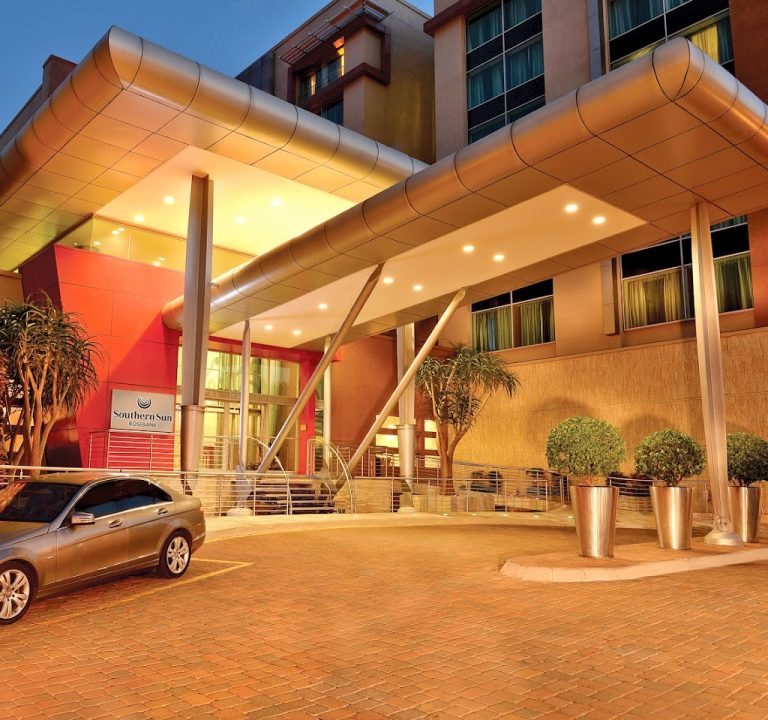
Johannesburg: Accommodation, neighbourhoods and planning your stay
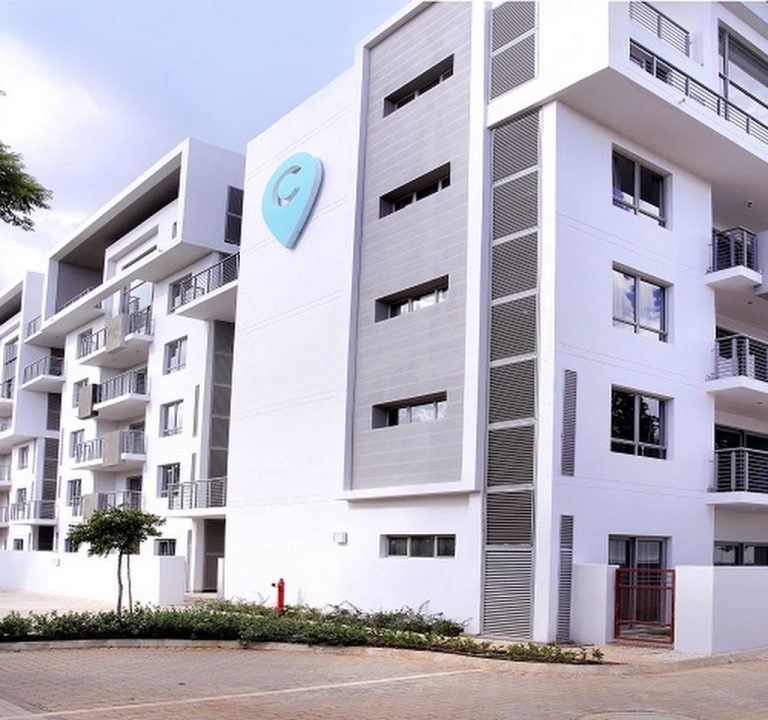
Johannesburg, or Jo’burg as many locals call it, is a dynamic gateway to South Africa’s heritage, culture and outdoors. When planning a stay, a few essentials help you balance comfort, location and value. The city offers a range of serviced apartments, boutique guesthouses, hotels and lodge-style options that suit business travellers, families and solo explorers alike. The Capital On Bath is one example of a serviced option in central Johannesburg, providing convenient access to business districts, transport links and cultural sights. See the property’s website for details on routes, setup and services that may suit your itinerary: The Capital On Bath.
Choosing where to stay largely comes down to what you want to do and how you prefer to travel around. Gauteng’s urban core is well served by a mix of upmarket residential pockets, cultural districts and commercial hubs. If you value easy access to shopping and dining, you might favour a neighbourhood with walkable streets, a handful of reputable eateries and reliable transport options. For a more relaxed stay, consider lodges or extended-stay properties on the city’s northern edges or leafy inner-suburbs where there are parks, cafés and a slower pace.
What to look for when booking
- Proximity to transport hubs (Gautrain stations, main roads, or bus routes) to minimise daily commutes.
- Security features and access controls, especially in central or busy districts.
- Clear details on housekeeping, laundry and on-site services, including reception hours and convenience shops.
- Kitchen facilities or on-site dining options if you plan to self-cater or entertain.
- Flexible cancellation policies and transparent pricing to avoid surprises.
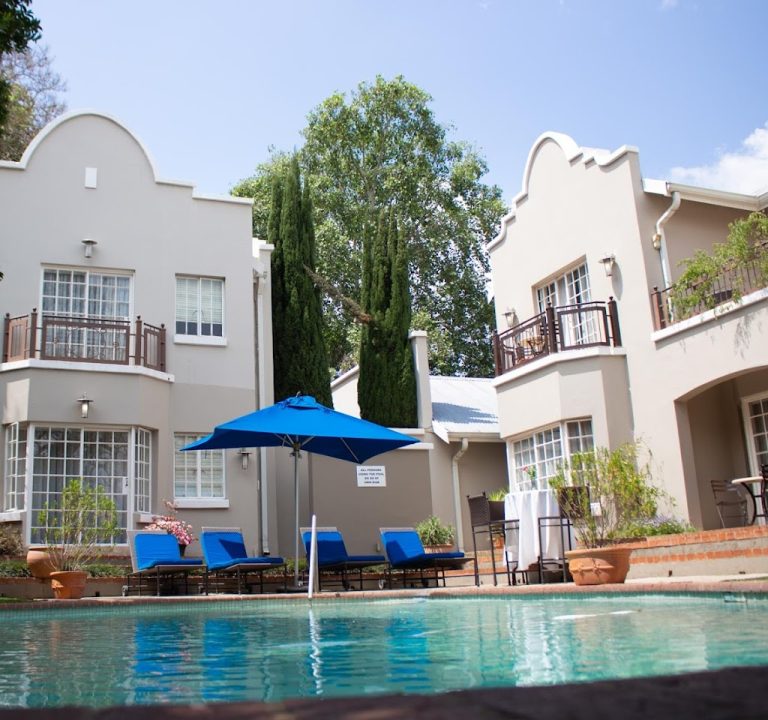
Typical amenities you may encounter include high‑speed Wi‑Fi, air conditioning or heating, comfortable bedding and private bathrooms, some with bathtubs or rainfall showers. Serviced apartments often provide fully equipped kitchens, in-room safes and organised housekeeping at set intervals. For guests seeking a social atmosphere, boutique hotels and certain lodges may offer lounges, on-site bars or breakfast services. If you’re travelling with family or a group, look for multi‑bedroom arrangements or sofa beds and, where possible, access to communal spaces such as courtyards or balconies.
Transport and getting around
Johannesburg is spread out, so planning transport ahead can save time. The city has a reliable rail link known as the Gautrain between Sandton, Pretoria and Johannesburg airport, which is practical for long-distance travellers or those heading to business districts. Within the metro, you’ll find ride‑hailing apps and select taxi services commonly used by locals. Many hotels and serviced apartments arrange airport transfers or offer guidance on safe travel routes. If you are staying in a central precinct, you may be able to walk to restaurants, markets and galleries, but for larger venues or day trips, having a plan for a short drive or ride-share is helpful.
Best time to visit and seasonal tips
Johannesburg enjoys a temperate climate with winter evenings that can be cool and summer days that may bring short afternoon showers. Spring and autumn (roughly September to November and March to May) are often pleasant for walking and sightseeing, with moderate temperatures and fewer crowds than peak holiday periods. Summer offers longer daylight hours, which is ideal for outdoor markets, parks and street art tours, but it can bring sudden showers. If you are visiting for cultural events, keep an eye on city calendars for exhibitions, theatre performances and markets that showcase local creativity.
Planning an stay: what to do and where to eat
Johannesburg blends museums, galleries and vibrant street life with parks and viewpoints. In central areas you’ll find museums and historic sites that tell the country’s story, paired with modern eateries and casual cafés. For a relaxed day, consider a stroll through neighbourhoods known for their architecture, markets and creative spaces. Dining ranges from refined restaurant venues to casual bistros and street‑level eateries with a cosmopolitan vibe. When choosing places to visit, consider both the signature sights and the neighbourhoods that offer a sense of local life and everyday energy.
Practical tips to maximise your stay
- Plan your days to group nearby attractions and dining options, reducing unnecessary travel time.
- Pack adaptable clothing for a range of temperatures and occasional showers.
- Carry a small map or offline route guide, especially for areas with limited mobile signal in some districts.
- Respect local customs and be mindful of traffic and peak‑hour congestion when planning your timetable.
- Check opening times for attractions and markets, as many places run seasonal or weekend schedules.
For accommodation decisions, balance location with your priorities: a stay near the central business and cultural districts can help reduce commute times if you plan to explore museums, markets and street art by day, and enjoy a selection of nearby eateries by night. If you prefer a quieter base with easy access to parks and leafy streets, look toward residential pockets that still offer straightforward routes to central Jo’burg sights.
In summary, Johannesburg offers a spectrum of stays that cater to different rhythms of travel. Whether you choose a serviced apartment like The Capital On Bath for a home‑from‑home experience, or a boutique hotel in a lively precinct to soak up the city’s energy, thoughtful planning on where to stay, how you travel and what you plan to do will help you unlock the city’s rich urban tapestry while keeping logistics simple and enjoyable.