Accommodation and experiences in Cape Town, Western Cape
Cape Town offers a richly diverse range of places to stay, from stylish city apartments to secluded seaside retreats and rustic guesthouses tucked into leafy neighbourhoods. When planning a visit, think about access to transport, the pace you want, and how long you plan to linger in different parts of the city. A well-chosen base will help you make the most of this vibrant region, whether you are after a coastal breeze, mountain views, or quick access to attractions.
Areas to consider for your stay include:
- Atlantic Seaboard – areas such as Green Point, Bantry Bay, and Camps Bay offer dramatic sea views, easy access to beaches, and a cosmopolitan dining scene. They are ideal for travellers who want a stylish base within a short ride of the city centre.
- City Bowl and the central fringe – convenient for museum culture, nightlife, and offices. Good for visitors who prefer a walkable neighbourhood with plenty of cafes and eateries nearby.
- V&A Waterfront and Granger Bay – excellent for those who prioritise access to ferries, harbour sights, and a compact, walkable area with several dining options.
- Kirstenbosch and Constantia Valley – perfect for travellers seeking a peaceful stay surrounded by vineyards, nature trails, and a cooler climate, with easy day trips to the Winelands.
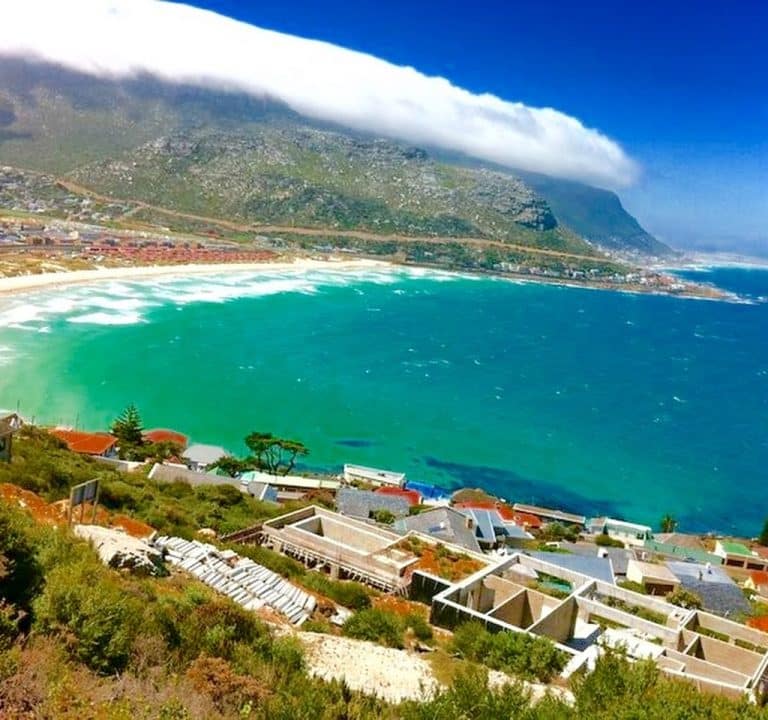
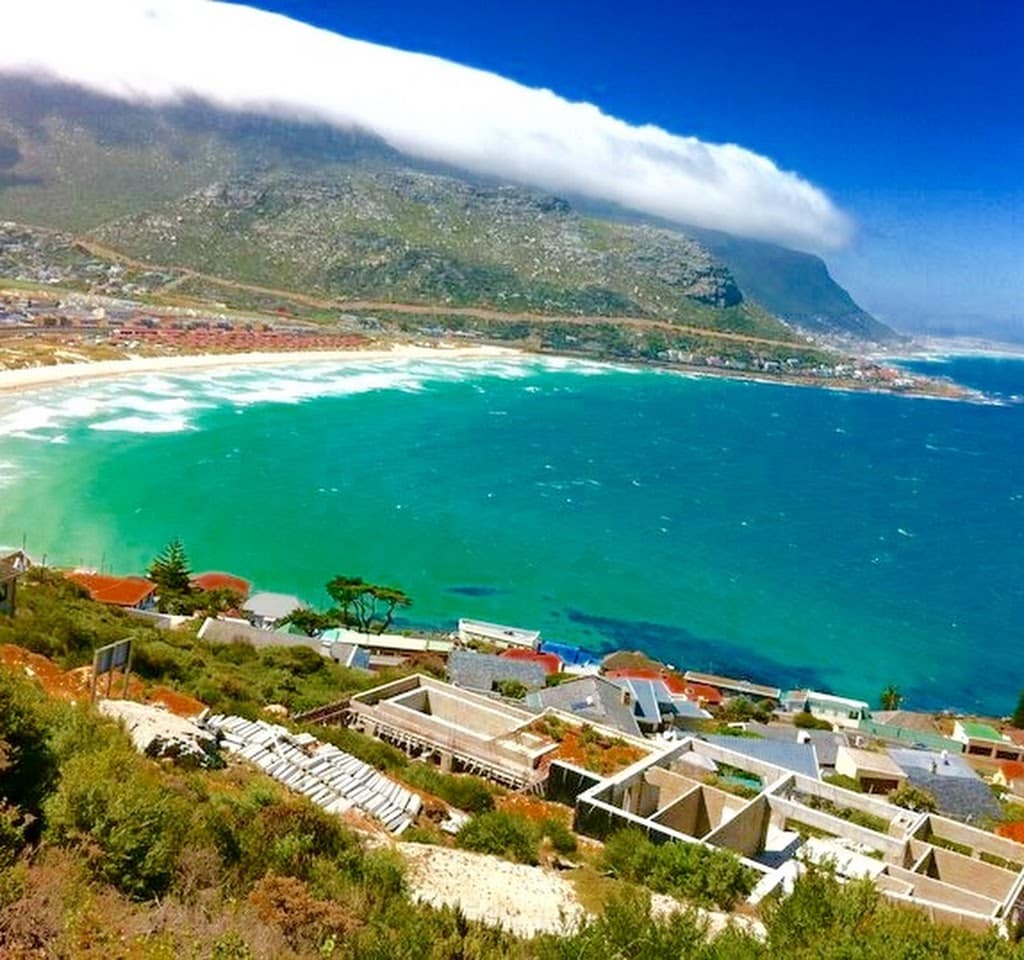
- Southern Suburbs and Llandudno to Muizenberg – offer a calmer, more residential mood with beach access and starting points for scenic drives, including Chapman’s Peak.
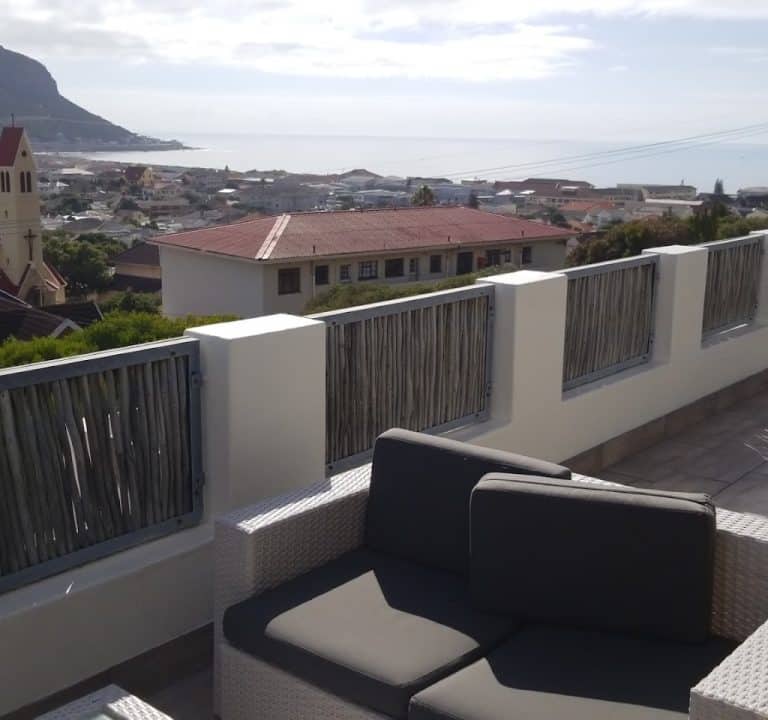
When booking accommodation, look for several practical features. Ensure there is reliable access to public transport or convenient parking if you are exploring by car. Check light-filled living spaces, well-equipped kitchens or kitchenettes, secure entry, and clear housekeeping arrangements. If you are travelling with family or a group, consider homes with flexible sleeping arrangements and separate living areas. For a seaside stay, a property with sturdy housekeeping, water views, and outdoor spaces can be particularly appealing.
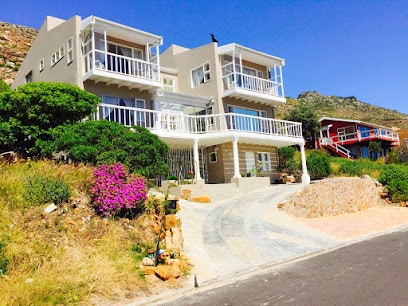
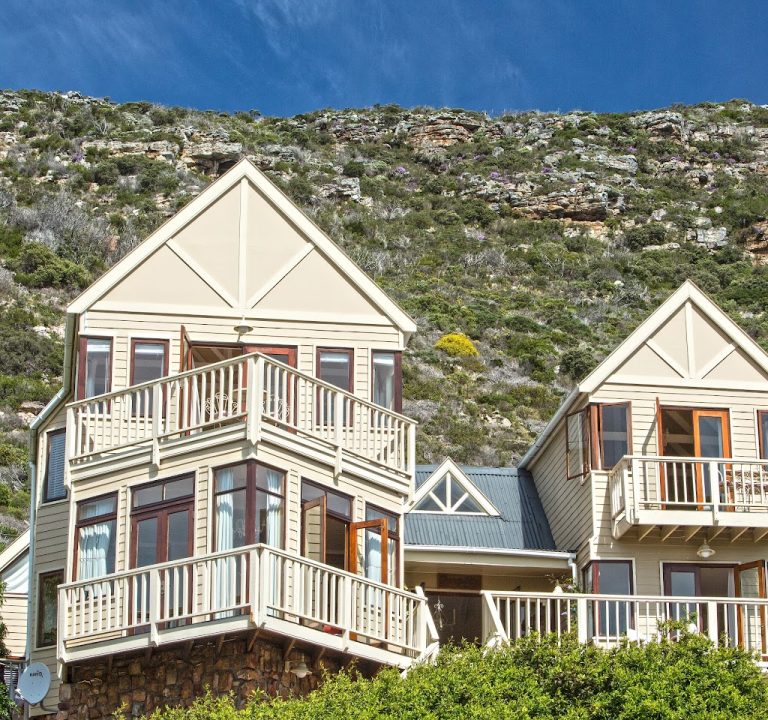
Typical amenities to expect include comfortable beds with quality linens, fast Wi‑Fi, climate control or fans for hot summer days, well-equipped kitchens, and good daily housekeeping. Properties with secure access, on-site parking, and thoughtful touches such as localisation-friendly information packs, maps, or guest guides can make a big difference to your stay. If you are staying in a holiday apartment such as the Cape Siesta Beach house, you may enjoy the convenience of home-from-home facilities alongside the flexibility to explore the area at your own pace. For details, you can visit the property's official site at Cape Siesta Beach house.
Transport in Cape Town ranges from car-based exploration to efficient public options. The MyCiTi bus network covers many tourist-friendly routes, including routes to and from the city centre, the Atlantic Seaboard, and the southern suburbs. The city’s taxi and rideshare services are widely available, though peak times can experience delays. If you plan to drive along the coast or into the winelands, a car offers the greatest flexibility, especially for early morning excursions to Table Mountain or coastal drives along Chapman’s Peak. For short city hops, walking is pleasant in many neighbourhoods, and cycling can be a good option in routes that pass along the promenade or through green spaces.
The best time to visit Cape Town depends on what you want from your trip. The summer months (roughly November to February) bring long days, dry weather, and vibrant outdoor life, ideal for beaches and mountain escapades. Shoulder seasons, in spring and autumn, offer milder temperatures and fewer crowds, with excellent opportunities for hiking and exploring vineyards. Winter (June to August) brings cooler weather and occasional rain, but the city’s indoor attractions—museums, galleries, markets, and excellent dining—remain inviting. Always check local forecasts and plan outdoor activities for mornings when the sea breeze can be more predictable in the afternoons.
Attractions and experiences in Cape Town are plentiful and varied. Popular natural highlights include iconic viewpoints from the mountains surrounding the city, a trip up Table Mountain (weather permitting) for sweeping views, and coastal drives along the Atlantic coast. Seafaring and harbour experiences sit alongside cultural sights in the city centre, including historic neighbourhoods and colourful markets. For wildlife enthusiasts, nearby attractions offer penguin colonies, marine reserves, and scenic coastal paths. For those who enjoy a culinary scene, Cape Town’s restaurants span from chic, contemporary dining to casual, heritage-inspired eateries, with markets that celebrate local produce and crafts. In addition, day trips to nearby attractions such as the Cape Winelands, Cape Point, and Atlantic coast scenery provide a fuller sense of Western Cape life.
Practical tips to help you plan your stay:
- Book accommodation with clear cancellation terms and a well-documented guide to local amenities and transport options.
- Consider proximity to a MyCiTi bus stop or a tram/metro link if you prefer not to hire a car every day.
- Pack layers for variable weather—mornings can be cool, with warmer afternoons near the coast.
- Budget extra time for coastal drives and mountain viewpoints, which can be popular and congested at peak times.
- Respect local safety guidance, especially in crowded areas and on popular beaches.
Whether you want a stylish apartment by the sea, a cosy guesthouse tucked into a quiet street, or a modern flat in a bustling neighbourhood, Cape Town offers hospitality that suits a wide range of tastes. By balancing area, amenities, transport, and seasonal planning, you can craft aMemorable stay that makes the most of this remarkable destination.