Cape Town: Accommodation, attractions and planning your stay
Cape Town offers a remarkable mix of scenery, culture and cuisine, making it a standout destination for travellers seeking both relaxation and adventure. When booking accommodation, consider the variety of neighbourhoods that shape the character of a stay—from the city’s urban buzz to coastal calm and hillside vistas. A well-chosen base can cut travel time, enhance experiences and help you feel connected to the rhythms of the Western Cape.
Neighbourhoods to weigh up include the City Bowl for convenience and dining options, the V&A Waterfront for a maritime vibe and easy access to tours, and the Atlantic Seaboard (including Camps Bay and Bantry Bay) for dramatic scenery, sunsets and beach time. If you favour leafy tranquillity and grand views, Constantia or the Johannesburg Ridge area offer easy access to wine routes and nature trails. For a more affordable, family-friendly stay with a laid-back atmosphere, neighbourhoods like Green Point, Sea Point or Muizenberg deliver a good mix of self-catering and guesthouse options and are well connected to public transport.
Self-catering accommodation, such as stylish apartments and cottages, is particularly popular in Cape Town. These options provide flexibility for meal planning, early starts to catch the scenery, and a comfortable home-from-home feel after days out. When booking, look for features that suit your itinerary: secure parking if you plan to hire a car, a well-equipped kitchen, reliable Wi‑Fi, and natural light or outdoor space. If you’re travelling with family or a group, multi-bedroom units with a living area and a balcony can make a big difference to comfort and convenience. One example to consider is a self-catering option named Robyns Nest, which typifies the appeal of a well-located residential-style stay with practical amenities for longer visits.
Transport in Cape Town is varied. The MyCiTi bus network provides city transport and links to major sights, while Uber and other ride-hailing services are widely used for convenience and safety, especially in the evenings. If you plan day trips along the coast or to wine estates, renting a car offers flexibility, though many attractions and beaches are reachable by public transport or organised tours. When staying near the V&A Waterfront or the City Bowl, walking and short rides are feasible, but plan for hillside paths and stairs if you want superb views.
Best time to visit Cape Town hinges on what you want from the trip. The summer months (roughly September to March) are warm and sunny, ideal for beaches, outdoor markets and scenic hikes. Spring (August to October) brings bloom-filled landscapes and pleasant conditions for exploring Kirstenbosch and the surrounding wine routes. Autumn (April and May) can be quieter, with milder weather and fewer crowds. Winter (June to August) is cooler and wetter, but offers lower prices and a different side of the city’s dining scene. Pack layers, sunscreen and a light rain jacket, and be prepared for rapid weather changes, especially around Table Mountain and the Cape Peninsula.
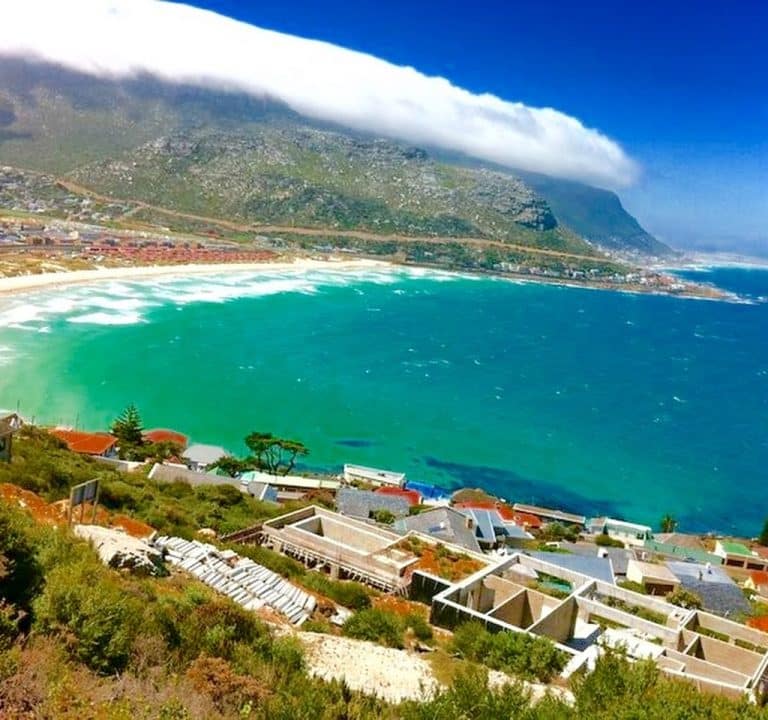
Top activities and attractions span natural beauty, culture and coastal life. A cable-car ride up Table Mountain is a flagship experience, offering panoramic views of the city and coastline. The Cape Peninsula drive reveals dramatic cliffs, penguin colonies at Boulders Beach and open-sea vistas at Chapman’s Peak. Kirstenbosch National Botanical Garden showcases Cape flora in a landscaped setting, while the Constantia wine valley invites tours and tastings within a short drive of the city. The V&A Waterfront combines shopping, harbour ambience and access to boat trips, while Robben Island provides a sobering glimpse into South Africa’s past through guided tours. For families and active travellers, beaches such as Muizenberg offer gentle waves for surfers and coastal walks with colour-filled backdrops.
When it comes to dining, Cape Town presents a thriving scene that ranges from seafood shacks by the coast to contemporary bistros and casual eateries in city streets. Look for places that reflect the city’s diverse flavours—boroughs with vibrant markets, cafés with ocean views, and restaurants that celebrate seasonal produce. Many eateries offer wine pairings or tasting menus to complement local ingredients, and some venues provide terraces or rooftops where you can enjoy sunset panoramas with your meal. Booking ahead for popular spots, especially during peak seasons, helps ensure you have a spot at your preferred times.
Practical planning tips to consider before you travel:
- Choose a base with easy access to your planned activities, whether you wish to chase sunrise views, hike mountains, or explore dining and markets.
- Check what’s included in the accommodation—kitchen equipment, laundry facilities, heating or air conditioning, and safety features.
- Pack adaptable clothing for changing weather, particularly if you plan outdoor adventures around the peninsula.
- Allow time for flexible days—Cape Town’s scenery rewards slower days with spontaneous coastlines and cafés.
- Be mindful of safety in unfamiliar areas and keep valuables secure, especially in busy tourist districts and crowded markets.
- Explore sustainable options where possible, such as staying in parts of town that support local businesses and eco-friendly initiatives.
Whether you opt for a self-catering apartment in a central neighbourhood or a cosy guesthouse tucked into a hillside, Cape Town rewards thoughtful planning with a blend of beaches, mountains, culture and cuisine. By choosing a well-placed base, you can tailor a stay that balances relaxation with exploration, turning a visit to the Western Cape into a memorable Cape Town experience.