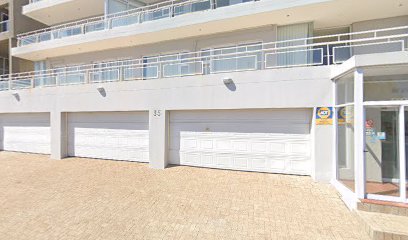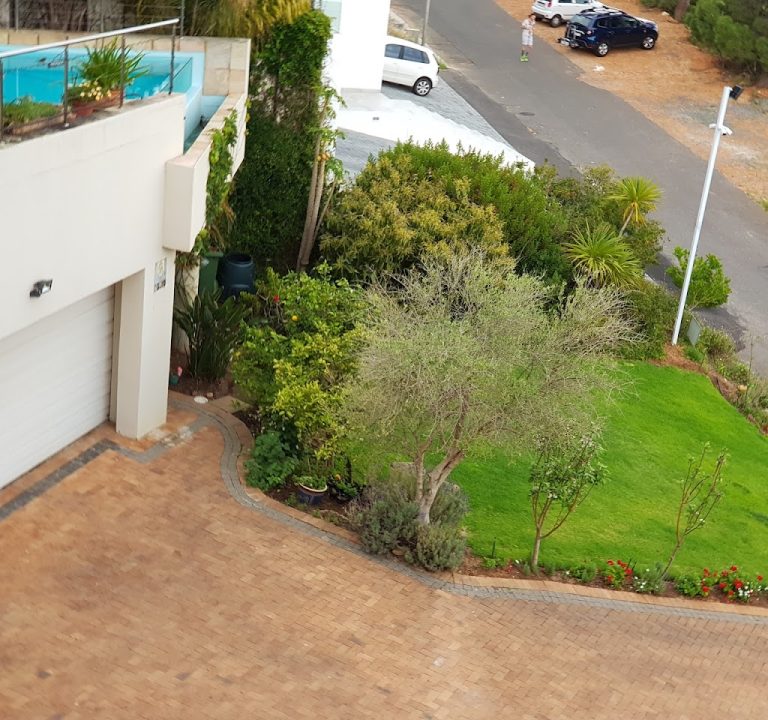
The Blue Marine Luxury Self Catering Apartments is a Self-catering accommodation establishment in Cape Town, Western Cape, South Africa
The Blue Marine Luxury Self Catering Apartments – An Ocean-Facing base in Gordon’s Bay, Western Cape
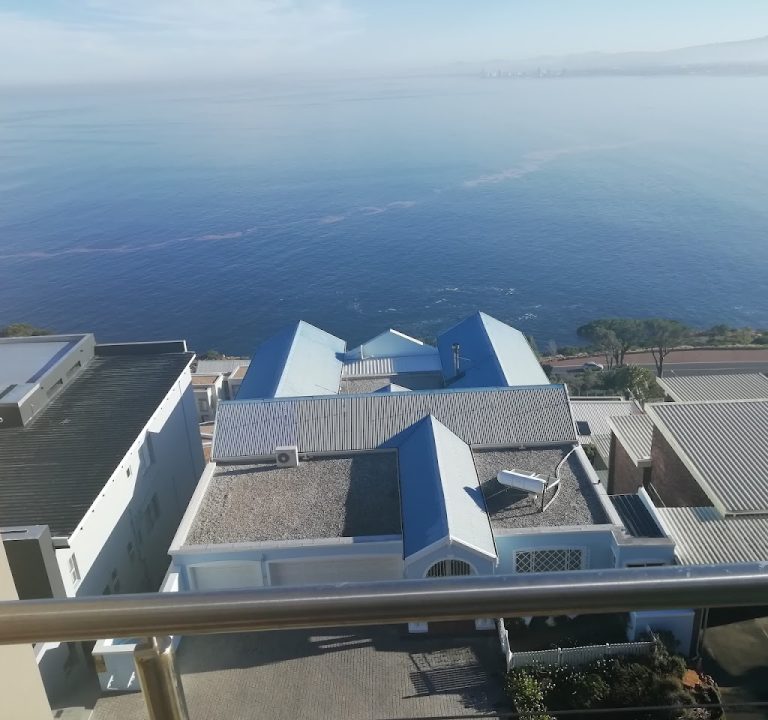
The Blue Marine Luxury Self Catering Apartments occupy a commanding position in Gordon’s Bay, offering an ideal base for travellers seeking a blend of coastal scenery and convenient access to the wider Cape Town region. Described as a versatile option for holidays, leisure, business travel, or relocations, these apartments are presented as a thoughtfully designed home away from home. The setting is spotlighted by expansive harbour and sea views, with the option to step outside onto a furnished patio or dine al fresco at a BBQ area, making the most of Cape Town’s temperate climate.
Accommodation at The Blue Marine is characterised by self-catering practicality paired with attention to comfort and style. Each unit features a fully equipped kitchen, enabling guests to prepare meals with ease, and practical housekeeping amenities such as a dishwasher and a washing machine. The provision of high quality linen and towels contributes to a sense of relaxation and convenience, while secure parking ensures peace of mind for guests arriving by car. The emphasis on security and a lock-up parking space aligns with the needs of travellers who value both comfort and accessibility during their stay.
The on-site experience centres on a simple, high-standard stay rather than a bespoke hotel arrangement. The property highlights its panoramic, 180-degree sea views as a defining feature, complemented by a private outdoor space where guests can unwind and soak in the coastal ambience. The combination of sea air, natural light, and well-appointed interior spaces has made The Blue Marine a preferred choice for visitors looking to combine restful accommodation with easy access to outdoor activities and local attractions.
Location-wise, Gordon’s Bay provides a practical hub from which to explore the Western Cape’s varied offerings. The Blue Marine positions guests within reach of notable routes and landmarks, including whale-watching opportunities along the coast, renowned wine routes nearby, and the broader Cape Town itinerary. While the property is described in terms of easy access to iconic experiences—such as Table Mountain, Robben Island and Kirstenbosch Botanical Gardens—the emphasis remains on what guests can enjoy during a stay within a comfortable, self-contained environment rather than a guided-tour experience. The proximity to golf courses is also highlighted as an appealing feature for those who combine sport with a coastal escape.
Who is The Blue Marine best suited for? The property is framed as suitable for a range of travellers: holidaymakers seeking a seaside retreat, professionals on business trips who require home comforts, or individuals and families planning relocations where a longer-term, self-contained stay is desirable. The emphasis on privacy, security and practical amenities suggests a keen appeal to guests who prioritise independence, comfort, and a scenic setting without the formality of a traditional hotel.
Nearby highlights are less about fixed itineraries and more about convenient access to the area’s coastal charm and easy day-trips. Guests staying at The Blue Marine can expect a balance of restful downtime with opportunities to explore local beaches, water-based activities, and the maritime atmosphere that characterises Gordon’s Bay. For those drawn to broader explorations, the Western Cape’s renowned culinary scenes, wine experiences, and natural landscapes lie within comfortable reach, offering a satisfying mix of relaxation and discovery without the need for elaborate planning.
Booking and travel tips for prospective guests:
- Direct booking is suggested as a straightforward option, with online avenues available for arranging stays and confirming availability.
- The property promotes a self-catering model, so travellers who enjoy cooking and the flexibility of apartment living may find the arrangements especially convenient.
- Consider planning around coastal weather patterns to maximise outdoor time on the furnished patio and BBQ area.
- Secure parking is a feature worth noting for guests arriving by car, providing ease of access to the apartment and nearby amenities.
- While the broader Cape Town region is accessible for day trips, the immediate focus remains on a restful, sea-forward retreat with the option to explore further afield as desired.
For those seeking a light-touch, self-contained stay that emphasises comfort, security, and coastal views, The Blue Marine Luxury Self Catering Apartments offers a resilient, low-fuss option in Gordon’s Bay. The combination of sea vistas, practical amenities, and a convenient Western Cape location makes it a dependable choice for travellers who value a well-equipped home base from which to experience the Cape’s acclaimed scenery and attractions.
Cape Town
Western Cape
7151
South Africa


Cape Town: Accommodation Planning, Areas to Consider, and Must-See Experiences
Cape Town, set against a dramatic backdrop of mountains and sea, offers a wide range of stays from stylish self‑catering apartments to intimate guesthouses and luxury hotels. When planning a visit, think about what you want from your base: the pace of the neighbourhood, proximity to sights, and how you prefer to travel around. Whether you choose a sleek apartment with sea views or a cosy guesthouse tucked into a hillside, a well-chosen base can elevate your whole stay in the Western Cape.
Options vary by area, each with its own character. The City Bowl and Green Point put you near iconic urban sights, museums and the V&A Waterfront, with easy access to public transport and a lively restaurant scene. The Atlantic Seaboard, including Camps Bay and Sea Point, delivers sweeping ocean panoramas, long beaches, and stylish dining, often with a more relaxed, resort‑like atmosphere. Constantia and the nearby Winelands offer verdant scenery, vineyard dining, and quieter streets, ideal for travellers seeking tranquillity and day trips. For a more bohemian vibe and excellent access to redevelopment and markets, areas such as Woodstock and Observatory provide characterful stays and a short hop to the city centre. If a family or longer break is on the cards, consider properties in the southern suburbs or near the southern beaches, where you can combine beach days with easy drives to Cape Town’s natural and cultural highlights.
When booking, look for clear, detailed descriptions of the property, including:
- Type of accommodation (self‑catering, B&B, or hotel‑style) and size of the space
- Kitchen facilities, laundry, and safety features
- Access to private or secure parking and ground floor versus stairs
- Balcony, garden, or outdoor spaces for fresh air and sightseeing
- Wi‑Fi reliability, noise levels, and air conditioning or heating options
- On‑site amenities such as a pool, BBQ facilities, or gym
Typical amenities often reflect Cape Town’s outdoor lifestyle: fully equipped kitchens for self‑catering stays, quality linen and towels, secure parking, and well‑located communal spaces such as patios or terraces with impressive views. In coastal pockets, expect sea views and easy access to beaches; in the city, convenient proximity to markets, cafés, and nightlife. For those staying in self‑catering apartments, a dishwasher and washing machine are common, making longer trips more convenient.
Transport is a key planning consideration. Cape Town’s MyCiTi bus network and Uber provide convenient city travel, though some suburbs are easier to navigate with a car. If you plan day trips to the Cape Winelands, the Cape Peninsula, or Robben Island, consider a property with straightforward access to major routes or a reputation for easy taxi or transfer options. For visitors staying near the Atlantic Seaboard, coastal footpaths and scenic drives are a feature, but traffic during peak times can be heavy in popular months. A car gives flexibility for exploring the wine routes, Table Mountain excursions, and coastal towns beyond the immediate city limits.
Best time to visit Cape Town depends on what you want from the trip. Spring (August to October) brings blooming gardens and milder weather, while summer (December to February) offers long days and vibrant outdoor life. Autumn can be pleasantly temperate, and winter (June to August) is cooler and quieter, with occasional rain but fewer crowds at major sights. Coastal conditions shift with the seasons, so plan beach days or high‑altitude hikes accordingly.
For those seeking a balanced itinerary, consider pairing your stay with a mix of guided explorations and independent days. Cape Town offers a treasure trove of experiences without placing you under pressure to rush between highlights. You can arrange a scenic cable‑car ascent or a harbour cruise, then spend a leisurely afternoon wandering markets, galleries, and seaside promenades. Local restaurants range from casual eateries serving freshly caught seafood to refined venues showcasing modern South African cuisine. Many places emphasise seasonal ingredients, regional wines, and relaxed atmospheres, making it easy to enjoy memorable meals without the need for formal planning each day.
Practical tips to help you make the most of your stay:
- Book accommodation with flexible policies when possible, especially if your plans might shift with weather or events.
- Choose a base with easy access to public transport or convenient parking to reduce daily travel stress.
- Check for clear information about safety features and neighbourhood lighting, particularly if staying in busier urban areas at night.
- Look for properties offering local insights or hosts who can suggest off‑the‑beaten‑path experiences, markets, and lunch spots.
- Consider an initial orientation day: a short walk in the neighbourhood to locate supermarkets, cafés, and transport links.
As an example of the region’s accommodation variety, there are self‑catering options that emphasise views and privacy, often marketed as a home‑from‑home experience. Such stays can be ideal for travellers who value independence while still enjoying thoughtful touches and proximity to the Cape’s outdoor attractions. For those seeking direct online information and a straightforward booking process, look up properties with clear descriptions and verified guest feedback. A visit to a dedicated accommodation site can provide an overview of available spaces, plus practical details to help you plan a stay that suits your tempo and budget.
When you are ready to book, you can browse options and sample stays in areas such as the Atlantic Seaboard, City Bowl, Constantia, and nearby wine country. For more information about a particular property, including its location, amenities, and direct booking options, you may visit the property’s official website. For example, a self‑catering retreat in Gordon’s Bay can offer 180° sea views, a fully equipped kitchen, and secure parking, with convenient access to both beaches and the broader Cape Town region.
Sorry, no records were found. Please adjust your search criteria and try again.
Sorry, unable to load the Maps API.
Why Claim Your Listing?
Claiming your listing on the B&B Finder directory website is a valuable opportunity for business owners. Here are five reasons why you should consider claiming your listings:
Control Over Business Information: By claiming their listing, business owners can ensure that all the information presented is accurate and up-to-date. This includes details such as contact information, address, pricing, and available services or amenities. Accurate information helps prevent customer confusion and improves overall satisfaction.
Enhance the Listing: Once a listing is claimed, owners can enhance it by adding more comprehensive information and rich media, like high-quality photos and videos. These additions can make the listing more attractive and engaging to potential customers, thereby increasing the likelihood of bookings.
Marketing Opportunities: Claiming a listing can also open up additional marketing opportunities. Owners may be able to participate in promotional campaigns, special offers, and other marketing activities organized by the directory. This can increase visibility and attract more customers to the business.