Sunset Point: A guest house base for exploring Cape Town
Cape Town, in the Western Cape of South Africa, is a city of remarkable contrasts: dramatic coastlines, iconic mountains, and neighbourhoods that pulse with culture. For visitors planning a stay, a guest house such as Sunset Point can offer a comfortable home base with a distinctly local flavour. When choosing accommodation, think about how you want to balance scenery, convenience, and atmosphere. South Africa’s temperate climate means outdoor living is part of everyday life, so many guest houses favour warm, sunny spaces and easy access to sights by foot, public transport, or a short drive.
Areas to consider when planning your stay include the City Bowl for central access to attractions, theatres, and eateries; the Atlantic Seaboard with its scenic coastline and easy beach access; and the Constantia Valley for wine country day trips and quiet residential streets. Camps Bay and Clifton offer spectacular ocean views and a more laid‑back vibe, while Green Point and Mouille Point are convenient for the waterfront and excellent public transport links. If you prefer leafy suburbs with a village feel, Constantia or Hout Bay may suit you well. When evaluating a guest house, think about proximity to your planned activities, transport options, and the type of setting you enjoy—buzzing urban energy, or a more tranquil base from which to explore.
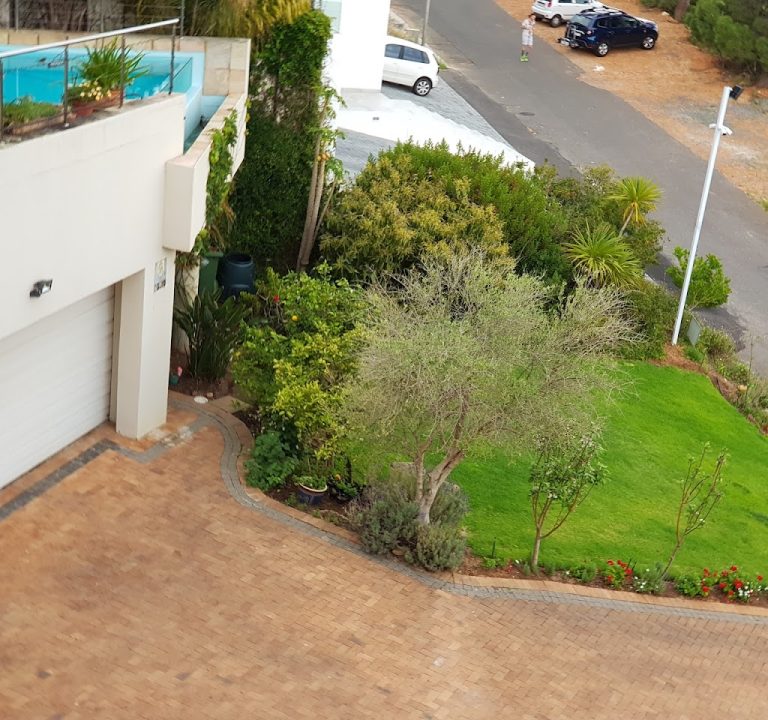
Typical amenities at a Cape Town guest house are designed to feel comfortable and flexible. Expect well‑appointed bedrooms with en suite or private bathrooms, secure parking, and common areas where guests can relax or share travel tips. Breakfast is often included, ranging from a continental spread to hot options, sometimes with homemade breads or fresh fruit from local markets. Many properties offer wi‑fi throughout, tea and coffee facilities, and thoughtful touches such as maps, guidebooks, and recommendations for day trips. A small garden, pool, or sun deck is a common feature, enabling guests to enjoy the mild climate between excursions.
When booking, consider practicalities that can save time and reduce stress. Check the layout of the building and room to ensure it matches your needs, particularly if you have mobility considerations or travel with kids. Look at transport options: is there easy access to the MyCiTi bus network, train stations, or rideshare services? Are there designated parking spaces if you’re hiring a car? Some guest houses partner with local tour operators or can arrange airport transfers, which can simplify logistics after a long flight. If you are visiting during peak season, secure your stay well in advance, as popular districts fill up quickly.
Peak and shoulder seasons in Cape Town offer different experiences. The summer months (roughly November to February) bring long days, warm seas, and outdoor events, but can also be busy. Autumn and spring offer milder temperatures and quieter streets, often with shorter queues at major sights. Winter (June to August) is cooler and wetter, yet still a time when museums, markets, and wine estates provide inviting refuges from the weather. If you plan a wine‑country day or a coastal drive, consider how light and weather may affect your plans, and have flexible alternatives in mind.
Major attractions can be enjoyed by visitors with different interests. Nature lovers often mount early to the iconic Plate‑Observing peaks or Table Mountain, then descend to enjoy coastal paths or beaches. Families and travellers seeking culture may opt for museums, markets, and historic neighbourhoods that showcase Cape Malay heritage and modern creativity. Food lovers will find a vibrant restaurant scene that emphasises fresh seafood, farm‑to‑table produce, and global flavours, often in spaces that also reflect Cape Town’s artistic energy. In general terms, plan a mix of outdoor time and indoor discoveries to balance energy levels and weather fluctuations.
Practical tips for a smooth stay include safeguarding personal belongings, as in any busy urban area. Use reputable transport options, especially after dark, and keep to well‑lit routes when walking at night. A light, compact daypack for excursions is handy, along with sunscreen, a hat, and a reusable water bottle. Engage with local hosts or staff to get up‑to‑date tips on safety, weather, and current events. If you are visiting with a vehicle, research parking arrangements at your chosen guest house and in popular neighbourhoods to avoid last‑minute hassles.
Booking a stay at Sunset Point or similar guest houses offers a flexible, personable alternative to larger hotels. It’s worth noting the value of choosing accommodation with an informed approach to local experiences: a host who can suggest reputable operators for city walks, vineyard tours, or coastal excursions can enhance your trip without inflating costs. For further inspiration on things to see and do, you can explore general travel resources and regional tourism information at reliable sources online, such as official city or regional tourism websites.
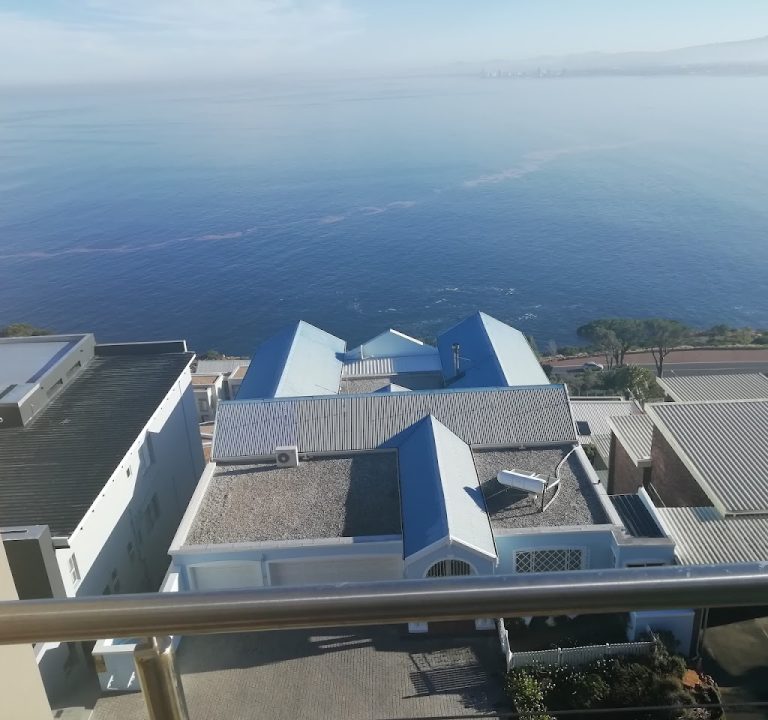
Whether your priority is dramatic coastline, mountain views, or easy access to the city’s energy, Cape Town’s accommodation options can align with a wide range of itineraries. A well‑located guest house gives you a resting place that feels like home after days spent exploring this remarkable corner of the Western Cape. For more information on Sunset Point and similar stays, consider visiting the property’s official website or contacting local tourism providers for tailored recommendations.