Staying in Franschhoek: accommodation, planning and local highlights
Franschhoek sits in the Western Cape’s valley of wine and mountains, renowned for its scenic beauty, wine estates and a culinary scene that blends European influence with South African warmth. When planning a stay here, consider where you want to base yourself, the pace you favour and how you’ll move between attractions. The village core offers a compact, walkable hub with galleries, bakeries and cafés, while surrounding areas provide more secluded ambience, larger estates and scenic viewpoints. A well-planned itinerary can balance mornings in the vineyards, afternoons strolling historic streets and evenings sampling tasting menus or relaxed bistro meals.
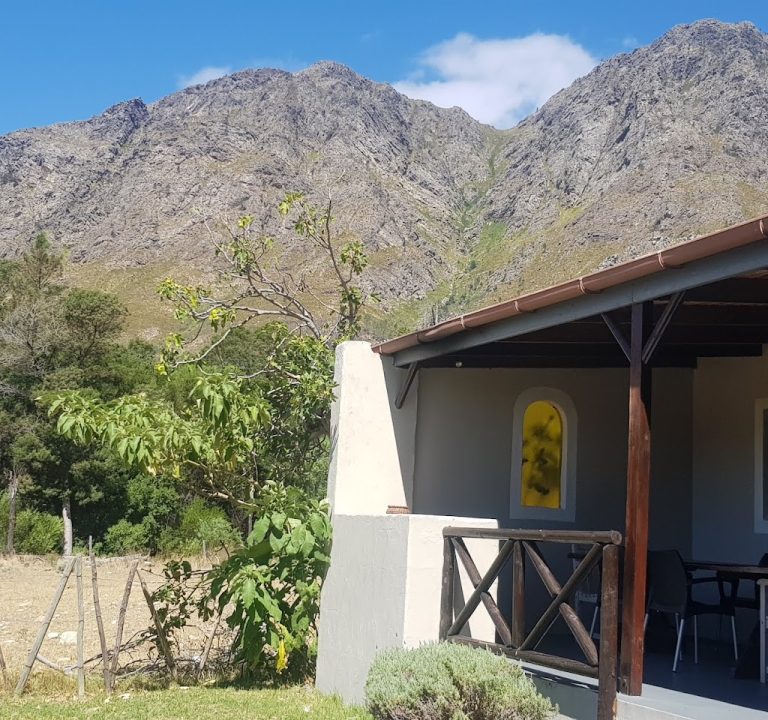
Accommodation in Franschhoek ranges from intimate BnBs and charming guesthouses to boutique hotels and country properties. Each option has its own character, so think about what matters most: privacy, traditional character, modern comforts or direct access to nature. For couples seeking romance, a cosy inn with a courtyard, a sunlit terrace or a spa-style bath can elevate the stay. Families or groups might prefer a larger self-contained unit or a suite with separate living space. For those who like a sense of arrival, country houses with vineyard views or farm-style interiors can deliver a memorable sense of place. If you’re after a hotel experience, look for properties that emphasise the region’s hospitality, with a thoughtful blend of service and space rather than a rigid hotel approach.
Areas to consider when booking include the village centre and its immediate surrounds, where many guesthouses and boutique hotels cluster within easy walking distance of shops, markets and wine-tasting rooms. A short drive beyond the core will reveal more expansive estates, gardens and panoramic mountain views. If you prefer tranquillity, seek out properties on hillside lanes or among vineyards, where grounds and terraces invite quiet mornings with coffee and a view. It’s worth checking access to a car or reliable transfers if you plan to visit multiple wine estates, restaurants and the surrounding towns in the region.
Typical amenities to look for include private or shared lounge areas, en-suite bathrooms, reliable wifi, secure parking, and well-appointed kitchens or kitchenette facilities for flexible dining. Consider whether you want an on-site restaurant or in-room dining options, a swimming pool for warm days, and outdoor spaces such as terraces or braai (barbecue) areas for relaxed evenings with friends. Spa facilities, gym access and guided experiences can add a layer of convenience, especially if you prefer an undisturbed base with thoughtful service. If you enjoy art and culture, a property with easy access to galleries or a curated in-house collection can be a bonus.
Transport is an important piece of the Franschhoek puzzle. A car is often the most convenient way to explore the valley’s many wine estates and scenic viewpoints, though some guests arrive by organised tours or private drivers. If you prefer not to drive, check whether your stay can arrange transfers to key attractions, or choose a central position in the village that minimises the need for daily transport. Local taxis or ride-hailing options are typically available, but services can be more limited on weekends or during peak harvest season, so plan ahead.
Best time to visit Franschhoek blends weather, harvest cycles and crowd patterns. Spring and autumn offer mild temperatures and fewer crowds, making wine tastings and winery tours particularly pleasant. Summer brings longer days and vibrant outdoor dining, but can be busier around harvest periods. Winter is cooler and quieter, with cosy indoor spaces and the chance to enjoy fireside breakfasts and cellar tours. Regardless of when you travel, book well in advance for popular properties and sought-after experiences, especially those that sit at the heart of wine-country touring or acclaimed dining.
When it comes to attractions and experiences, a gentle mix works well. Expect scenic drives along mountain ranges, walks through grapes-and-olive groves, and visits to wine estates that focus on sustainable practices and accessible tours. In terms of dining, Franschhoek has an enduring reputation for high-quality eateries that celebrate seasonal produce, the region’s French influences and a culture of hospitality. Rather than chasing specific names or awards, look for places that emphasise craft, terroir and the engagement of resident chefs with local producers. Markets, galleries and historic architecture add enrichment to any itinerary, and guided walks or tastings can provide context about the valley’s history and social fabric.
Practical tips to smooth your stay: arrive with a flexible plan that prioritises a small number of estate visits per day, allowing time for leisurely meals and unexpected discoveries. Pack comfortable walking shoes for village strolls and vineyard tracks, a light sweater for cooler evenings, and a camera for the valley’s vistas. Check the weather forecast ahead of outdoor activities, and be mindful of seasonal closures or special events that can affect accessibility. If you’re staying in the village, you’ll enjoy easy access to cafés, bakeries and craft shops; if you’re in the surrounding countryside, a car becomes more essential for exploring multiple estates and scenic routes. Always confirm cancellation policies and deposit requirements, as accommodation options in Franschhoek can be in high demand during peak seasons.
For a well-rounded stay that balances accommodation, landscapes and culinary possibility, consider pairing a charming guesthouse or boutique hotel with a curated plan of wine-tasting experiences and leisurely meals. To begin exploring options, you can visit general Franschhoek or Western Cape travel resources and hotel groups that showcase a range of properties in and around Franschhoek. A thoughtfully chosen base will help you enjoy the region’s warmth, character and pastoral beauty—without feeling rushed or overwhelmed.
- Walkable centre versus secluded estates
- Access to wine estates and scenic drives
- Gastronomic options ranging from casual bistros to fine dining
- Proximity to galleries, markets and historic streets