Staying and Exploring Franschhoek: Accommodation, Attractions and Practical Tips
Franschhoek, tucked in the Western Cape among pastures and mountains, is renowned for its cuisine, wine, and picturesque scenery. When planning a stay, you’ll find a range of accommodation options that suit different preferences—from intimate boutique hotels to country inns and stylish guesthouses. The village is compact enough to explore on foot, yet well served by roads for short rides to nearby estates and routes into the surrounding winelands. A well-rounded stay usually blends comfortable lodging with easy access to world-class dining and a tapestry of activities that celebrate the landscape and culture of the region.
Areas to consider when choosing where to stay
- Centre of Franschhoek: Staying in the village core puts you within easy reach of the main attractions, shops, and a walkable dining scene. It’s ideal for guests who want to be close to restaurants and cultural experiences.
- Outlying wine country and farms: Lodges and guesthouses set on farms or vineyard estates offer expansive views, tranquillity, and often a more secluded atmosphere. Some properties provide guided tours, tastings, or curated food experiences.
- Coastal or neighbouring towns: A short drive from Franschhoek, you can pair a day in the village with coastal excursions or visits to other towns in the Western Cape, giving your itinerary a broader sense of place.
What to look for when booking
- Room configurations and privacy: For couples, suites with a private lounge or terrace can enhance the sense of serenity. Families may prefer interconnected rooms or larger suites.
- Amenities and inclusions: Check whether a property offers on-site dining, a pool, spa facilities, or guided tours. Some estates may include tastings or a wine-pairing menu as part of the stay, while others charge separately.
- Access to experiences: Properties close to wine estates, historical sites, or art and cooking classes can save travel time and enrich your schedule.
- Sustainability and ethos: Many Franschhoek properties emphasise farm-to-table ingredients, local sourcing, and conservation-minded practices—worth noting if this aligns with your values.
Typical amenities you can expect
- Comfortable rooms with en-suite bathrooms, premium bedding, and en-suite conveniences such as coffee stations or minibars.
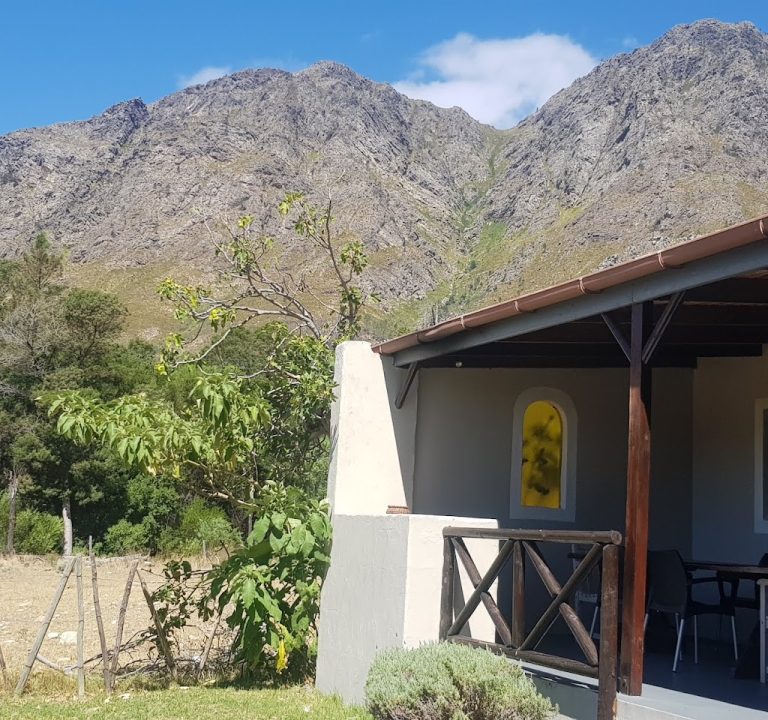
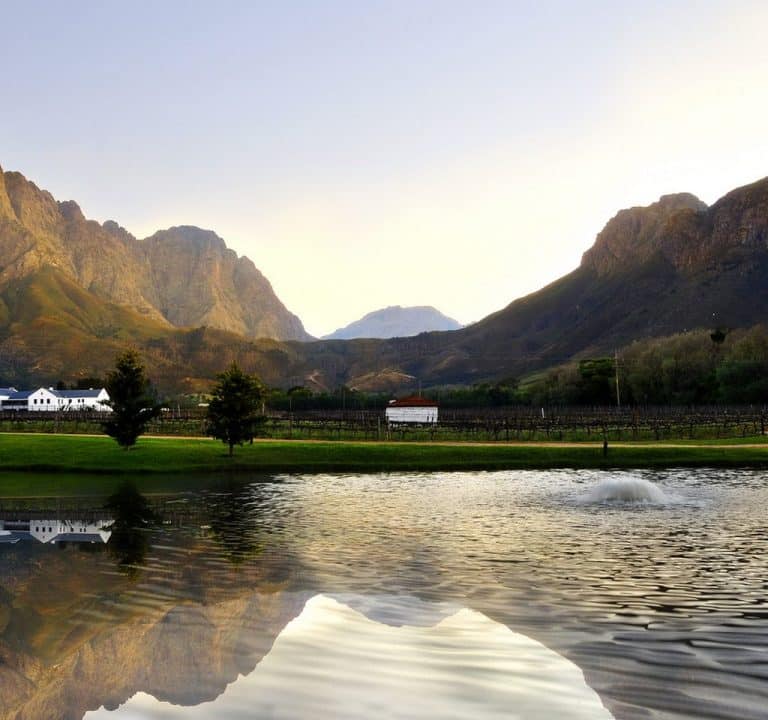
- Well-kept grounds, outdoor seating, and sometimes terraces with mountain or vineyard views.
- On-site dining options or easy access to acclaimed restaurants nearby.
- Access to tasting rooms or curated wine experiences, either on-site or through partner estates.
- Helpful staff who can arrange transfers, tours, or grocery drop-offs to make your stay seamless.
Transport and getting around
Franschhoek is best explored with a mix of walking and short drives. In the village, pedestrian-friendly streets invite strolls between galleries, bakeries, and cafés. For vineyard tours or day trips into the wider Winelands, consider arranging a private transfer or joining a guided tour to ease navigation and maximise time. If you’re driving yourself, a respectable road network connects Franschhoek with Stellenbosch, Paarl, and Paarl’s wine routes. Some guests choose taxi services or ride-hailing options for evenings out when sampling the village’s culinary scene.
The best time to visit
Franschhoek enjoys a temperate climate, with warm summers and cooler winters. Peak tourist seasons align with the spring and autumn months, when vineyard activity and restaurant openings are in full swing. Summer brings long days and outdoor dining pleasures, while spring and autumn offer calmer crowds and vibrant landscapes. If you’re interested in harvest season, plan well in advance as accommodation tends to book quickly. Winter offers cosy fireside ambience in many guesthouses and hotels, often complemented by intimate tasting experiences indoors.
Practical tips for a smoother stay
- Book ahead for popular weekends and around major festivals to secure preferred rooms and dining reservations.
- Check if your chosen property includes breakfast or if you’ll be dining out—this can affect how you pace your mornings.
- Ask about included experiences, such as wine tastings or guided walks, to enhance value and itinerary planning.
- Consider combining a few nights in Franschhoek with a day trip to nearby towns to diversify your trip while minimising hotel changes.
- Pack layers: mornings and evenings can be cooler, even in warmer months, and wind can be brisk along the valley.
Highlighting a stay option: Chambray Estate, a hotel in the region, offers a gateway to Franschhoek’s hospitality and landscape. It sits within easy reach of village amenities and the surrounding winelands, providing a base from which to pace a cultural and culinary itinerary. For more information, visitors can explore the property’s official website to understand room types, dining options, and any bespoke experiences on offer: Chambray Estate.
Attractions and dining in broad terms
Beyond the wine estates, Franschhoek offers historic sites that reflect its Huguenot heritage, art galleries, and markets where local artisans showcase crafts and foods. The dining scene is renowned for its emphasis on seasonal ingredients and refined cooking, with many restaurants presenting chef-driven menus that celebrate French-influenced cuisine as well as South African flavours. In addition to gastronomy, you’ll find scenic trails, vineyard walks, and countryside viewpoints that reward visitors with striking mountain and valley panoramas.
In short, Franschhoek rewards travellers seeking quality accommodation, culinary excellence, and unhurried exploration. Whether you choose a cosy village guesthouse, a vineyard retreat, or a stylish hotel with easy dining access, planning around transport, timing, and your preferred pace will help you craft a memorable South African stay.