Dolphin Coast: Accommodation and Experiences for a Memorable Stay
The Dolphin Coast of KwaZulu-Natal offers a relaxed blend of golden beaches, coastal villages and verdant hinterland, all within easy reach of major centres. Whether you are seeking a stylish riverside retreat, a family-friendly guesthouse, or a modern lodge with sea views, the area provides a range of stays that suit different budgets and itineraries. When planning a visit, consider not only where you sleep but also how you will move around, what you want to see, and how long you intend to linger by the shore.
Areas to consider when booking include the popular coastal towns and quieter neighbourhoods that thread along the coast. Ballito is well served with a mix of self-c catering apartments, boutique guesthouses and mid-range hotels, commonly favoured for easy beach access and family activities. Salt Rock and Shakas Rock present a more laid‑back vibe with smaller guesthouses and lodges that still offer proximity to beaches and nature trails. For a more exclusive retreat, look toward gated communities and lodges perched above headlands or set within lush gardens. If you are after a deeper natural escape, consider properties closer to nature reserves or riverbank stretches where you can combine a restful stay with wildlife spotting and birdwatching.
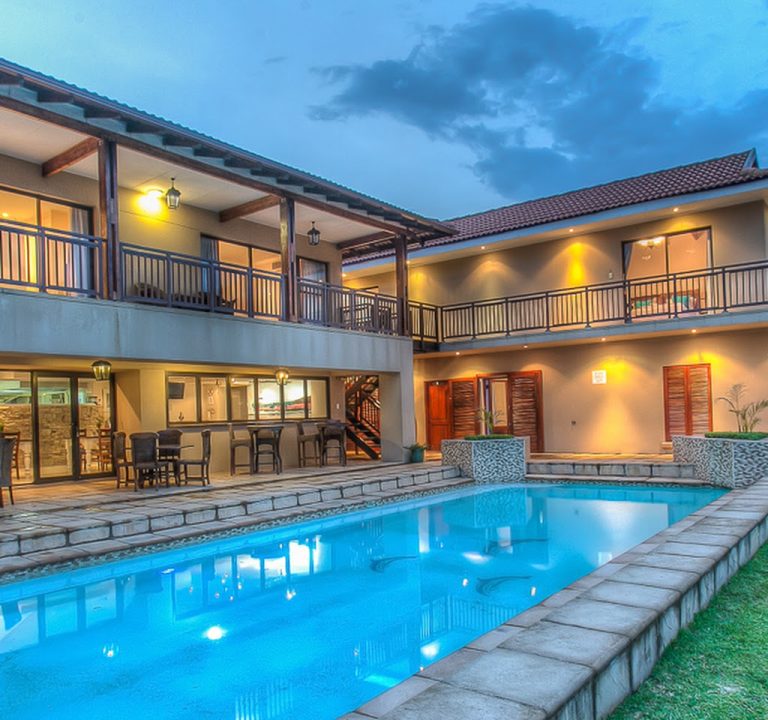
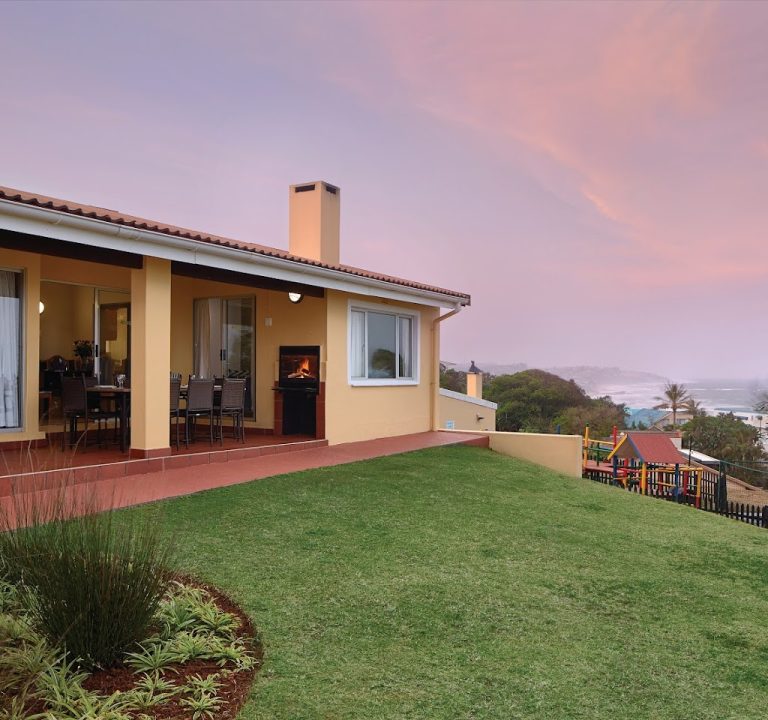
What to look for when booking includes access to a private or shared pool, direct beach access, and clear parking arrangements. Properties with flexible kitchen facilities or on‑site dining can be handy for families, while a look-out terrace or balcony offers a daily reminder of those wide Indian Ocean views. Check whether the accommodation provides reliable Wi‑Fi, since many travellers combine work with leisure on their breaks. In-season availability can fill quickly, so planning ahead, particularly for school holidays and public holiday weekends, is worthwhile.
Typical amenities found in the Dolphin Coast area span comfortable en‑suite bedrooms, well-equipped kitchens or kitchenettes, and outdoor spaces designed for al fresco meals. However you choose to rest, you can often expect air conditioning or ceiling fans for warm coastal nights, secure access, and daily housekeeping options at some properties. For families or groups, larger units with multiple bedrooms and living spaces are common, and many lodges offer communal lounges, barbecue areas, and kid-friendly facilities. If you appreciate a more intimate stay, smaller guesthouses may provide personalised service and a sense of local character that reflects the region’s hospitality traditions.
Transport and getting around are practical considerations. If you are staying near the coast, a car is usually the most convenient way to explore townships, beaches and scenic viewpoints along the shoreline. Some properties offer transfers or have close access to taxi or ride‑hailing services. For day trips further afield, planning a light itinerary that combines beach time with short drives to hinterland viewpoints, nature reserves or local markets can help you make the most of your stay without feeling rushed. Check parking arrangements for destinations where on‑street parking is limited or paid during peak periods.
The best time to visit the Dolphin Coast largely depends on what you want from your trip. The region enjoys a warm subtropical climate with hot summers and mild winters. For whale‑watching opportunities, late winter to early spring is particularly rewarding, while the coast is popular year‑round for swimming, surfing and long, languid beach days. Summer seas can be lively, with occasional tropical showers, so an adaptable itinerary works well if you favour outdoor activities. Outside peak season, you may benefit from quieter beaches, lower rates and more personal attention from hosts and guides.
Practical tips to help you optimise your stay:
- Book flexible options where possible to accommodate weather changes and activity plans.
- Pack sensible beach gear, sun protection, and lightweight layers for cooler evenings by the water.
- Consider a balance of relaxation time and short day trips to nearby towns, markets and nature reserves.
- Ask hosts about local dining recommendations, surf‑friendly beaches, and tidal conditions for safe swimming.
- Respect local environmental guidelines, particularly near protected shorelines and reserve entrances.
When it comes to dining and exploring the local scene, the Dolphin Coast offers a relaxed culinary atmosphere with a range of eateries and coffee spots that celebrate fresh seafood, regional produce, and global flavours. In most towns you’ll find cafés and farm‑to‑table options that suit casual meals and family-friendly visits. For a broader culinary plan, you can spend an evening sampling ocean‑side restaurants or making your own supper at a self‑catering unit after a day’s adventures. Look out for walkable town centres where you can stroll between shops, art galleries and open spaces that showcase coastal life.
For accommodation with a focus on convenience and comfort, you might consider properties like The Atrium or other lodges and guesthouses in the area. They can provide a solid base for a coastal break, combining comfortable rooms or suites with easy access to beaches, nature trails and the region’s relaxed pace. If you value a sense of place, seek hosts who share local knowledge about beaches, viewpoints, and family‑friendly activities, helping you tailor your stay to your interests. Whether you are chasing tranquillity, outdoor adventure, or a gentle seaside escape, the Dolphin Coast offers a welcoming backdrop for a restorative South African coastal visit.