Accommodation and Things to Do on the Dolphin Coast, KwaZulu-Natal
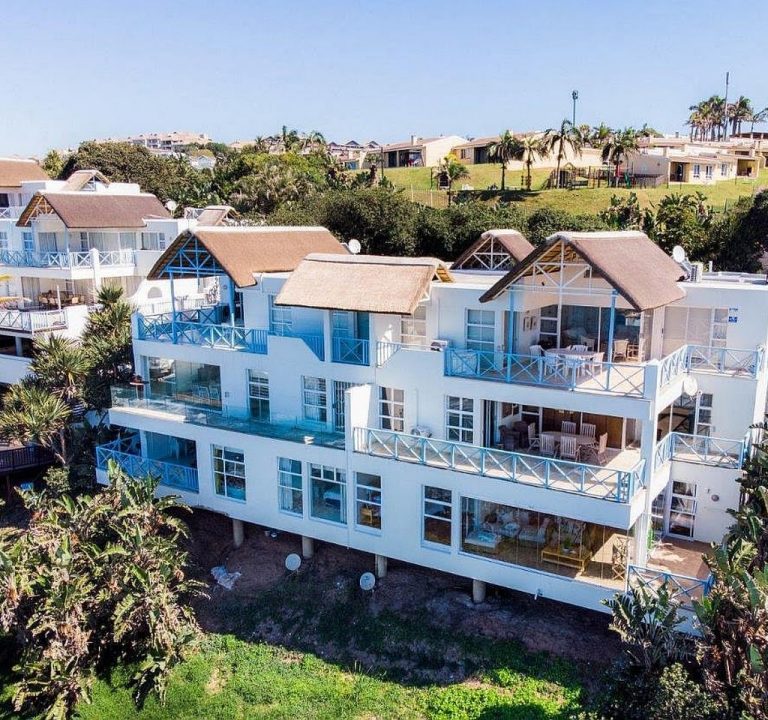
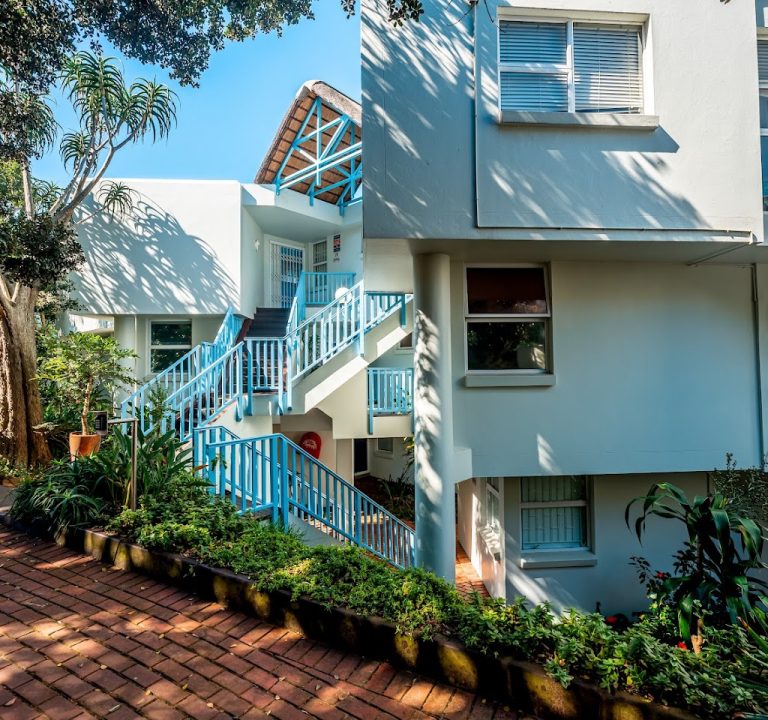
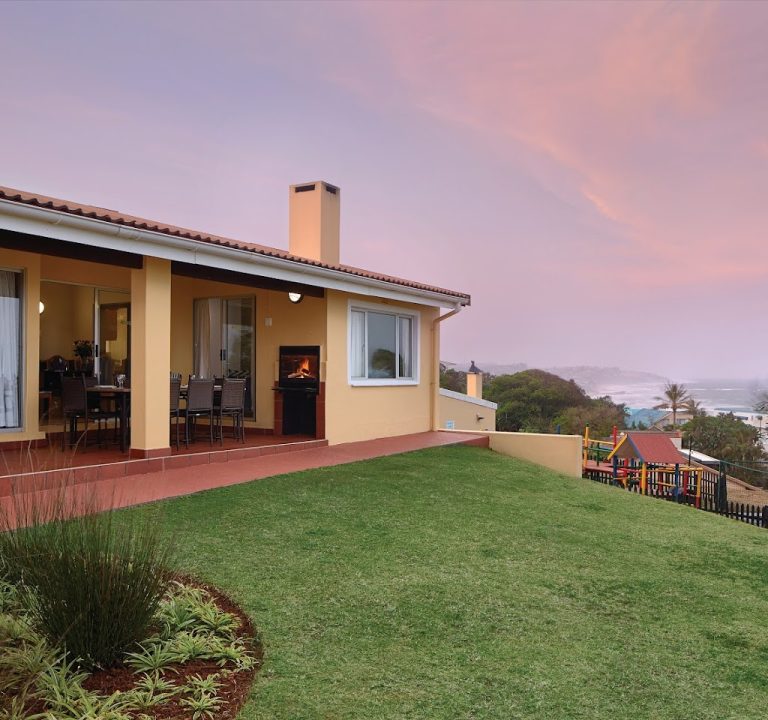
The Dolphin Coast in KwaZulu-Natal offers a sun-soaked mix of relaxed coastal living, pristine beaches, and convenient access to the region’s attractions. Staying along this stretch — from the shoreline to the inland villages — gives travellers a choice of quiet seaside escapes, family-friendly guesthouses, and boutique stays that cater to a traveller’s need for comfort, convenience and feeling of place. One well-regarded example is 64 Ocean Drive Guesthouse, a property that embodies the mix of comfortable rooms, easy access to the beach, and the convenience of nearby amenities. Whether you are seeking an intimate break, a family-friendly long weekend, or a base for exploring the wider KwaZulu-Natal coast, there are options to suit a range of budgets and preferences.
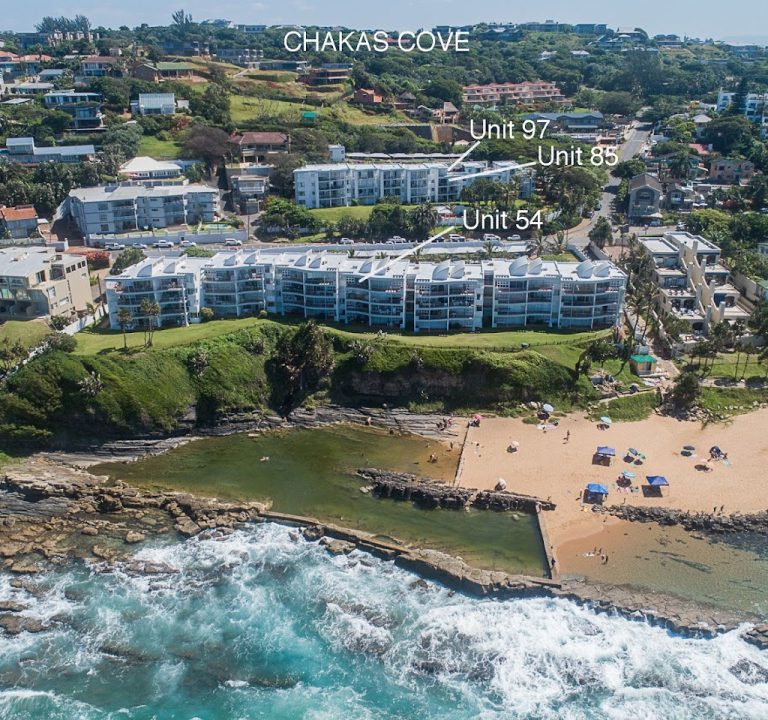
When planning a stay, consider the different areas along the Dolphin Coast. The beachfront towns are convenient for easy beach access, strolls along promenades, and dining with sea views. Inland villages tend to offer a quieter vibe, larger plots, and opportunities to experience local culture, markets, and nature trails. If you’re travelling with children or prefer a more relaxed pace, look for properties with family rooms, spacious balconies or verandahs, and facilities such as self-catering kitchens or communal barbecue areas. Couples seeking a romantic or peaceful escape might prioritise boutique guesthouses with intimate lounges, private terraces, and proximity to sunset viewpoints.
Key features to look for when booking include: a comfortable bed and good-quality linen; reliable air conditioning or ceiling fans for KwaZulu-Natal’s warm months; private or semi-private outdoor spaces; secure parking; and clear information on access to the beach or pool areas. Check whether the accommodation offers breakfast options, on-site dining, or convenient self-catering facilities. Accessibility can be important, so note whether lifts or ground-floor rooms are available if needed. Many properties in the Dolphin Coast also emphasise eco-friendly practices and minimal environmental impact, which can be a plus for responsible travellers.
Typical amenities you might encounter include free Wi‑Fi, daily housekeeping or a weekly refresh, in-room coffee and tea facilities, and well-equipped kitchens or kitchenettes. If you’re visiting during peak holiday periods, confirm whether pools, communal lounges, and outdoor spaces operate with set schedules or have capacity limits. A manageable cancellation policy is worth considering, particularly when travel plans may change with weather or family needs.
Transport is worth planning ahead. The Dolphin Coast is reachable by road from Durban, with several towns offering straightforward routes to the coast via national and regional roads. If you plan to explore beyond the immediate coast, renting a car is often the simplest way to move between towns and nature reserves. For visitors not keen on driving, check whether your accommodation offers shuttle services into town or if there are reliable local taxi options. Public transport options are more limited in some areas, so knowing your transfer choices in advance can save time and stress.
The best time to visit the Dolphin Coast depends on the experience you want. The summer months (roughly November to February) are ideal for beach days, swimming and water-based activities, though they can be busy during school holidays. Winter (June to August) brings cooler days suitable for long walks along the coastline, wildlife sightings in nearby reserves, and off-peak rates at many properties. Shoulder seasons offer a balance of pleasant weather and quieter beaches. Always check local weather and tidal patterns if you plan to engage in water sports or coastal walks, and be mindful of sun protection and hydration during warmer periods.
Attractions and experiences in the area generally fall into a few broad categories: beach-based recreation, nature and wildlife experiences, cultural and heritage sites, and food-focused venues. Beach days can be enhanced by choosing a property close to safe swimming zones, with the option of light supervision or lifeguard services during peak seasons. Nature lovers may enjoy easy hikes along clifftop paths, nature reserves, and marine viewpoints that showcase the coastline’s rugged beauty. Cultural experiences, markets, and informal eateries provide a chance to sample local flavours and crafts without needing elaborate itineraries. Those seeking a relaxed dining scene can expect friendly, informal venues with coastal fare and seasonal ingredients, ideal for long lunches or sunset meals with sea breezes.
- Plan for flexibility: block accommodation but leave space to explore nearby towns and beaches.
- Pack for the outdoors: sun protection, light layers for cooler evenings, and comfortable footwear for walks.
- Factor travel time between towns and beaches into your day, especially in high season.
- Consult local tourism information for current events, markets, and family-friendly activities.
For further inspiration and up-to-date visitor information, consider checking regional tourism resources that cover the Dolphin Coast and KwaZulu-Natal more broadly. Practical planning tips include confirming access details with your chosen accommodation, understanding the parking situation, and reviewing the property’s guidance on beach etiquette and safety. If you’d like an overview of broader KwaZulu-Natal experiences, you can explore official tourism pages and regional guides. A stay along the Dolphin Coast can offer a balanced mix of restful relaxation, natural beauty, and easy, unpretentious ways to enjoy South Africa’s coastline.