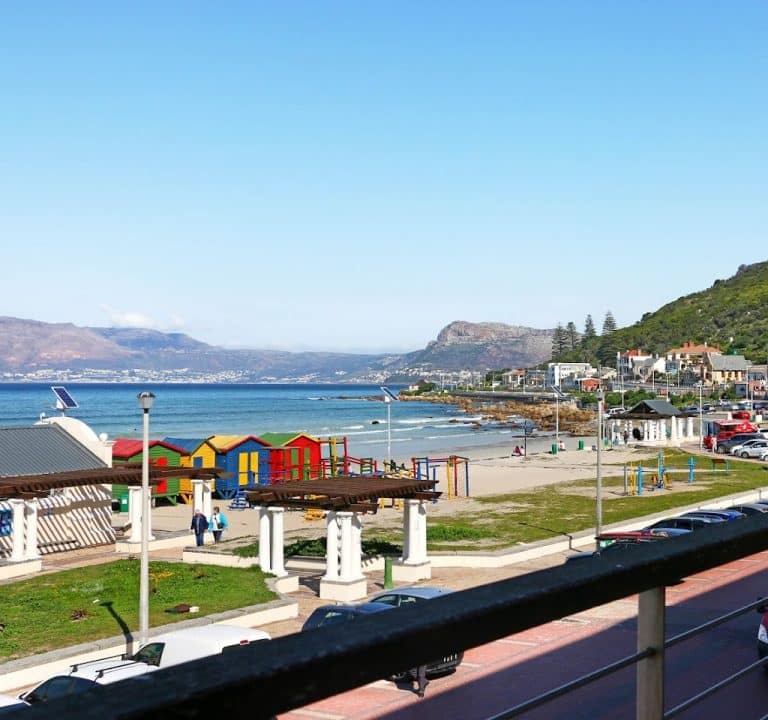
Cape Town: accommodation, attractions and dining for a memorable stay
South Africa’s iconic city of Cape Town offers a remarkable balance of natural beauty, cultural richness and hospitality. When planning a stay, choosing the right area and style of accommodation can make all the difference to your experience. From intimate guest houses and cosy B&Bs to stylish hotels and self-contained apartments, Cape Town’s neighbourhoods cater to a wide range of preferences and budgets.
Areas to consider include the City Bowl, where leafy streets, museums and convenient links to the lift-assisted peak of Table Mountain sit within easy reach. The Atlantic Seaboard, with its ocean views and sandy coves, is perfect for sun-worshippers and sunset watchers. Green Point and the V&A Waterfront offer a lively mix of shopping and easy access to harbour and tours, while the leafy southern suburbs and the Constantia Valley provide a more relaxed village feel and easy access to the winelands. For a taste of old Cape Town charm, neighbourhoods such as Bo-Kaap and the hip indie districts offer vibrant dining and cultural exploration. When selecting accommodation, consider your priorities: proximity to the sea, ease of access to lift systems or roads, and whether you prefer a quiet residential vibe or a central hub with quick links to sights and eateries.
Typical amenities you might look for include free Wi‑Fi, a daily breakfast option, comfortable en-suite rooms, secure parking, and flexible check-in times. Some guest houses and boutique hotels offer additional touches such as a communal lounge, a small pool, terraces with mountain or ocean views, or guided local experiences. If you’re travelling with a family or a group, a self-catering apartment or a suite with multiple bedrooms can offer greater space and autonomy. For business trips, check for work-friendly desks, strong Wi‑Fi and convenient access to transport links. Always confirm what is included in the rate—whether breakfast is continental or fully cooked, and if there are any restrictions on guest access to facilities after hours.
Transport in Cape Town is straightforward but varies by area, so planning ahead helps. The MyCiTi bus network provides a reliable, affordable way to reach central landmarks, beaches and major attractions. Taxis and ride-hailing services are widely available, especially for evenings out. If your stay includes day trips to the Cape Point or Constantia wine region, you might prefer a rental car to maximise flexibility, though many tours offer pick‑ups from central hotels and guest houses. If you prefer not to drive, look for accommodations that are close to a frequent transport hub or a dedicated tour desk that can arrange day trips and experiences for you.
The best time to visit Cape Town depends on your priorities. Summer (December to February) brings warm, dry days ideal for beaches and outdoor exploration, while spring (September to November) and autumn (March to May) offer milder temperatures and quieter attractions. Weather can be changeable, so packing layers is wise. If you are counting on sea breezes and outdoor dining, the shoulder seasons can be especially pleasant. Remember that Cape Town’s climate can influence both activities and dining options, so it’s wise to book restaurants and popular attractions in advance during peak periods.
When planning a balanced stay, consider a mix of outdoor adventures, cultural experiences and food-led discoveries. A day might begin with a sunrise cable car or a guided nature walk up Table Mountain, followed by a visit to Kirstenbosch National Botanical Garden or the neighbourhood markets. Afternoons can be spent exploring the V&A Waterfront, taking a harbour cruise, or venturing to nearby Hout Bay or Kalk Bay for a scenic coastal drive. For foodies, Cape Town offers a spectrum of dining experiences—from casual bistros with seasonal menus to refined establishments that showcase regional produce and wine pairings. In general terms, expect a thriving café culture, plentiful seafood options, and a mix of international cuisine and traditional South African flavours in many areas.
- Choose an area that suits your pace: central convenience for sightseeing or a seaside base for beaches and calmer evenings.
- Look for flexible seating and dining options if you prefer a slow start or late evenings.
- Ask about breakfast arrangements, parking security, and access to outdoor spaces such as terraces or pools.
- Check proximity to transport links and likelihood of scenic routes for day trips.
- Confirm cancellation policies and any seasonal peak rates to avoid surprises.
Finally, while Cape Town offers a wealth of sights—from sweeping mountain panoramas to historic sites and a vibrant dining scene—practical planning can enhance your stay. Pack a light rain jacket for sudden changes, plan fortified water and sun protection for day trips, and allow some downtime to simply enjoy a café or a sunset view from a terrace. For inspiration and practical planning, many accommodation providers link to official tourism resources and local guides, helping guests to craft customised itineraries that celebrate the best of the Cape Peninsula and its surroundings.