Discovering Cape Town: Accommodation and Attractions for a Memorable Stay
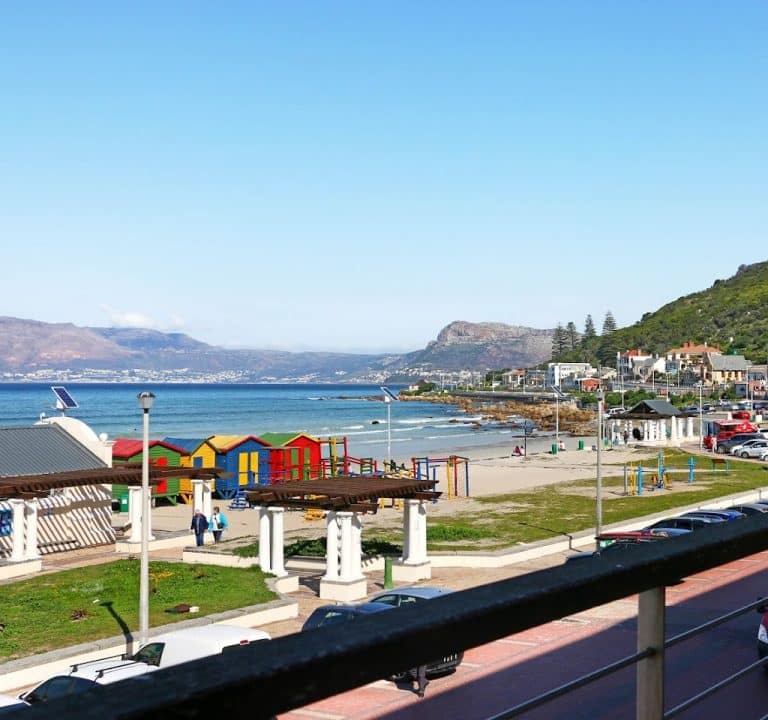
Cape Town sits on the beautiful western tip of South Africa, where dramatic mountains meet glittering coastline. When planning a stay, the choice of neighbourhood and style of accommodation can shape your experience as much as the sights themselves. From self-catering apartments in vibrant neighbourhoods to boutique guesthouses perched near the Atlantic, there is a range of options to suit different budgets and travel styles. The Masonic Building-Accommodation offers self-catering choices within a historic setting, providing guests the comfort of home with access to local conveniences.
Neighbourhoods to consider include the Atlantic seaboard for ocean views and easy access to beaches, the city centre for walkable culture and dining, and theSouthern Suburbs or green-and-hilly Constantia valley for a slower pace and nature-filled days. When selecting accommodation, consider proximity to transport routes, safety, and the type of experience you want: a lively city buzz, a quiet retreat, or a gateway to outdoor adventures. A balanced mix of daylight explorations and evening strolls can help you make the most of your stay.
Typical amenities in Cape Town accommodations span fully equipped kitchens or kitchenettes, reliable Wi‑Fi, laundry facilities, and access to outdoor spaces such as courtyards, balconies, or pools. For many travellers, simple conveniences matter: protected parking, easy check-in, and clear information about local transit links. If you prefer a more home-from-home stay, self-catering options in central or near-beach locations can be particularly convenient, allowing you to plan breakfasts or relaxed dinners with fresh market supplies.
When to visit Cape Town is shaped by the climate and by what you want to do. The city enjoys a Mediterranean-like climate with wet winters and dry summers. The spring and autumn shoulder seasons, roughly September to November and March to May, are popular for their mild weather and fewer crowds. Summer (December to February) brings warmer seas and longer daylight, ideal for coastal walks and outdoor dining, but it can be busier. Winter (June to August) is cooler and wetter, offering a different mood and often fewer tourists, with opportunities to enjoy museums and indoor experiences in comfort.
Getting around is straightforward, but planning ahead helps. The MyCiTi bus network covers much of the metropolitan area, and rail services connect central districts with outer suburbs and the wine routes a short drive away. For travellers who value flexibility, hiring a car provides the greatest independence to explore beyond the city and along the Atlantic Seaboard. Many guesthouses and self-catering properties offer parking or have partnerships with nearby garages. For longer day trips, guided tours can provide context and efficient itineraries, while self-guided routes let you tailor your pace.
When booking, look for a few practical features. A good kitchen or kitchenette makes self-catering viable, especially for travellers staying several nights. A comfortable bed, quality linen, and secure storage for valuables help with a restful stay. Consider the size of the property in relation to your group and whether you prefer a serviced option or more of a private, independent stay. Clear information about accessibility, whether there are stairs or ramps, can save time and effort. If you’re arriving by late flight, check for flexible check-in arrangements and how to contact your host after hours.
In terms of experiences, Cape Town offers a spectrum of attractions and experiences beyond the iconic landmarks. Nature lovers can explore mountain reserves, cable-car rides up famous peaks, and scenic coastal paths. Cultural travellers may enjoy museums, historic districts, and local markets that showcase jewellery, crafts, and regional foods. Food lovers can expect a strong focus on seafood, fresh produce, and diverse cuisines that reflect Cape Malay, African, and international influences. While the city is filled with recommended restaurants and eateries, it’s wise to ask hosts or reception staff for current favourites and new openings rather than relying on a single list. Always consider timing and reservations, particularly in peak seasons or weekends.
For planning a balanced itinerary, you might begin with a mix of coastal morning walks, a couple of cultural stops, and an afternoon in a nearby nature area or park. A daytrip to a scenic wine region nearby can pair well with a restful evening back at your accommodation. When dining out, look for places that highlight seasonal produce and offer convivial atmospheres where you can linger over views and conversations with locals or fellow travellers. If you prefer guided insight, join a small-group walk or tour that focuses on your interests, whether it is geology, photography, or contemporary Cape culture.
Practical tips to help you enjoy your stay:
- Pack layers and a lightweight waterproof jacket for changeable coastal weather.
- Bring sturdy footwear for varied terrain, from urban streets to scenic viewpoints.
- Estimate travel times with extra buffers for traffic and scenic detours—MAP and transit apps can be handy.
- Respect local safety guidance, especially when exploring less crowded areas after dark.
- Plan with a flexible mindset to accommodate weather or seasonal openings at attractions and markets.
For further inspiration and practical planning, visit official tourism resources and local guides. Cape Town’s official portals often provide visitor information, transit updates, and suggested itineraries to help tailor your stay. With careful planning, your accommodation near the city’s bright beaches or historic streets can become a launchpad to a memorable Western Cape getaway. For more ideas and practical planning, see https://www.capetown.travel and related official resources.