Experience Pretoria: where to stay and what to do in Gauteng
South Africa’s administrative capital blends grand colonial architecture with leafy neighbourhoods, modern malls and a calm, garden-city vibe. Pretoria is easy to navigate, making it a comfortable choice for travellers who want to combine business with leisure, or simply enjoy a slower pace in a city surrounded by jacaranda-lined streets. When planning a stay, consider the different neighbourhoods, typical amenities on offer, and how you’ll move around to make the most of your time.
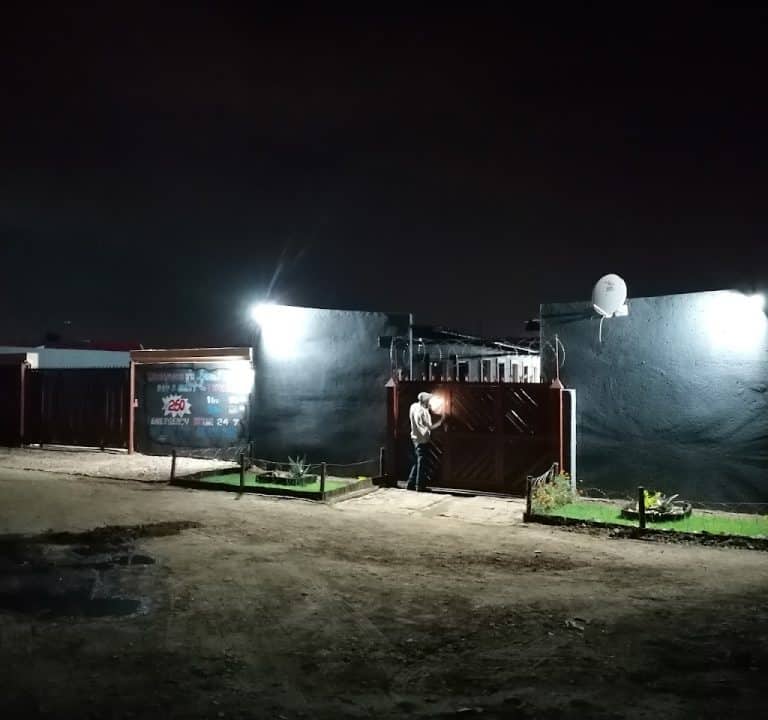
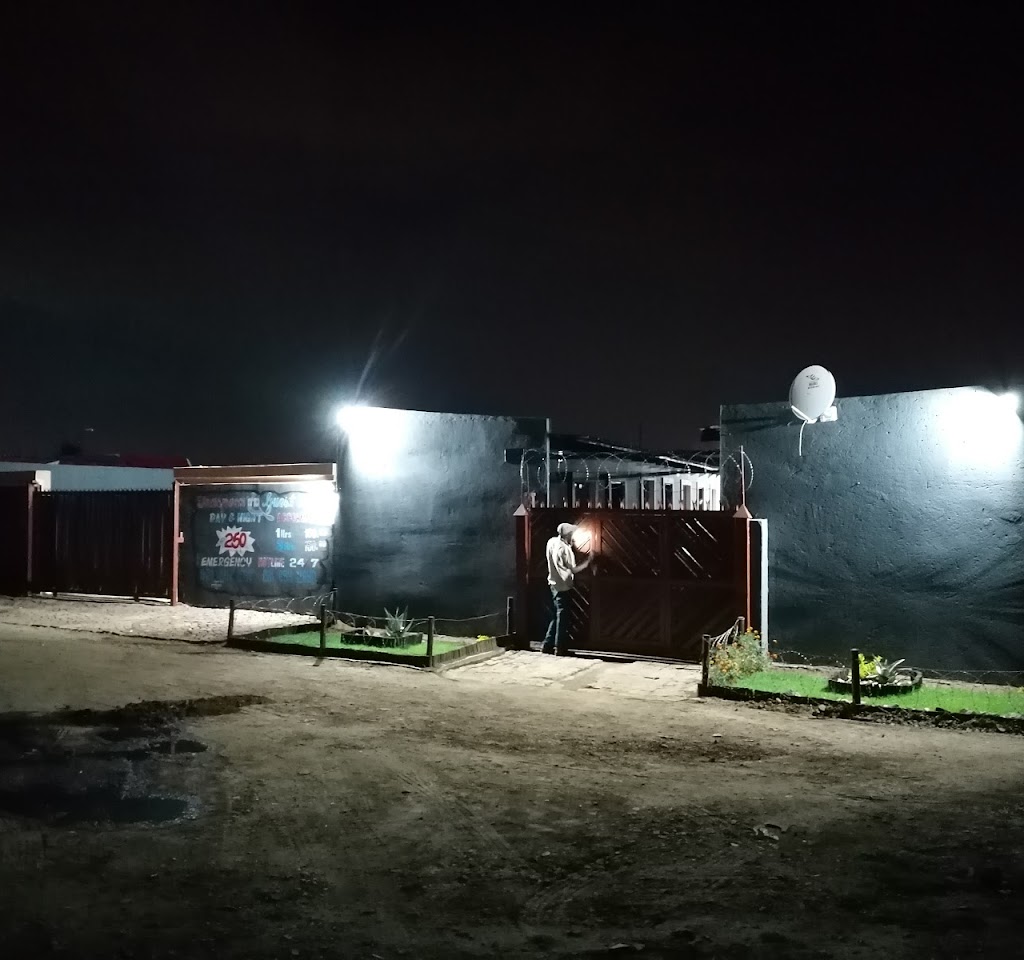
Accommodations in Pretoria run from boutique guesthouses and self‑catering apartments to family‑friendly hotels and motel‑style stays. A few examples illustrate the spectrum: central properties offer walkable access to government buildings, historic sites and cafés; northern suburbs provide easy access to modern shopping centres and business precincts; and eastern or southern pockets can feel calmer, with larger rooms and often quieter streets. Teaspoon guest house is an example of a modest motel‑style option that can provide practical comfort for travellers looking for straightforward, affordable accommodation with parking and a convenient location.
When choosing where to stay, think about access to transport links. The Gautrain provides fast rail connections to Johannesburg and Lanseria, while Uber, metre taxis and rental cars are common in the city. If you expect to explore beyond Pretoria, a convenient base near major routes can save time. Look for free or on‑site parking, reliable Wi‑Fi, a decent breakfast option, and rooms that offer privacy, adequate storage and good lighting for work or planning days out. For families, a layout with separate living or sleeping spaces and child‑friendly facilities can make a stay much more relaxed.
Typical amenities across Pretoria’s lodging include comfortable beds with quality linens, private en‑suite bathrooms or well‑appointed shared facilities, and well‑equipped kitchens or kitchenette spaces in self‑catering options. Breakfast rooms or options ranging from continental to heartier cooked meals are common, as are pleasant outdoor areas, gardens or verandas for a post‑day stroll. Some properties offer additional touches such as a small gym, a pool, or a communal lounge with books and travel information. If you rely on Wi‑Fi for work or streaming, check speed and access policies, as some smaller places limit bandwidth or impose caps during peak times.
In Pretoria, the best time to visit tends to align with the city’s climate. Spring (August to October) can be ideal, when jacaranda trees burst into bloom and the weather becomes mild. Early mornings are cool, while afternoons are warm but comfortable. Summers (November to February) bring higher rainfall and heat, which can be pleasant with a dip in a pool or a shaded garden, but plan for the possibility of outdoor showers or thunderstorms. Autumn delivers clear days with soft light, and winter (June to August) is cool, sometimes chilly, but generally dry and easy to navigate with layers. Pack comfortable walking shoes, a light jacket for evenings, and a versatile day bag for urban exploring and day trips to nearby nature reserves.
Eating and drinking in Pretoria is a highlight, with a range of options from casual eateries to more refined dining rooms. You’ll find influences from local South African cuisine and international dishes alike, often built around market stalls, cafés, and family‑run bistros. In addition to central dining hubs, you’ll discover neighbourhood spots where residents gather for coffee, light lunches or evening meals. When choosing a restaurant, consider what atmosphere you prefer—something cosy and intimate, or a lively place with outdoor seating—and check whether the venue offers parking or is easily reached by public transport. Many places also cater for dietary preferences, including vegetarian and other dietary requirements, so it’s worth asking in advance if you have specific needs.
Attractions and experiences in and around Pretoria cover history, culture, nature and contemporary life. Visitors typically enjoy exploring the city’s grand public buildings and historic streets, strolling through well‑kept parks and botanical spaces, and visiting museums that contextualise South Africa’s past and present. For a relaxed day, consider combining a stroll along a scenic avenue with a visit to a local market or craft stall, and add a stop for coffee or a light meal in a buzzy neighbourhood. For nature lovers, nearby botanical gardens and nature reserves offer peaceful trails and birdwatching opportunities, while city gardens, sculptures and memorials provide a sense of place and history without needing a long day of travel.
Planning tips to help you get the most from a Pretoria stay:
- Book with flexible cancellation whenever possible, especially in peak travel periods.
- Choose accommodation with parking if you anticipate using a car; if not, verify proximity to reliable public transport or ride‑hailing options.
- Look for hosts or managers who provide practical local tips—neighbourhood highlights, reliable eateries, and safe walking routes after dark.
- Pack layers for changeable weather, particularly if you travel outside the peak summer months.
For more planning inspiration, you can explore official tourism resources and regional guides that highlight places to visit, practical travel tips, and seasonal events. Pretoria offers an approachable, varied stay with options to suit budget, pace and style, making it a thoughtful choice for travellers seeking a balanced city break in Gauteng.