Accommodating Pretoria: where to stay and what to do in Gauteng
Pretoria, the administrative heart of South Africa’s Gauteng province, offers a mix of leafy suburb charm, modern business districts, and cultural attractions. When planning a stay, it helps to balance convenience with the type of experience you want—whether that’s a tranquil garden setting, a stylish city boutique, or easy access to major sights. The city is well-connected by road, and the Gautrain provides swift links to Johannesburg and OR Tambo International Airport, making Pretoria an approachable base for a longer Gauteng visit.
Areas to consider for accommodation reflect different vibes and practicalities. The central precinct around Pretoria CBD is closest to many museums, historic sites, and government buildings, but can be busier and busier at night. Hatfield and Brooklyn offer a university-town vibe with coffee shops, restaurants, and a lively night scene, while Sunnyside provides a compact, budget-friendly option within easy reach of the central sights. For shoppers and families, the eastern suburbs around Menlyn and Waterkloof combine characterful guesthouses with modern malls and convenient dining. If calm and security are priorities, leafy suburbs such as Arcadia or Faerie Glen can provide quieter stays with easy freeway access to central Pretoria or Johannesburg in daylight hours.
When choosing your lodging, consider the following typical features and what they mean for your stay:
- Breakfast options: from continental self-serve to cooked-to-order breakfasts, these can save time in busy mornings.
- Parking and security: on-site parking and gated access can simplify evening returns, especially if you’re reliant on taxis or a rental car.
- Wi‑Fi and workspaces: for visitors who occasionally need to catch up on emails or plan day trips, reliable internet is essential.
- Self-catering facilities: a kitchenette or apartment-style suites can suit those who prefer to prepare meals.
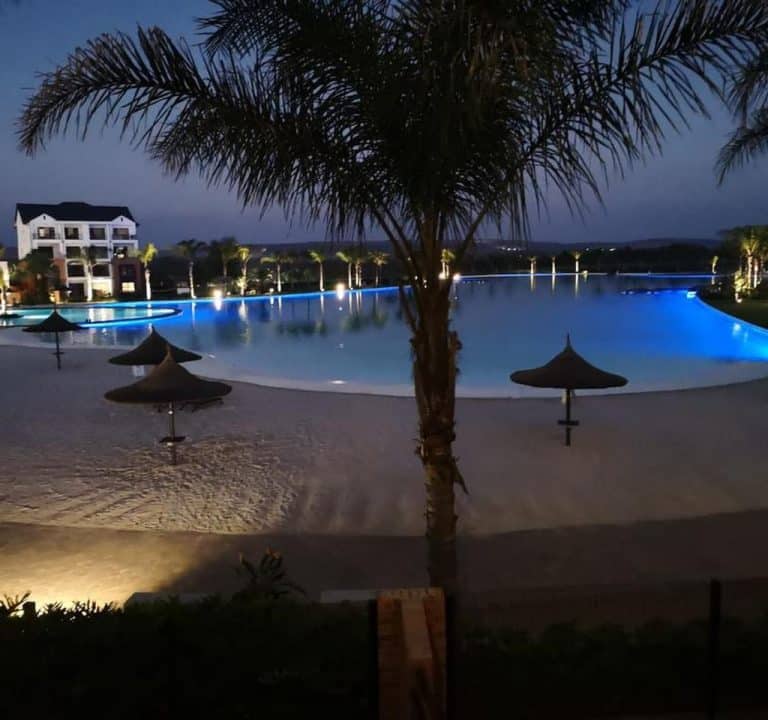
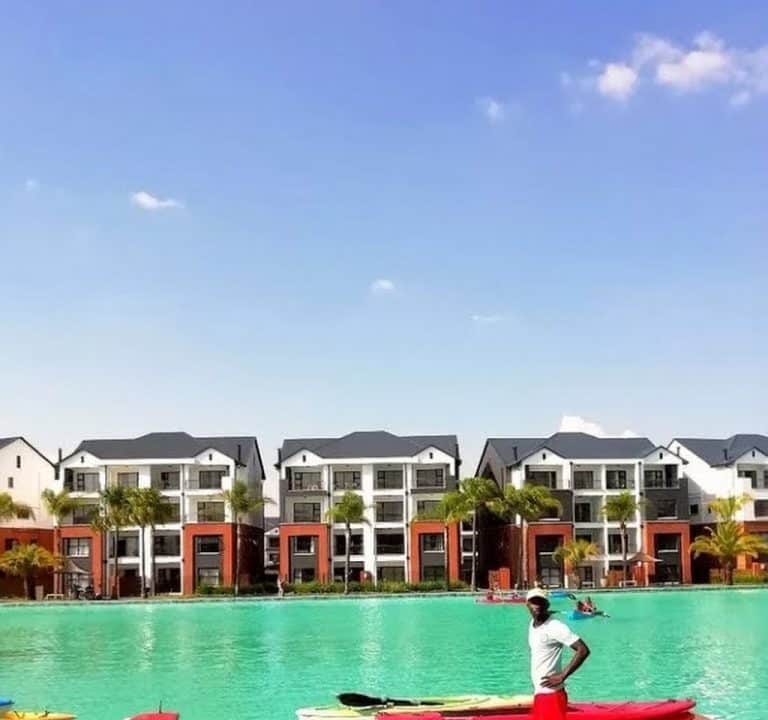
- Outdoor space and amenities: a pool or garden can be a relaxing retreat after a day’s sightseeing.
- Accessibility: ground-floor rooms, wide doorways, and lifts are worth checking if accessibility matters.
Practical planning tips help you maximise your stay. Booking mid-week can often secure better rates, and shoulder seasons tend to be comfortable in Pretoria’s climate, offering pleasant mornings and cooler evenings without peak-season crowds. If heat is a factor, plan outdoor sightseeing for early morning or late afternoon and choose accommodation with reliable air conditioning for daytime comfort.
Typical amenities you might expect in Pretoria’s accommodation range from guesthouses and boutique lodges to modern hotels and serviced apartments. Look for comfortable bedding, quiet rooms, and clear policies on check-in times and cancellation. A well-located option should balance proximity to attractions with access to safe, well-lit streets at night. Where possible, ask hosts or front desk staff about the best routes to local sights, dining precincts, and public transport hubs.
Transport within Pretoria is straightforward, though routes and schedules can vary. If you’re relying on public transport, choose lodgings near major bus corridors or within a short ride of a Gautrain station for day trips to neighbouring cities. For those renting a car, ensure your lodging provides secure parking and easy access to the N1 or M2 highways. Many guesthouses and lodges offer shuttle services or can arrange trusted local drivers, which can be a convenient option for evenings out or visits to outlying attractions.
Best time to visit Pretoria hinges on weather and personal preferences. Spring (September to November) brings mild temperatures and colour from jacaranda blooms, making outdoor touring particularly pleasant. Autumn (March to May) offers similar conditions with fewer crowds than peak summer months. Summer (December to February) can be hot and rainy, so mornings are the best windows for exploring, and a stay with a pool or air conditioning becomes more appealing. Winter (June to August) is cool and dry, ideal for long museum days, riverfront walks, and comfortable nights indoors.
Attractions and experiences in and around Pretoria are varied and accessible. Within the city, you’ll encounter historic museums, galleries, and memorials that illuminate South Africa’s past, alongside modern cultural venues and markets. For a balanced itinerary, pair a heritage morning with a relaxed afternoon at a park, garden, or nearby nature reserve. Dining options range from casual eateries to refined restaurants, many featuring contemporary African flavours and cosmopolitan influences. When planning meals out, you’ll find vegetarian, seafood, and meat-forward options across different neighbourhoods, with emphasis on fresh produce and seasonal ingredients rather than fixed price points or slogans.
To help you plan, it’s worth checking official tourism resources for up-to-date opening times and suggested routes. Websites for Gauteng tourism and Pretoria’s visitor information can provide practical guidance on day trips, such as nature reserves, viewpoints, and historical tours, as well as seasonal events. If you’re exploring beyond the city limits, consider a day trip to nearby natural or cultural attractions to diversify the experience without long travel times.
Finally, practical tips for a smooth stay: book accommodation with flexible cancellation where possible, verify the parking arrangements, and confirm the latest access details for your room or apartment. Bring a lightweight jacket for cooler evenings and a power adaptor suitable for South African sockets. With thoughtful planning, Pretoria offers comfortable stays, convenient transport, and a tapestry of experiences that showcase Gauteng’s rich urban and natural landscapes.