Durban, KwaZulu-Natal: Where to stay, what to do, and how to plan your visit
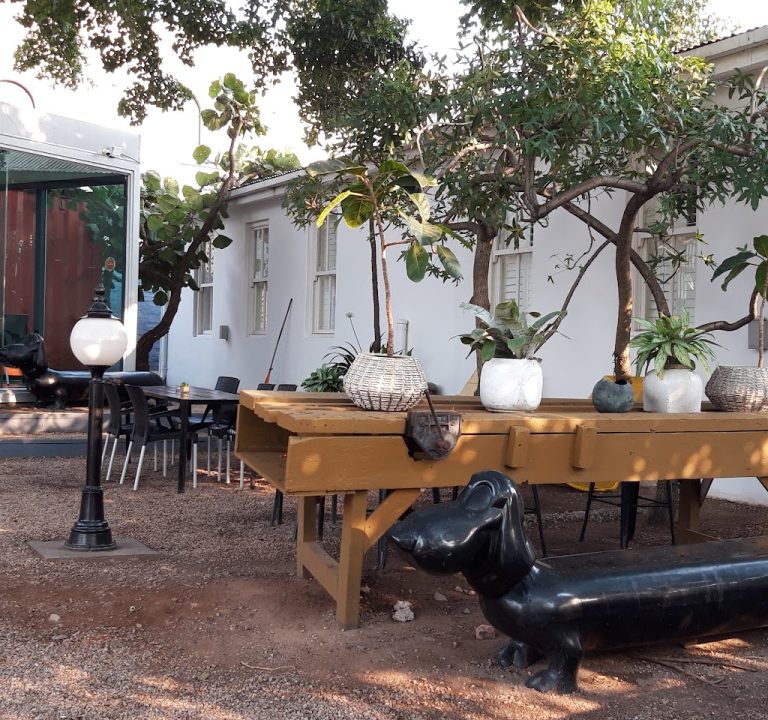
Durban combines a subtropical coastline, rich cultural experiences and a relaxed harbour city vibe, making it a compelling destination for a diverse range of travellers. When planning a stay, it pays to think about what you want from your break—beachside downtime, easy access to nature, or a hub from which to explore the wider KwaZulu-Natal region. Durban’s lodgings range from coastal guesthouses and family-run B&Bs to contemporary city hotels and lodge-style retreats, including stand-out options such as TDK Lodging, a lodge-style choice that embodies warm Durban hospitality.
Where to stay is often guided by how you’ll get around. The beachfront precincts along the Golden Mile and nearby suburbs offer easy access to sandy shores, promenades and a lively dining scene, while central and northern areas provide convenient links to business districts, markets, and cultural venues. If you prefer a tranquil base with a quick drive to wildlife experiences or regional parks, consider a lodge or guesthouse in the inland or northern outskirts. Durban’s suburbs each have their own character—from leafy residential streets to modern, buzzy lanes lined with cafés and shops.
When choosing accommodation, look for a few core features that will make your stay smoother. A reliable check-in process, clear policies on parking and guest access, and a host who can offer local tips are worth prioritising. In terms of on-site amenities, many Durban lodgings now offer free Wi-Fi, a comfortable breakfast option, secure parking, and guest lounges. Some properties may provide pool facilities, braai (barbecue) areas, and garden spaces—perfect for family trips or longer stays. For business travellers or longer visits, note options like workspaces or quiet corners in common areas. If you’re travelling with children, ask about family rooms or suites and easy access to child-friendly entertainment nearby.
Practical planning tips to help you get the most from your stay:
- Transport: While Uber and other ride-hailing services operate in Durban, renting a car offers the most flexibility for exploring the city and surrounding areas. The MyCiTi bus network serves key routes, including beachfront and central destinations, and can be a cost-effective option for urban day trips.
- Best time to visit: Durban enjoys a warm climate year-round, with peak beach season from late spring to early autumn. The wetter season brings tropical showers, but it can also produce lush landscapes and vibrant greenery. Pack sun protection, light layers, and a waterproof layer for potential rain bursts.
- Safety and accessibility: As with any city, plan journeys for daylight hours where possible, keep valuables secure, and use reputable transport options. If you’re staying in a lodge or B&B, the host can often assist with safe neighbourhood guidance and day trip ideas.
- Connectivity and planning: Check if your accommodation can arrange airport transfers or provide local maps and recommended walking routes. Consider a day-by-day plan that blends downtime on the seafront with visits to cultural districts and markets.
- Food and dining: Durban’s dining scene reflects its coastal location and diverse communities. Expect a spectrum from traditional seafood dishes and South African favourites to modern, globally inspired menus. If you’re unsure where to start, ask your host for nearby eateries that offer comforting meals and options for different dietary needs.
Beyond the accommodation, there are ample experiences to enrich your Durban stay. Coastal walks along the long golden beaches are ideal at sunrise or late afternoon, with opportunities to dip in warm Indian Ocean waters. Inland, nature lovers can explore forested hills and viewpoints, while city explorers can wander vibrant neighbourhoods with markets, galleries and music venues. Families might enjoy water-based attractions and interactive exhibits housed within modern leisure precincts at a comfortable pace. For food lovers, a mix of casual eateries and refined dining spaces showcases the region’s coastal produce, spices and influences from across Southern Africa.
When it comes to practical booking considerations, aim to secure accommodation with flexible cancellation policies during uncertain travel periods. Read guest reviews focused on cleanliness, service, and accuracy of listing descriptions, and don’t hesitate to ask hosts for clarification on room layouts or accessibility. If you’re planning a multi-night stay, consider a location that halves travel time between beaches, nightlife, and cultural spots. A well-chosen base can make day trips to nearby coastal towns or inland forests straightforward and enjoyable.
Planning resources can help you refine your itinerary. Local tourism sites offer practical guidance on seasonal events, open-air markets, and family-friendly activities. For further inspiration, you can browse hotel and lodge pages that emphasise guest comfort, sustainable practices, and local partnerships. Durban’s hospitality scene continues to evolve, with new accommodation styles and experiences that aim to suit a wide range of travellers. For more ideas and practical planning, visit the city’s official visitor information pages and reputable travel guides.
In sum, Durban offers a warm, accessible gateway to KwaZulu-Natal’s coast and hinterland. With careful choices about location, amenities, and transport, you can enjoy comfortable accommodation, easy access to beaches and city sights, and a pace of travel that suits your mood—whether you seek restful seaside days, cultural immersion, or adventure in nearby landscapes. For more ideas on places to stay and things to do, explore Durban’s welcoming hospitality scene and start shaping a memorable coastal break.