Durban: accommodation, attractions and planning a stay
Durban sits on the eastern coast of South Africa, where subtropical beaches, rolling hills and a vibrant cultural scene converge. For travellers seeking a relaxed yet diverse stay, the city offers a range of guest houses, boutique hotels and mid‑range lodges that balance comfort with convenient access to highlights along the Golden Mile, the harbour precinct and the leafy inland suburbs. When planning a visit, think about which area best suits your interests, your pace and how you want to move around.
Areas to consider include the beachfront promenade, where many guest houses enjoy sea views and easy access to the water, promenade walks, and a lively dining scene. The central business district and the historic suburb of Morningside are popular for travellers who prefer a short taxi ride to key sights while staying in more residential streets. If you want a quieter base with close proximity to nature, consider Hillcrest or the northern suburbs, where guest houses and lodges often sit on quieter roads with easy connections to the mountains and forest reserves.
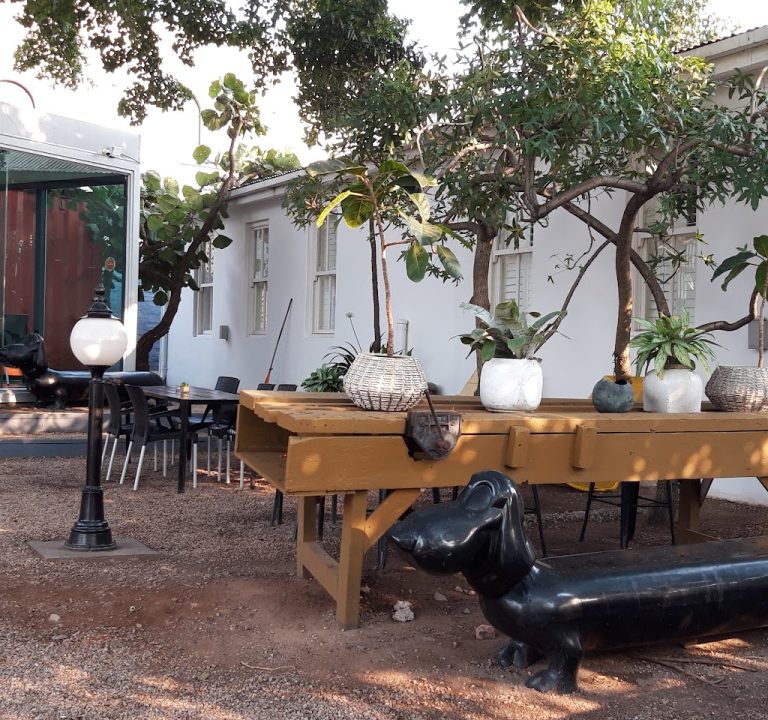
When choosing accommodation, look for a balance of comfort, character and practicality. In Durban, typical amenities to expect include secure parking or convenient access to transport, air‑conditioning or fans for humid summer nights, reliable Wi‑Fi, en‑suite bathrooms, and options such as light self‑curnished breakfasts or served meals. Some properties offer curated experiences, such as guided neighbourhood walks or restaurant recommendations. For Hilltop Manor and similar guest houses, you may find a more intimate setting with personalised touches, a compact garden or veranda, and an informal, friendly atmosphere that helps you settle in quickly.
Transport is a practical consideration. Durban is well served by taxis, ride‑hailing services, and a growing network of bus routes along the coast. If you plan day trips to the surrounding countryside or wildlife reserves, check whether your accommodation can arrange airport transfers, driver‑guided tours, or shuttle services. Renting a car gives you maximum flexibility for exploring the inland areas, including the Valley of a Thousand Hills and satellite towns, while walking or cycling along coastal paths is enjoyable for shorter hops and meals by the sea.
Best time to visit Durban depends on what you want from the stay. The city enjoys warm, subtropical weather most of the year, with peak beach season in the southern hemisphere summer. Winter is mild and dry, a pleasant time for sightseeing and outdoor dining. The warmer months can bring higher humidity and sudden showers, so pack light layers and a compact waterproof layer. If you’re chasing quieter streets and easier reservations, shoulder seasons often offer good value and more availability in popular guest houses and boutique hotels.
Practical planning tips help you make the most of a Durban visit. Start by listing your priorities: beach days, mountain scenery, cultural experiences, or foodie finds. Read recent guest reviews to understand the character of a property—some offer a calm, residential ambience, while others are lively hubs with quick access to nightlife. When booking, verify bed types, whether rooms are en‑suite, and the availability of amenities such as tea and coffee making facilities, a communal kitchen, or on‑site dining. If you’re sensitive to heat, confirm air‑conditioning or ceiling fans for the warmer months. Consider the neighbourhood’s safety, proximity to the attractions you want to visit, and how easy it is to reach public transport or parking options at the property.
Durban’s attractions span natural beauty, culture and cuisine. You can enjoy long beach walks along the coastline, a visit to well‑maintained botanical gardens or reserves on the hills, and scenic drives through subtropical landscapes. The harbour area often blends historic industrial heritage with modern dining and entertainment, while inland pockets offer craft markets, galleries and heritage architecture. Dining around Durban tends to emphasise fresh seafood, Indian‑influenced flavours and a fusion of coastal and inland influences; expect vibrant restaurants where you can sample regional staples and seasonal dishes without committing to a particular cuisine. For a relaxed city‑break feel, look to flexible itineraries that combine a morning by the sea with an afternoon stroll through leafy streets, followed by a convivial dinner in a surrounding neighbourhood.
- Consider a guest house or boutique hotel that offers central loading or easy access to a taxi or ride‑hailing services for evenings out.
- Check if breakfast is included and whether there are options for flexible dining plans if you want more self‑catering in the morning.
- Acknowledge the climate: pack light clothing for day and a compact layer for cooler evenings near coastal breezes or higher elevations.
- Look for properties with a clear cancellation policy and a transparent description of parking or lift access if needed.
For a sample stay in Durban, you might encounter a guest house like Hilltop Manor, a property described as a guest house option in the area. It can offer a home‑from‑home atmosphere with a personalised approach, convenient transport access and a welcoming environment for travellers exploring the region. If you are researching places to stay, you can visit the property’s official site or trusted booking platforms for one‑stop information on rooms, rates and current availability. A general tip is to cross‑check the location on a map to understand proximity to beaches, parks, markets and dining districts, ensuring your daily plans stay flexible and enjoyable.