Where to Stay and What to Do in Cape Town: A Guide to Accommodation, Attractions and Dining
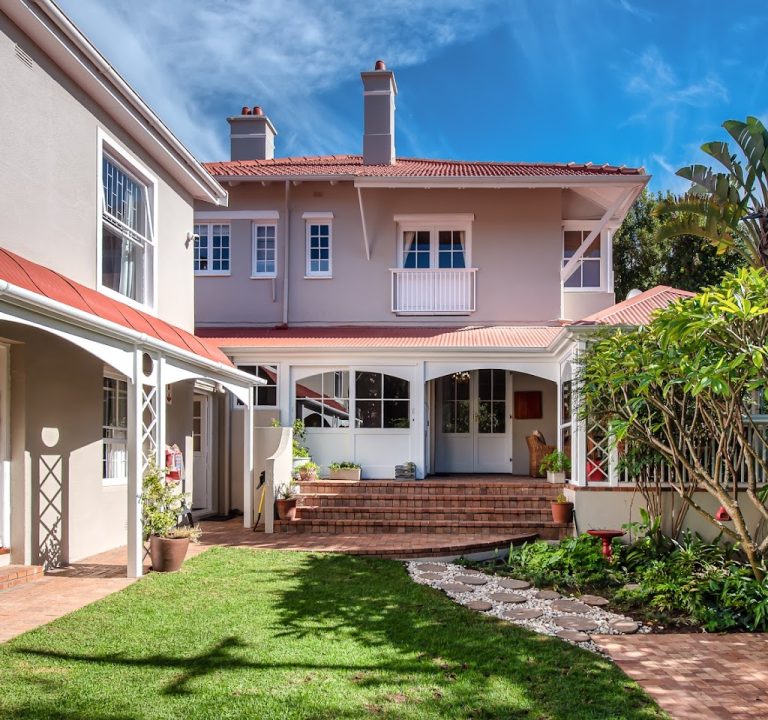
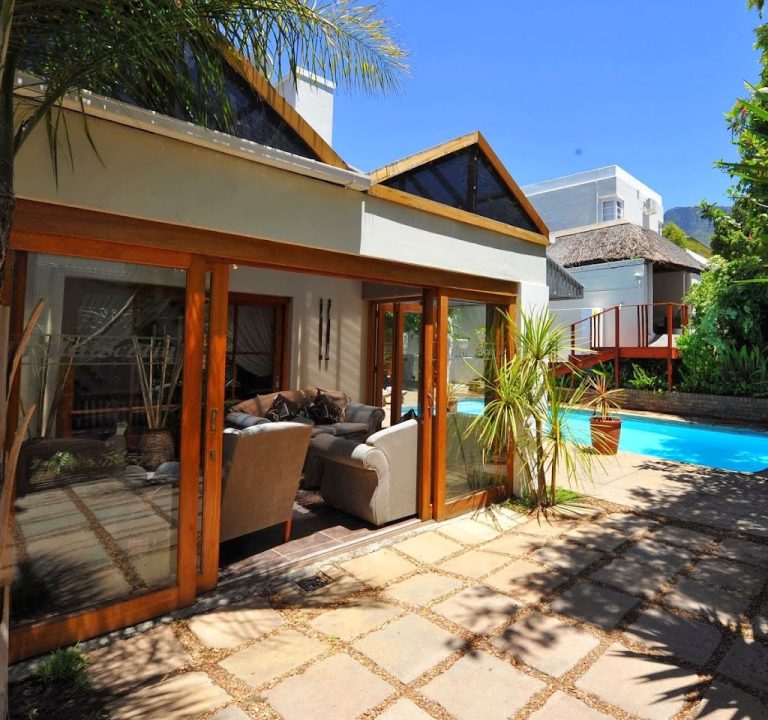
Cape Town, in the Western Cape of South Africa, offers a rich mix of landscapes, from dramatic coastlines and golden beaches to scenic winelands and bustling city streets. When planning a stay, consider a neighbourhood that aligns with your priorities—easy access to iconic sights, a relaxed seaside vibe, or a chic urban scene. Accommodation ranges from charming bed & breakfasts to boutique hotels and guesthouses, each with its own flavour and guest services. For a personalised option, a well-regarded bed & breakfast such as T House provides a home-from-home feel with breakfast in the morning and a focus on hospitality, often set in a leafy suburb with convenient transport links. You can explore options and book through reputable platforms, including dedicated listing sites that connect travellers with local hosts.
Areas to consider include:
- City Bowl and the Central City: Close to museums, cafés, and the historic Bo-Kaap, with easy access to MyCiTi buses and rideshare apps.
- Atlantic Seaboard (Green Point, Sea Point, Camps Bay): Easy access to the coast, oceanfront walks, and stunning sunset views, with many stylish guesthouses and boutique hotels.
- Constantia and the Southern Suburbs: Known for leafy streets, wine estates, and tranquil stays, ideal for a slower pace and day trips to the Cape Winelands.
- Lakeside and nearby suburbs: Quieter residential areas offering B&Bs and guesthouses with personalised service and breakfast options.
- Cape Town Harbour and Waterfront precinct: A hub of activity, restaurants, and access to harbour cruises and boat trips.
What to look for when booking is as important as the room itself. Consider the following:
- Amenities: Free Wi‑Fi, on-site parking, secure access, daily breakfast, tea and coffee facilities, and dedicated workspace if you’re travelling for business or planning to work remotely.
- Room configuration: En‑suite bathrooms, views, balcony access, and whether rooms are designed for couples, families, or longer stays with self‑catering facilities.
- Public spaces: Comfortable lounges, outdoor terraces, or gardens where you can relax after a day of exploring.
- Proximity to transport: Proximity to MyCiTi bus routes, major roads, and easy access to the V&A Waterfront, Table Mountain, and coastal paths.
- Safety and security: Well-lit streets, safe parking, and reliable host guidance on local safety tips and routes.
Typical amenities you can expect in Cape Town stays include a hearty breakfast using seasonal, local ingredients; reliable Wi‑Fi; private or shared lounges; tea and coffee provisions; and tactile touches like fresh towels, quality bedding, and thoughtful local recommendations. Many hosts can assist with arranging activities such as a wine-tasting day in nearby valleys, a guided township tour with safety guidance, or a scenic cable car ride up Table Mountain when conditions permit.
Planning your stay also means thinking about transport and getting around. In Cape Town, the MyCiTi bus network is a convenient option for travellers staying in central areas or the Atlantic Seaboard. Uber and other rideshare services are widely available, and hiring a car is a practical choice if you plan to explore beyond the city’s core, such as the Cape Point reserve, Constantia Valley, or the Cape Winelands. For those preferring a relaxed approach, many guesthouses offer shuttle services or can arrange trusted transfers to and from the airport or major sights.
The best time to visit Cape Town depends on what you want to experience. The late spring and summer months (October to March) bring longer days, warmer seas, and a lively outdoor scene, ideal for beaches, coastal walks, and harbour activities. Autumn (April to May) is quieter with mild, pleasant weather, making it a good shoulder-season option for those seeking a calmer pace and good value. Winter (June to August) can be cooler and windier, but it is also a season for dramatic skies, fewer crowds, and excellent conditions for nearby wine tastings and indoor cultural visits. Always check local conditions, as sea breezes and mountain weather can change quickly, particularly around Table Mountain and the Atlantic coast.
When it comes to experiences and dining, consider a mix of iconic and relaxed options. Cape Town’s restaurant scene ranges from modern, tasting-menu establishments to casual seafood shacks and stylish cafés. Beyond meals, there are plenty of experiences that suit varied interests: a guided coastal walk or hike along the Atlantic cliffs, a visit to a modern art gallery or historic house museum, a trip to the nearby Cape Winelands for a day of wine tastings and vineyard lunches, and harbour cruises that let you see the waterfront from the water. For families and groups, easy day trips to nature reserves or a penguin colony along the coast offer memorable outings without requiring long travel times from the city base.
Practical tips for a smooth stay:
- Pack layers and a light rain jacket; Cape Town weather can change quickly, especially near the coast and on Table Mountain.
- Bring comfortable walking shoes for uneven pavements, waterfront promenades, and nature trails.
- Respect local safety guidelines and be mindful of your belongings in busy areas and at popular sights.
- Reserve popular activities in advance during peak seasons, then enjoy flexible days for spontaneous discoveries.
- Check the accommodation’s cancellation policy and the neighbourhood’s safety and traffic patterns to plan timely arrivals and departures.
For further inspiration and to begin planning your stay, visit trusted accommodation platforms that offer verified listings and detailed host information, including options like bed & breakfasts with a regional focus. You can explore a curated listing here: T House – Cape Town. This can help you assemble a balanced itinerary that blends restful nights with vibrant days in one of the world’s most diverse and welcoming cities.