Accommodation and Getting the Most from a Stay in Cape Town
Cape Town blends dramatic scenery with a lively cultural scene, making it a destination that rewards thoughtful planning when it comes to lodging and activities. Whether you favour a bright harbour view, a quiet garden neighbourhood, or a hillside retreat with easy access to table-top adventures, there are options to suit a range of budgets and travel styles. This guide offers practical tips for choosing where to stay, what to look for in a booking, and how to make the most of your time in the Mother City and its surrounds.
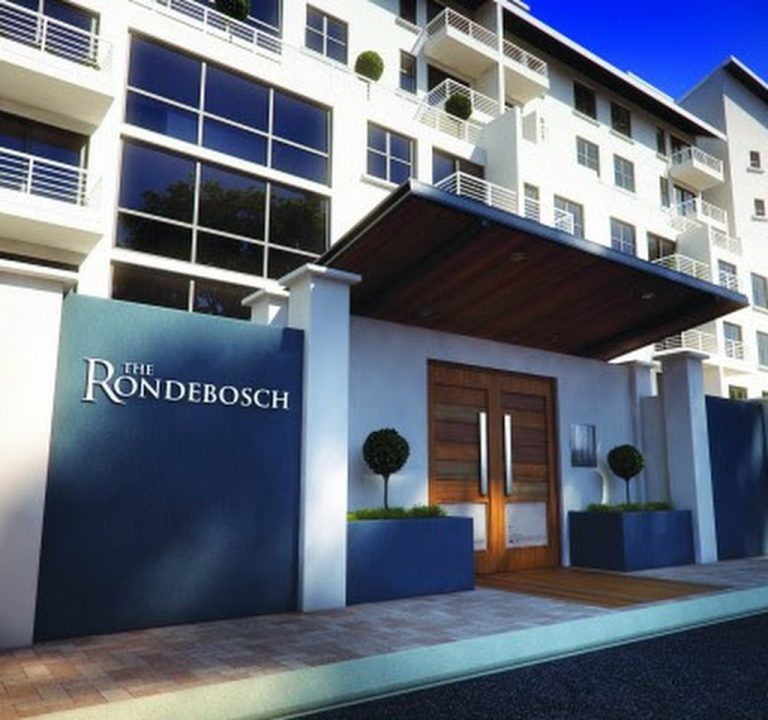
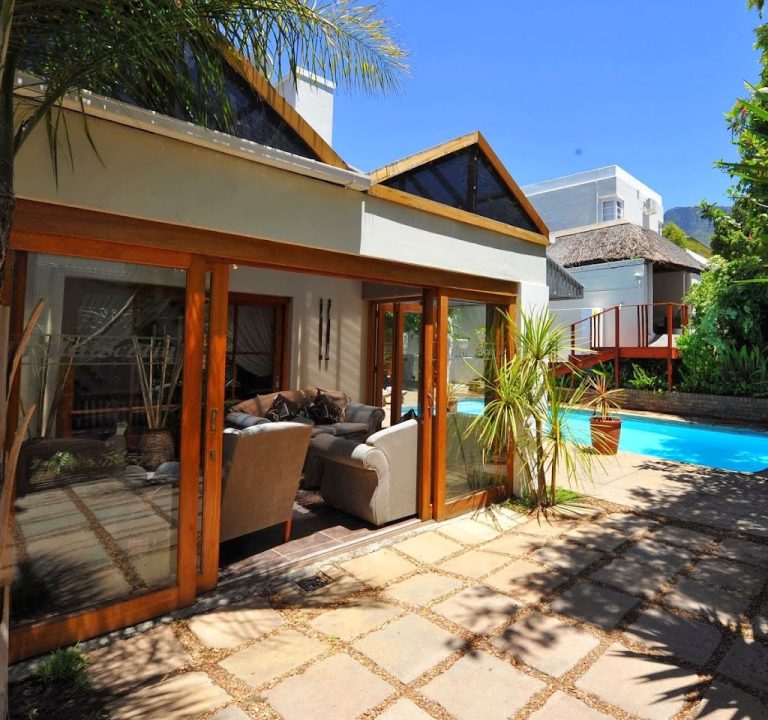
One example of a contemporary lodging option is Stylish Gem – The Rondebosch. Located in the leafy southern suburbs, it illustrates how guest rooms and small lodgings can combine comfort with convenient access to both the city centre and the peninsula’s dramatic coastline. Visitors can explore flexible stays, with easy website access for enquiries and reservations. For many travellers, staying slightly away from the very centre can offer a calmer base, while still remaining within reach of major sights and day trips.
Areas to consider when planning your stay include the following:
- City Bowl and the central business district: walkable, vibrant, and close to museums, markets, and dining hubs.
- V&A Waterfront and the Green Point/Cape Town Stadium area: harbour views, strong transport links, and easy access to coastal walks and ferries.
- Atlantic Seaboard (Sea Point, Bantry Bay, Camps Bay, Clifton): coastal scenery, sunny beaches, and a short drive to the city centre.
- Southern Suburbs (Rondebosch, Newlands, Kenwyn): residential charm, leafy streets, and proximity to Table Mountain’s eastern approaches.
- Constantia and nearby valleys: quieter, wine country vibes with large properties and garden settings.
When choosing accommodation, consider the following common features and what they mean in practice:
- En-suite bathrooms and good quality bedding for comfort after long days of exploring.
- Wi‑Fi availability, desk space, and charging facilities for travellers who need to stay connected.
- Self-catering options or kitchen facilities for flexibility, particularly for longer stays or family groups.
- Secure parking or easy access to public transport, which can be important given Cape Town’s geography.
- Accessible rooms if required, and pet-friendly policies where applicable.
Transport across Cape Town is practical, though plans can vary with the geography of the area. The MyCiTi bus network offers routes between the city and many suburbs, and certain coastal routes connect the inner city with the Atlantic Seaboard. For day trips beyond the city, a hired car provides the most flexibility, especially for visits to wine routes, nature reserves, and the Cape Point peninsula. If you prefer not to drive, some hotels and guesthouses can arrange transfers or guided tours, helping you to maximise sightseeing time without the hassle of navigation.
The best time to visit Cape Town depends on what you want from your trip. The peak summer months bring warm, dry days ideal for outdoor activities and beaches, while spring and autumn offer milder conditions and quieter streets. Winter can be cooler and occasionally rainy, but it also opens opportunities to see lush scenery and enjoy crowd-free attractions. Planning around school holidays, shoulder seasons, and local events can help you secure good lodging rates and a calmer travel experience.
Practical planning tips for booking and staying in Cape Town:
- Book early for popular areas, especially during peak season or around major events to avoid limited options or higher prices.
- Consider a layered approach to lodging: a comfortable base in a well-connected neighbourhood, with options for day trips to the surrounding wine regions and nature reserves.
- Check cancellation policies and whether the property offers flexible dates, particularly for longer stays or itineraries that may change with weather or logistics.
- Review nearby dining possibilities, markets, and casual eateries to enhance the full travel experience without needing excessive transit.
- Be mindful of safety considerations and local guidance; choose properties with good security features and clear local information in advance.
When it comes to attractions and experiences, Cape Town offers a broad spectrum of possibilities that can be enjoyed with varied pacing. Iconic landscapes frame outdoor adventures such as coastal walks, cable car rides up a famous peak, scenic viewpoints, and easy trail routes. Cultural highlights range from galleries and historic neighbourhoods to vibrant markets and contemporary eateries offering regional flavours. Coastal towns nearby provide additional options for day trips, while a drive through the surrounding valleys reveals gardens, grand estates, and wine-tasting opportunities. Dining ranges from casual seaside spots to refined eateries showcasing South Africa’s diverse culinary influences; many venues emphasise seasonal ingredients and sustainable sourcing.
For a well-rounded stay, plan a mix of activities that align with your interests and energy levels. A balanced itinerary might include a light day exploring a neighbourhood, a half- or full-day excursion to a natural or cultural site, and an evening in a locale known for its food and atmosphere. With the right lodging as a base, you can experience Cape Town’s remarkable setting, engaging culture, and memorable dining in a way that feels relaxed and manageable.