Staying in Pimville, Gauteng: where to stay, what to do and how to plan your visit
Pimville, a vibrant neighbourhood within the wider Soweto area of Gauteng, offers a rich blend of history, culture and modern local life. When planning a stay here, think beyond the traditional hotel model and consider a mix of accommodation types that reflect the character of the community. Options range from compact student residences and guesthouses to more contemporary lodges and family-friendly stays. Each can provide a different lens on Pimville and easy access to Soweto’s iconic experiences.
Areas to consider when booking include central Pimville itself, which puts you within easy reach of local markets, street-food hubs and everyday life. If you prefer a quieter base while remaining well connected to the main thoroughfares, look for lodges or guesthouses on nearby streets that still offer straightforward access to taxi routes or rideshare services. For visitors seeking longer stays, serviced apartments or indoor student lodgings can provide practical amenities such as kitchen facilities, laundry services and workspaces, making it easier to balance exploration with daily routines.
What to look for when booking is as important as the stay itself. Check for the following:
- Proximity to transportation: easy access to major roads, bus routes or taxi hubs helps you explore Soweto and Johannesburg with less stress.
- Safety features: gated entrances, secure parking and well-lit common areas contribute to peace of mind.
- Amenities that fit your plans: self-catering facilities, reliable Wi-Fi, sufficient storage and on-site parking can make a big difference for longer visits.
- Guest reviews and host responsiveness: recent feedback often highlights the practicalities that matter day-to-day, from cleanliness to check-in processes.
- Access to local information: properties run by locals or with good knowledge of Pimville can offer valuable tips for authentic dining, markets and events.
Typical amenities you might expect include comfortable bedding, clean en-suite or shared bathrooms, and secure entry. Some places offer breakfast options, either as a self-serve setup or a simple home-cooked spread, while others allow you to cook in a communal kitchen. If you’re travelling with a larger group or family, look for family-friendly layouts or apartments with separate living spaces. For business travellers or students, dedicated workspaces, accessible power outlets and quiet corners can make a significant difference to your stay.
Transport in Pimville and the greater Johannesburg area is well served by a combination of informal taxi networks, bus services and ride-hailing apps. Many accommodation options in Pimville are within a short ride of main transport corridors, making day trips to Soweto’s museums, markets and historic sites convenient. If you plan to explore beyond the immediate neighbourhood, consider staying near a major transport hub or in a location with straightforward routes to the central business district or other parts of Johannesburg.
The best time to visit Pimville depends on what you want from your trip. The climate in Gauteng features warm summers and mild winters, with most rainfall in the summer months. If you’re seeking outdoor experiences and markets, late spring (October to November) and autumn (March to May) typically offer pleasant weather and comfortable sightseeing conditions. If you’re aiming to avoid peak heat, winter mornings can be crisp but clear for walking tours or street photography. Be mindful of local events or school holidays, as these can influence crowd sizes and accommodation availability.
Within Pimville and nearby areas, you’ll encounter a range of attractions and experiences that align with a traveller-friendly itinerary. Expect historic and cultural insights available through township tours and museum displays, alongside vibrant markets and casual eateries that showcase pan-African flavours. A stay here can naturally lead to delving into the social fabric of the area, with opportunities to observe daily life, enjoy traditional snacks, and explore crafts and fashion. For dining, look for casual spots and family-run venues offering a mix of home-style cooking and modern twists. In general terms, you’ll find places that emphasise value, community spirit and a welcoming atmosphere, rather than tourist traps with fixed menus and rigid timings.
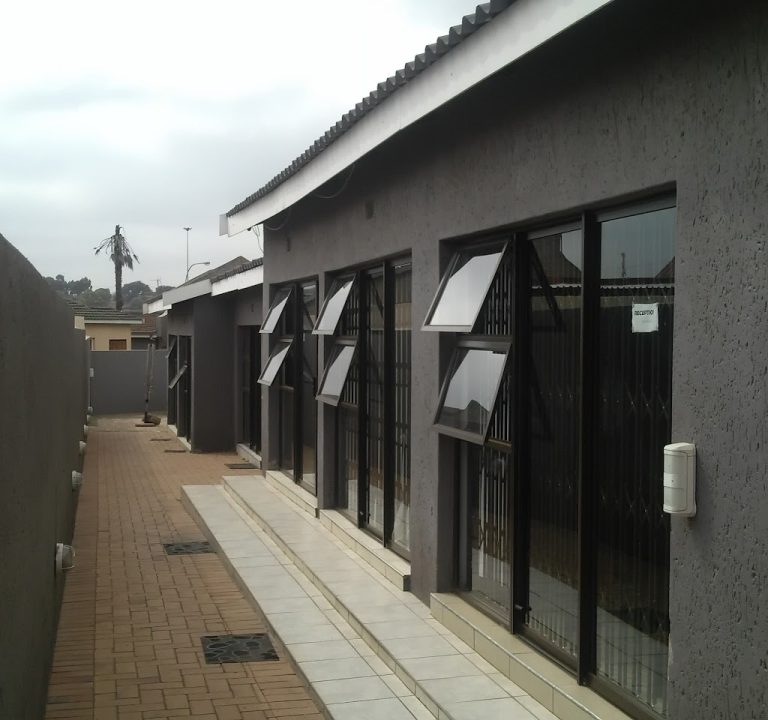
For accommodation options with a practical edge, one example is the Sydney Z. Student Residence, a venue described as indoor lodging that can offer a compact, self-contained stay suitable for shorter visits or longer study-related trips. If you’re curious about such options, you can explore further details on the property’s dedicated page or contact hosts through the listing platforms. When assessing a stay at a student residence or similar indoor lodging, consider how common areas are maintained, what kind of social spaces exist for travellers, and whether there are flexible check-in arrangements to accommodate travel plans.
Practical planning tips:
- Book with some lead time to secure a base that suits your pace—whether you want a lively neighbourhood feel or a quieter corner that’s still well connected.
- Pack light but versatile clothing for warm days and cooler evenings, and bring a universal adaptor for South Africa’s power outlets.
- Always have a plan for airport or rail transfers, and confirm the best local routes to your accommodation before arrival.
- Engage with hosts or property managers about local eateries, markets and short guided experiences to enrich your stay.
In summary, Pimville offers a welcoming blend of practical lodging options and immersive local experiences. By choosing a thoughtfully located base, prioritising essential amenities, and planning transport in advance, you can enjoy a comfortable, authentic stay in one of Johannesburg’s most storied townships. A well-planned visit can blend relaxed downtime with opportunities to glimpse the everyday life and culture that make this corner of Gauteng memorable.