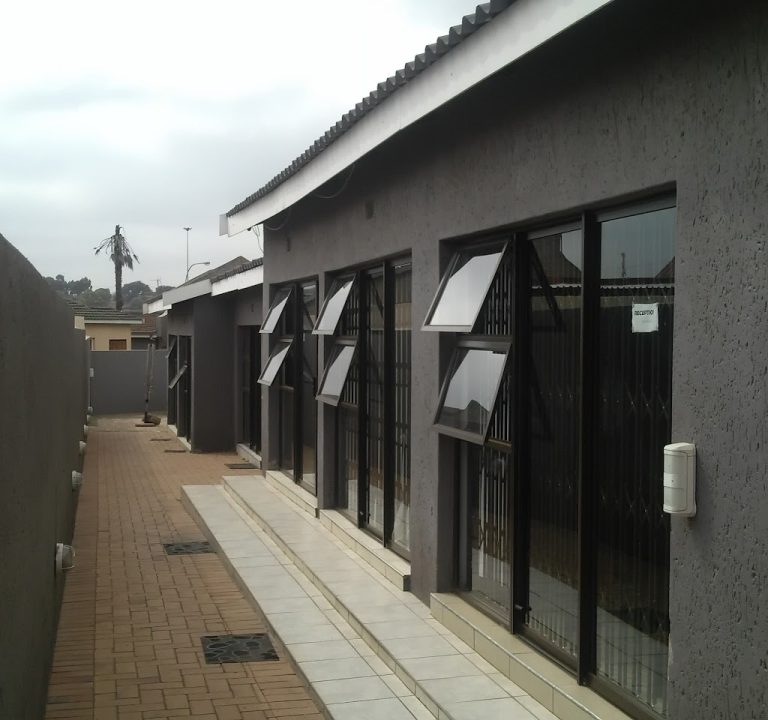
Accommodation and Getting to Sleep Well in Pimville, Gauteng: A Practical Guide
Pimville, a vibrant neighbourhood in the southern part of Johannesburg’s expansive Soweto area, offers a welcoming mix of homestays, guesthouses and lodges that provide a genuine sense of local life. While staying here, visitors can expect warm hospitality, easy access to culture and history, and a relatively affordable base from which to explore the wider region. When planning a stay in Pimville, consider both the character of the area and the practicalities of daily travel, comfort and safety.
Accommodation in Pimville often centres on small-scale guesthouses and homestays that highlight personal service and locally prepared breakfasts. These properties tend to emphasise comfort, practical amenities, and a friendly, relaxed vibe rather than luxury credentials. If you value intimate, community-minded stays, Pimville can be especially appealing. For a longer visit, many hosts offer flexible check-in arrangements and helpful local tips to get you started with your Soweto experience.
When choosing where to stay, think about a few key factors. Proximity to the places you plan to visit, ease of transport, and the character of the neighbourhood matter just as much as bed and bathroom standards. Some parts of Pimville may be quieter and more residential, while others pulse with street markets, small eateries and busier arteries. If you want to savour evenings out, you might prefer a location with a short stroll to local cafés or informal eateries, while for early starts a quieter street might suit you better.
Typical amenities you can expect in Pimville guesthouses and homestays include comfortable beds with clean linens, private or en-suite bathrooms, daily housekeeping on request, and a shared or private lounge area. Many hosts offer homemade breakfast, and you may have the option to arrange other meals. Free Wi-Fi is common, as are essentials such as towels, a small wardrobe or hanging space, and adequate lighting for reading or planning your day. A few properties may provide secure off-street parking, which can be a welcome convenience if you’re renting a car or travelling with a driver or tour guide.
Booking wisely helps you balance value with the experience you want. Read recent guest reviews to gauge consistency, check whether the listing clarifies check-in times and any house rules, and confirm what is included in the rate (breakfast, parking, safekeeping of valuables, accessibility). Look for hosts who respond promptly and provide clear directions and local tips. If you have mobility needs or dietary requirements, flag these early to ensure the accommodation can meet your needs. A clear cancellation policy is also useful in case plans change during your stay.
Transport is a practical consideration in Pimville. If you plan to self-drive, you’ll want to confirm parking arrangements and any access restrictions. For others, consider staying near major thoroughfares or transport hubs where local taxis and ride-hailing services are readily available. Johannesburg is well connected by road to Soweto’s broader network of attractions, but travel times can vary with traffic. If you prefer public transport, you can typically access local bus routes or rail services that serve the Soweto and greater Johannesburg area, though schedules can be less predictable than in more central zones. Having a rough daily plan and a rough sense of travel times helps you maximise your time without getting stranded at peak hours.
The best time to visit Pimville and Soweto more broadly is subject to weather comfort and event calendars. The southern African climate offers warm summers with outstanding daylight hours, making it ideal for outdoor markets, lively street scenes, and guided heritage walks. Winter is milder and drier, often a good time for city sightseeing with less humidity and comfortable walking weather. If you’re aiming to catch seasonal happenings or market days, check local listings ahead of your trip, but be prepared for occasional regional variations in weather. Pack layers, sun protection, and a light waterproof layer for late afternoons when showers can occur unexpectedly.
When it comes to planning activities, you’ll find that Pimville serves as a gateway to Soweto’s rich story. You can explore heritage sites, museums, and open-air markets where skilled artisans and vendors sell crafts, handmade goods and regional foods. For meals, broader Soweto offers a range of casual eateries and family-run spots where you can sample traditional flavours in a relaxed setting. Rather than focusing on individual venues, look for places described by locals as authentic, affordable and welcoming, with dishes or snacks that reflect the local palate and ingredients.
- Choose accommodation with clear check-in times and direct contact details for the host
- Check for breakfast options, Wi‑Fi quality, and whether parking is available
- Confirm accessibility and whether the property is suitable for your mobility needs
- Plan a mix of independent exploring and guided experiences to understand Soweto’s history
Practical tips for a smooth stay include carrying a small amount of local currency for market purchases, keeping valuables secure, and coordinating with hosts about day trips or recommended routes. If you’re new to the city, consider booking a guided walk or a community-led tour to gain context and support local initiatives. Finally, respect local customs and neighbourhood norms, particularly in residential areas, and you’ll find Pimville a welcoming and characterful base from which to discover Gauteng’s rich urban tapestry.