Cape Town: a guide to accommodation, attractions and planning your stay
Cape Town sits on the Atlantic coast of the Western Cape, offering a striking blend of natural beauty, maritime heritage and cosmopolitan neighbourhoods. When planning a stay, travellers often look for accommodation that places them near memorable sights while providing easy access to transport links and dining options. From clifftop hotels with ocean views to cosy guesthouses tucked into leafy suburbs, there are options for every budget and preference.
One practical starting point is to choose a neighbourhood that matches your itinerary. The V&A Waterfront area is ideal for first‑time visitors who want convenient access to waterfront promenades, museums and a wide range of eateries. Camps Bay and Clifton are popular for dramatic coastline views and sunset scenes, while Green Point and the City Centre offer walkability, great cafés and close proximity to markets and cultural attractions. Constantia is a contrasting choice for those seeking tranquil wine estates and garden routes on day trips. If you’re travelling with family or prefer quieter streets, suburban guesthouses and boutique hotels in the southern suburbs can provide a relaxed base with easy access to the city’s southern beaches and nature reserves.
When booking accommodation, consider a few practical factors. Look for options with secure parking or easy access to public transport, especially if you plan to explore beyond the immediate area. Many hotels and guesthouses in Cape Town offer complimentary Wi‑Fi, air conditioning for warmer months, and flexible check‑in arrangements. If you’ll be renting a car, confirm whether on‑site parking is available and whether the property is set up for easy entry and egress on busy coastal roads. For those reliant on public transport, proximity to bus routes, MyCiTi stations or rail links can save time and reduce the need for rideshares during busy periods.
Typical amenities to prioritise include a comfortable bed quality, adequate storage, a well‑equipped bathroom, and a reliable hot water supply. A light kitchen space or access to a communal kitchen can be beneficial for longer stays or travellers with dietary preferences. Shared facilities, such as lounges or outdoor terraces, can enhance social interactions and provide resting spaces after busy sightseeing days. Hosting standards vary, so reading recent guest reviews can help you gauge consistency in cleanliness, service, and safety. If you have specific needs—such as accessibility features, family rooms, or early breakfast options—flag these in advance with the property manager or booking platform.
Transport in Cape Town is varied and efficient if planned thoughtfully. The MyCiTi bus network offers affordable routes across many parts of the metropolitan area, while Uber and other ride‑hailing services operate widely. Given the city’s geography, a mix of walking and short drives is common, so choosing a base near public transport or with easy access to main roads will pay off on busy days. If you plan day trips to the Cape Peninsula, Cape Point, or the Cape Winelands, a rental car can provide flexibility, though many guided tours and day trips also operate from central locations for visitors who prefer not to drive.
Best time to visit depends on your priorities. The summer months (roughly November to February) offer long days, warm sea temperatures and busy beaches, ideal for sunbathers and outdoor enthusiasts. Spring and autumn (September to November and March to May) bring mild weather, fewer crowds and excellent hiking conditions, while the winter period (June to August) is cooler and wetter but offers dramatic coastal scenery and lower accommodation rates in many areas. Always check local event calendars, as major festivals or markets can influence availability and prices.
When crafting your itinerary, think balance. Mix outdoor adventures—such as hiking Table Mountain or visiting Kirstenbosch National Botanical Garden—with cultural experiences, museums and a stroll through historic districts. You’ll find a range of eateries to suit different budgets, from casual seaside shacks serving fresh seafood to refined bistros and global cuisines in city‑centre neighbourhoods. In general terms, Cape Town’s dining scene rewards advance reservations for popular spots, particularly in peak season.
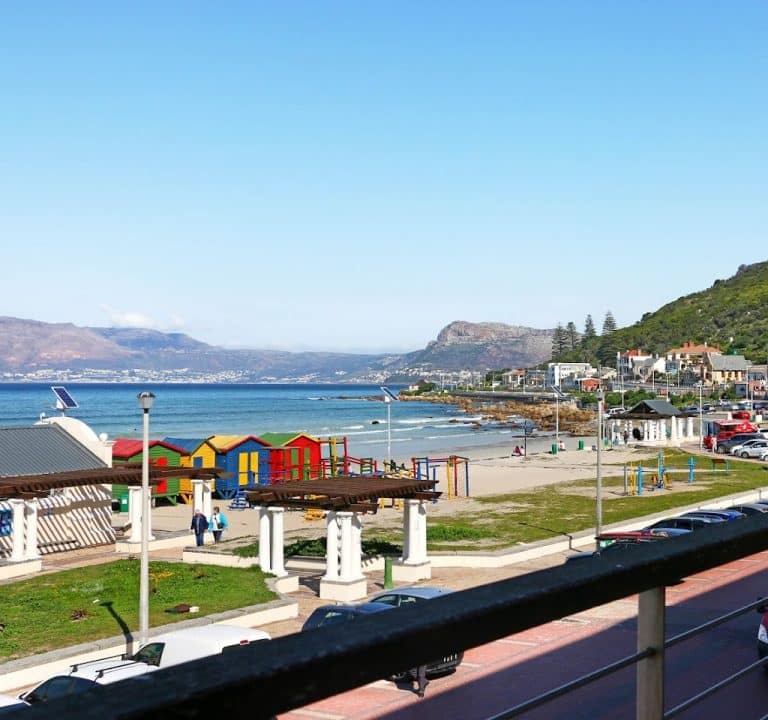
For a practical example of accommodation near the action, consider options bearing in mind the local vibe and access. A well‑located property in a central or coastal neighbourhood can be a good base for daily excursions, with easy access to beaches, viewpoints and energy of the city. For travellers seeking a reliable online option, a listing such as Surfers Penthouse offers a convenient hub near iconic coastlines and convenient transport links, with booking details available through a dedicated platform: Surfers Penthouse – Nightsbridge.
To help you plan, here is a quick checklist of considerations for your booking and stay:
- Proximity to sights you want to visit (Table Mountain, the coast, museums, markets).
- Transport access (road links, public transport, parking availability).
- Essential amenities (Wi‑Fi, air conditioning, hot water, laundry facilities).
- Guest reviews focusing on cleanliness, service, and accuracy of listings.
- Seasonal pricing and availability; consider shoulder seasons for better value.
Cape Town rewards curious travellers with a mix of natural beauty, cultural richness and a welcoming hospitality scene. By prioritising practical accommodation features, a well‑chosen neighbourhood and a balanced itinerary, you can enjoy a memorable, well‑paced stay that makes the most of what this remarkable city has to offer.