Staying in Mthatha and Exploring the Buffalo City region
Mthatha, in the Eastern Cape, serves as a practical base for visitors looking to delve into the wider Wild Coast area while enjoying comfortable, traveller‑friendly accommodation. Whether you prefer a traditional bed and breakfast, a guesthouse with a personal touch, or a small lodge near the town centre, you’ll find options designed to make your stay relaxed and easy to plan. When choosing where to stay and how to structure your days, think about convenient access to the town’s facilities, proximity to scenic routes, and the rhythm of local life that makes Mthatha a good hub for exploring the region.
Areas to consider when booking include the town centre and central suburbs, where many B&Bs and guesthouses cluster close to amenities such as eateries, markets, and public transport links. Some travellers also look for lodges or guesthouses a short drive from the centre for a quieter ambience and easier parking. If you are renting a car, you’ll have greater flexibility to explore beyond Mthatha—useful for day trips to nearby coastal towns, nature reserves, and cultural sites. For visitors relying on public transport, identify properties that offer easy access to taxis or local bus routes, and check whether a host can assist with reasonably timed transfers for day trips.
Typical amenities to expect in Mthatha‑area accommodation include comfortable en‑suite or private bathrooms, Wi‑Fi, and breakfast options, often with homemade items emphasising regional flavours. Some establishments provide on‑site parking, safe storage for luggage, and guidance on local walking routes or scenic drives. If you have special dietary needs, it is worth confirming breakfast choices in advance. Hotels, guesthouses, and B&Bs in the area frequently offer a warm welcome, with hosts glad to share practical tips about where to eat, what to see, and how to navigate local transport.
Seasonality influences both weather and visitor crowds. The Eastern Cape enjoys warm summers and mild winters, with rainfall more common in the summer months. The best time to visit for outdoor activities—such as coastal walks, beaches, and nature outings—is typically in the spring and autumn shoulder seasons when conditions are pleasant and the heat is not at its peak. If you are seeking lower occupancy and potentially more attentive service, book in advance for holiday periods or regional events, and always confirm check‑in times with your host ahead of arrival.
When planning an itinerary, balance time in Mthatha with excursions to nearby coastal towns, nature reserves, and cultural sites. The region’s appeal lies in landscapes, history, and a relaxed pace. For day trips, consider routes that take in coastal scenery, panoramic viewpoints, and opportunities to observe wildlife or learn about local heritage. Many visitors enjoy combining a stay in Mthatha with a visit to nearby towns and villages, where markets and eateries provide opportunities to sample regional ingredients and crafts.
Dining out is part of the experience. Within Mthatha you’ll find casual cafés and eateries offering a mix of South African favourites and international dishes. When planning where to eat, ask hosts or reception staff for recommendations based on your preferred ambience and budget. Even without naming specific establishments, most visitors appreciate venues that offer a friendly atmosphere, a selection of fresh, local ingredients, and reliable service. If you have dietary restrictions, most places are happy to accommodate with advance notice.
Transport practicalities help shape a smooth stay. If you are travelling by car, confirm whether your accommodation provides parking and whether gates or security are in place at night. For those relying on public transport, identify guesthouses near main roads or taxi stands and check the local timetables for buses to major sights. A simple plan—mapping your days around a couple of base activities and a flexible half‑day trip—often leads to a more enjoyable visit than trying to pack in every attraction.
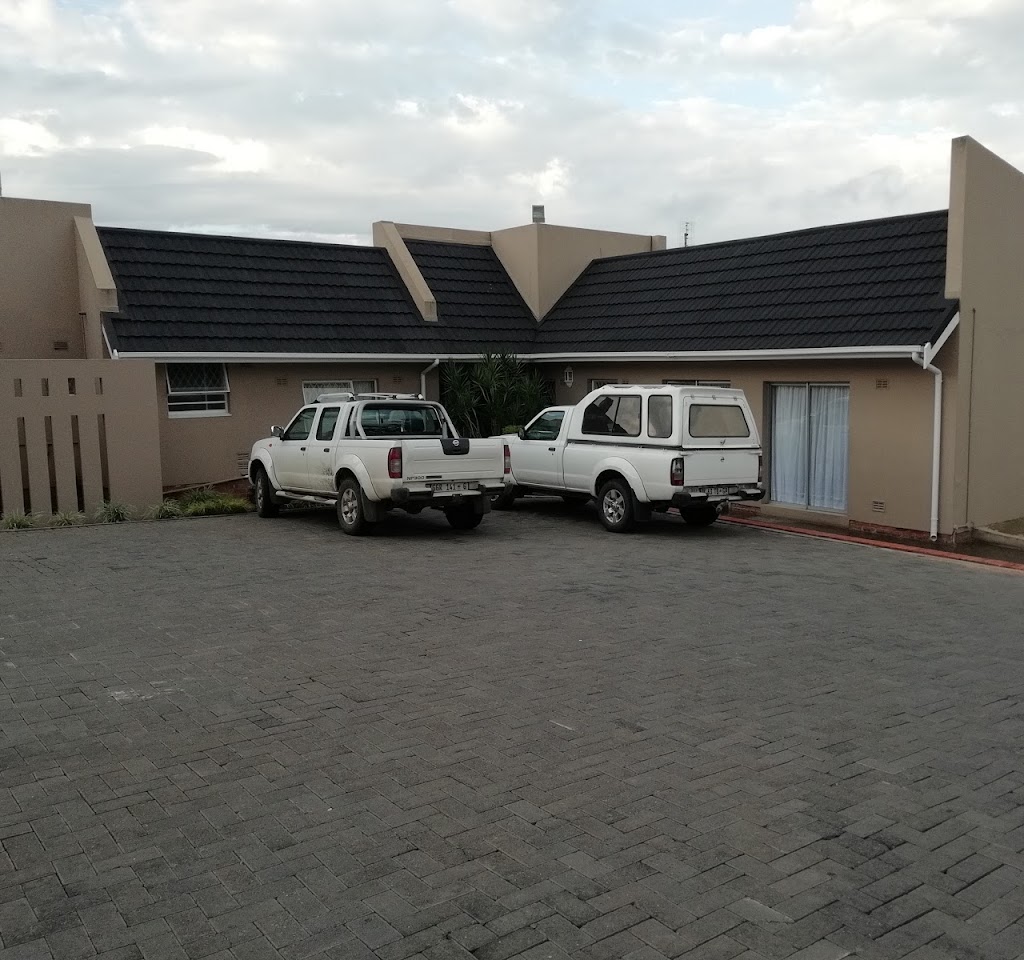
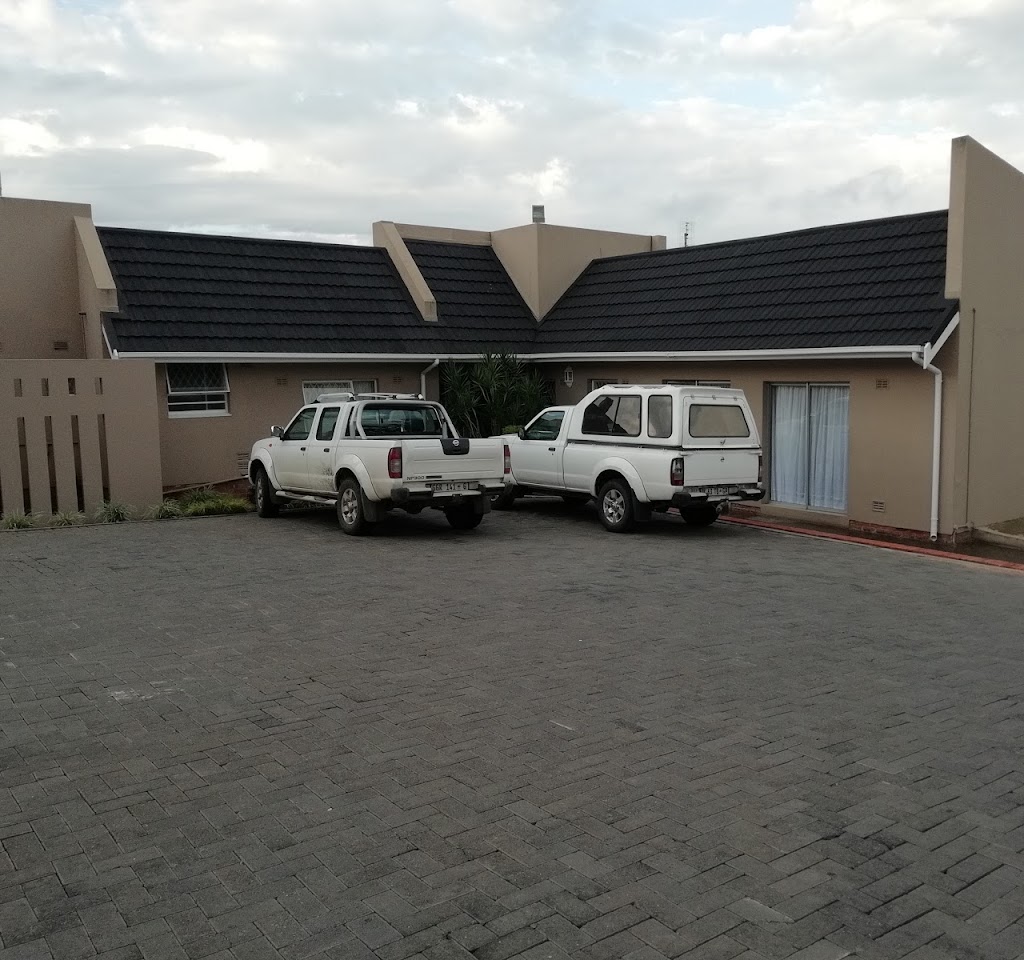
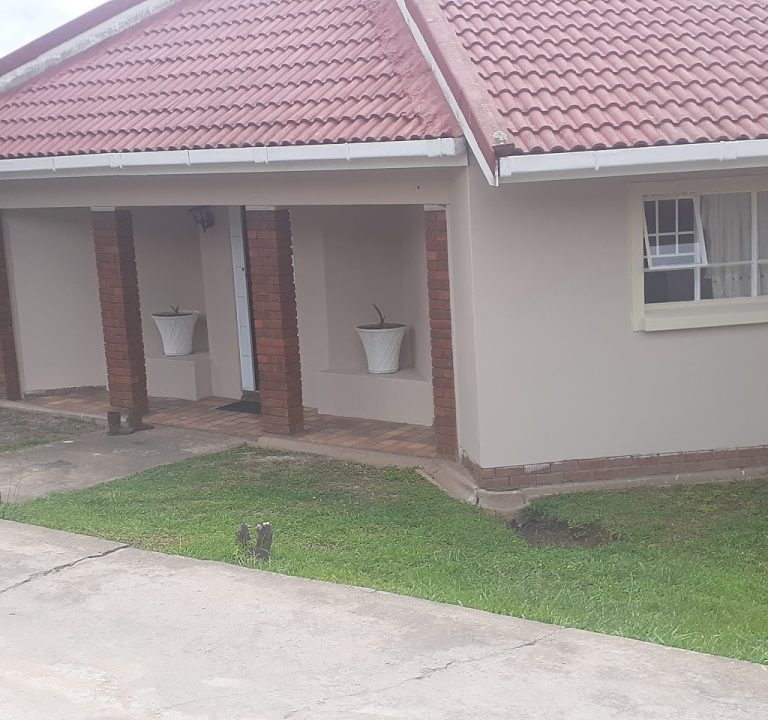
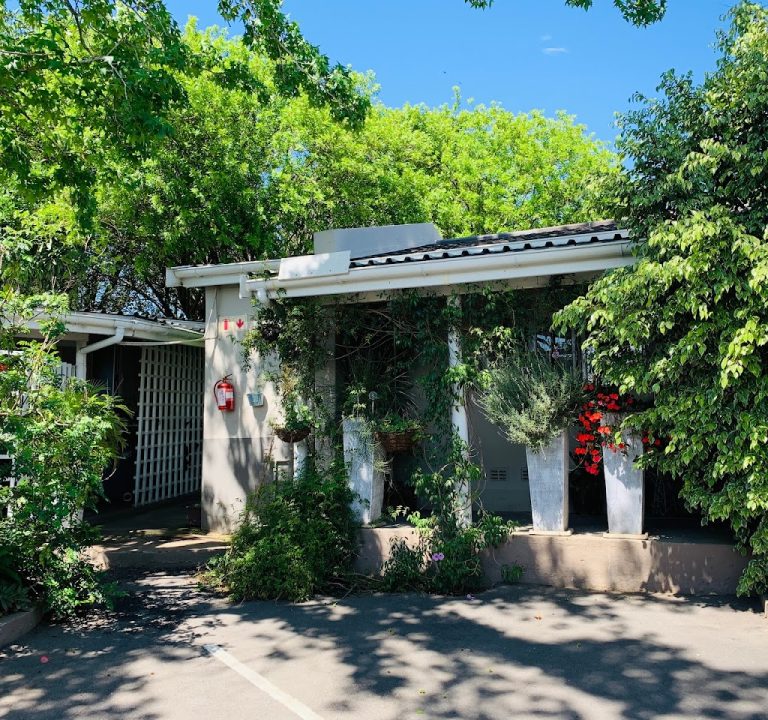
Sunshine Lodge, a quintessential bed & breakfast in the area, illustrates the kind of intimate, home‑style hospitality many travellers seek. With well‑appointed rooms, a friendly host, and a straightforward breakfast offer, it serves as a practical reference point for what to expect from a stand‑alone B&B. If you are researching options, visiting a few property websites or travel platforms can help you compare room types, breakfast formats, and guest reviews. Look for listings that clearly state check‑in policies, parking options, and how hosts can assist with planning local activities.
To make the most of your stay, consider a simple packing checklist and a few practical tips: bring a light layer for cooler evenings, a universal travel adaptor, a small backpack for day trips, and a folder or digital copy of your plan for the trip. Confirm breakfast times and any on‑site facilities you may need (such as a fridge for medications or a secure storage area for valuables). Finally, keep a flexible mindset; engaging with hosts and locals often reveals hidden gems—short walks, markets, or viewpoints—that enhance your visit without requiring elaborate arrangements.
- Plan a balance between town‑based days and nature or cultural excursions.
- Prioritise accommodations with clear communication, dependable Wi‑Fi, and convenient parking or transport for day trips.
- Ask hosts for practical, up‑to‑date tips on routes, safety, and best times to visit local attractions.