Accommodation and Sights in Mthatha, Eastern Cape: Planning Your Stay and Making the Most of It
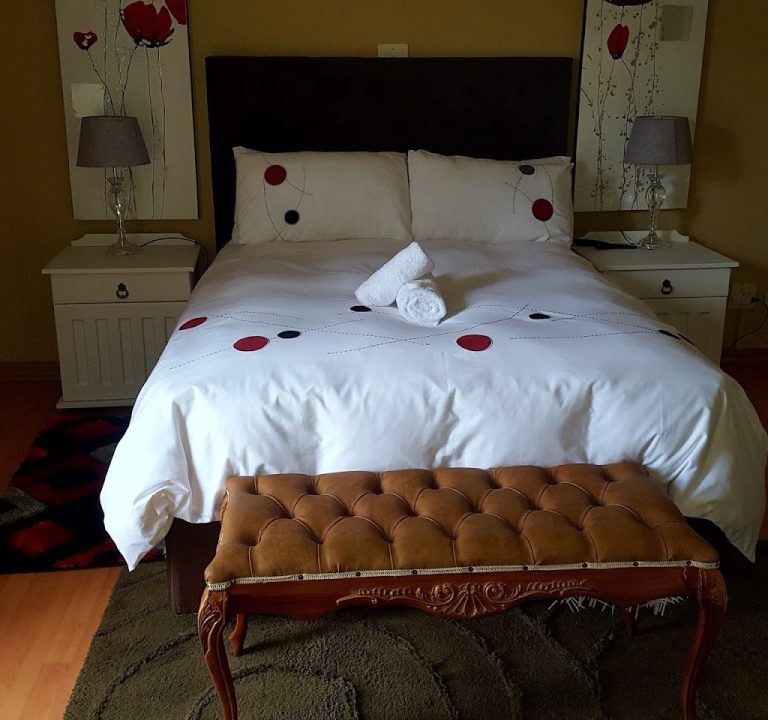
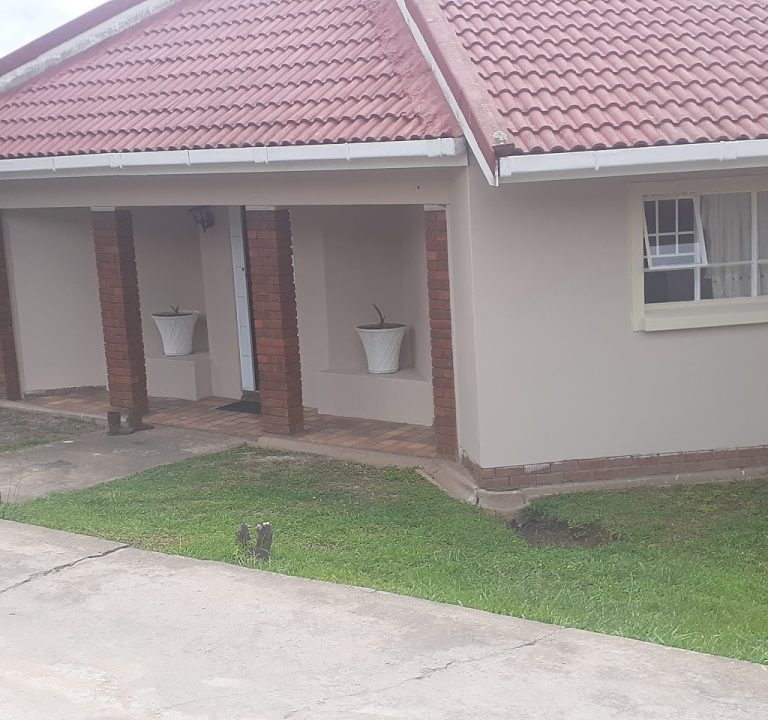
Mthatha, set in the eastern reaches of the Eastern Cape, offers a mixture of quiet guesthouses, family-run B&Bs and practical lodges that suit travellers seeking a relaxed base from which to explore the region. If you are planning a stay, begin by identifying a neighbourhood that aligns with how you want to spend your time: a central area for easy access to services and eateries, or a quieter suburb with a village-like atmosphere and garden spaces. One well-regarded option in this vein is Bedrock Guest House Mthatha, a classic bed & breakfast setup that combines comfortable rooms with approachable hospitality. Check the property’s own website for room configurations, breakfast offerings and any seasonal packages that may be available during your visit.
Where to stay matters as much as what to do. In Mthatha, consider proximity to transport links and local attractions. A central location can cut down on daily travel time, especially if you plan to explore beyond the town centre to nearby coastal and inland sights. If you prefer a more residential feel, look for guesthouses or small hotels in quieter streets with secure parking and easy access to public transport or car hire services. When booking, review the following practical details: room types (en-suite facilities often preferred for longer stays), complimentary breakfast, on-site parking, luggage storage, and any limitations on guests (for example, late check‑in policies or family-friendly rooms).
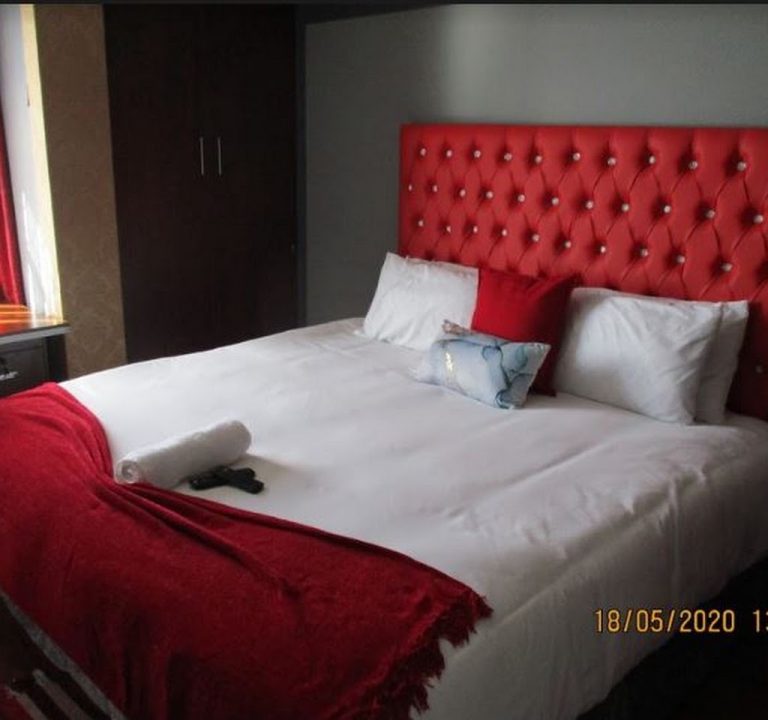
Typical amenities to expect include comfortable beds with quality linens, heating or fans for seasonal comfort, free Wi‑Fi, and practical workspaces if you are travelling for a few days. A good B&B or guesthouse will also offer hospitality such as a shared lounge area, a small kitchenette or tea/coffee facilities in rooms, and helpful recommendations for area restaurants and activities. When evaluating options, read recent guest reviews for notes on cleanliness, noise levels, and the responsiveness of hosts. If you are travelling with children or mobility considerations, confirm accessibility and whether any rooms are on the ground floor or serviced by an elevator.
Getting around Mthatha is straightforward with a mix of local taxis, rideshare options where available, and reliable on-street parking at many guesthouses. If you plan day trips, a fixed-route plan is wise: combine a couple of urban experiences with visits to nearby sites by road. Renting a car can offer maximum flexibility, especially if you wish to venture to rural villages, markets, or coastal beaches outside the town centre. For those who prefer not to drive, check whether your accommodation can arrange airport or station transfers, and verify the most convenient pickup points for guided tours or day trips.
The best time to visit Mthatha tends to follow the Eastern Cape’s climate pattern. Summers (roughly November to March) are warm and often humid, with pleasant evenings but the possibility of showers. Winters (May to August) are cooler, particularly at night, though daytime temperatures can still be comfortable. The shoulder seasons—late spring and early autumn—often provide good weather and thinner crowds, making it easier to secure preferred accommodation and dining slots. Consider seasonal events or markets when planning your stay, as these can shape both prices and the pace of your visit.
Attractions in and around Mthatha are varied, offering a blend of cultural heritage, nature and routes for gentle exploration. Within town, you’ll find museums and historic sites that illuminate the region’s past, alongside parks and public spaces ideal for a stroll or a relaxed afternoon. For a broader sense of the area, plan a day trip to coastal scenery to experience the Eastern Cape’s rivers, estuaries and beaches, or to rural communities where crafts and local food traditions thrive. When you map your days, balance downtime at your chosen accommodation with time set aside for a few key experiences—whether a guided town tour, a visit to a local market, or a simple lunch at a family-run restaurant that focuses on seasonal ingredients rather than high volume dining. Always have a flexible plan so you can pause and savour unexpected discoveries without rushing.
Dining in Mthatha spans informal cafes, family eateries and mid-range restaurants where you can sample country-style dishes alongside coastal-influenced fare. Choose venues that prioritise fresh, locally sourced ingredients where possible, and consider asking hosts or guesthouse staff for recommendations to match your tastes and budget. For balanced days, aim for a mix of easy breakfasts at your accommodation, a light lunch before an afternoon activity, and a relaxed dinner that allows you to unwind after a day of exploration. Where to book depends on your route and comfort level, but most visitors find a centrally located guesthouse with easy access to shops and cafés offers the best blend of convenience and atmosphere.
Practical tips to help you prepare for your stay:
- Confirm check-in and check-out times in advance and ask about late arrivals if you have a long travel day.
- Ask your host or guesthouse staff for local travel tips, transport options, and hidden gems off the beaten track.
- Pack light layers to cope with the coastal climate and variable evenings.
- Bring a universal adapter for South African power outlets and keep a small spare bag for day trips.
- Check whether your accommodation offers airport or station transfers and whether there are any local driving restrictions you should know.
For further inspiration, visitors can explore official tourism resources for the Eastern Cape and Mthatha region. These sources offer up-to-date ideas on attractions, events and practical travel information to help you tailor your stay to your interests. With careful planning, a stay in Mthatha can be both comfortable and convenient, leaving you free to discover the warmth of the town and the wider Eastern Cape at a relaxed pace. For more ideas and practical details, you might look at dedicated regional tourism websites and the listings of local guesthouses and lodges online.