Staying in Cape Town: where to stay, what to look for, and how to enjoy the city
Cape Town, with its dramatic coastline, mountain backdrop and vibrant food scene, offers a wide range of accommodation to suit every traveller. Whether you favour a cosy guest house in a leafy suburb, a stylish boutique hotel on the Atlantic Seaboard, or a self-catering apartment near the city centre, planning ahead helps you maximise your time and comfort. A good starting point is to pick a neighbourhood that matches your interests and daily plans, then refine your choice by considering size, amenities and access to transport.
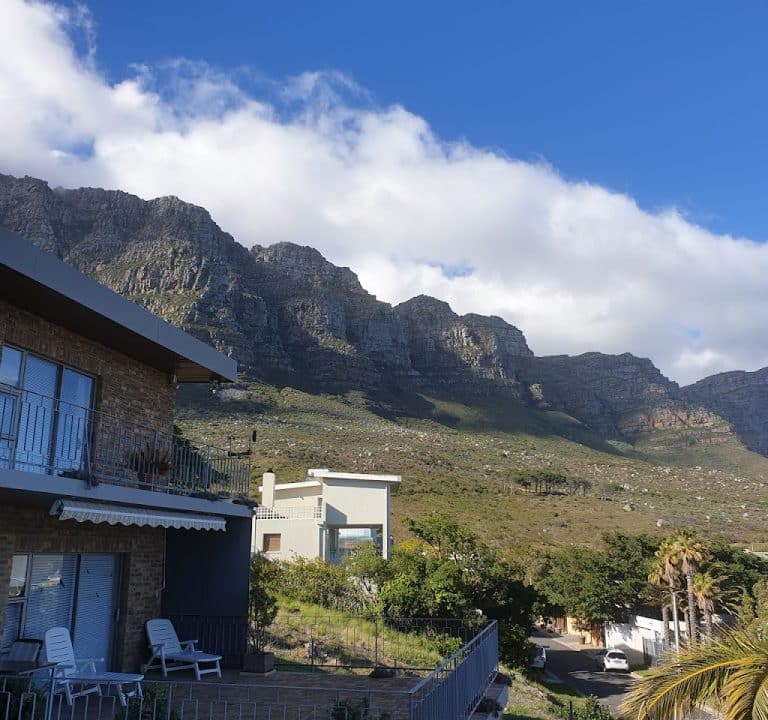
Places to consider include the Atlantic Seaboard for sea views and easy access to beaches, the City Centre for walkable convenience and nightlife, the V&A Waterfront area for harbour vibes and shopping, and the Constantia Valley for wine country excursions and tranquillity. For a quieter stay with a touch of privacy, guest houses in secluded suburbs or small hillside neighbourhoods can offer warm hospitality and spectacular vistas. One example in this vein is a guest house in Camps Bay, a renowned location for sunsets and coastal walks, which tends to prioritise comfortable guest rooms, private terraces and friendly service.
When choosing where to stay, look for the following common features and amenities. A reliable, clean room with en-suite bathroom is the baseline. Good sound insulation matters in busy districts. Free Wi‑Fi, a comfortable workspace, and on-site parking or easy parking options can save time and stress. A hearty breakfast is a popular welcome in many guest houses and B&Bs, while self-catering options or a kitchenette may suit families or longer stays. Helpful extras such as laundry facilities, luggage storage, and flexible check-in/check-out arrangements are also worth considering. If you plan day trips, ask hosts about recommended tours or transfer options, and whether they can arrange it for you.
Transport in Cape Town is part of the experience. The city offers a mix of rental cars, ride-hailing services, organised tour shuttles, and public transport. If you are staying near the City Bowl or the V&A Waterfront, you’ll often find walkable routes to museums, markets and cafés. For longer journeys, a car can be convenient to explore the Cape Peninsula or Constantia wine route. If you prefer not to drive, many visitor hubs provide reliable day trips by coach or private guide, allowing you to focus on scenery and experiences rather than navigation.
Best time to visit Cape Town depends on your activities. The Western Cape enjoys a Mediterranean climate with warm, dry summers and cool, wet winters. Peak tourist months run from December to February, when beaches are lively and outdoor events abound. If you favour shoulder seasons, spring (September to November) and autumn (March to May) offer milder weather, fewer crowds and lush landscapes. It’s wise to plan for wind and variable weather, especially on the coast and near the Peninsula, and to pack layers for cooler evenings even in summer.
To make the most of your stay, balance your days with a mix of urban discovery, scenic outlooks and food experiences. In the city, you’ll find markets, coffee roasteries, casual eateries and fine dining venues that showcase local produce and diverse cultures. For dining, consider trying a range of places from casual neighbourhood cafés to more refined restaurants that emphasise seasonal ingredients. In addition to meals, many visitors enjoy light refreshments with harbour views, or a sunset drink at a terrace with Table Mountain as a backdrop. Always check current opening times and whether reservations are required, especially in peak seasons.
When planning activities, think about a couple of signature Cape Town experiences. A straightforward visit to the iconic Table Mountain or nature reserves offers spectacular city vistas and easy hiking routes. Historical and cultural tours, lighthouse viewpoints, and coastal drives provide a well-rounded itinerary. For a day away from the city, trips to the Cape Peninsula, Cape Point, or nearby wine estates can be highlights. If you’re interested in wildlife, options for penguin colonies and marine experiences are available in nearby coastal towns. As you plan, keep balance in mind: reserve some downtime at your accommodation to enjoy a quiet morning, a hospitable breakfast, and perhaps a balcony or garden for relaxation after a day of exploration.
Practical tips for bookings and stays: verify cancellation policies and what is included in the rate, such as breakfast, parking, or access to facilities like a pool or garden. Read guest reviews to gauge consistency and responsiveness. If you have mobility considerations, check for step-free access, lift availability, and accessible bathrooms. For Sun & Sand Camps Bay or similar properties, expect a refined guest-house experience with a focus on comfort, privacy and attentive service, while still enjoying easy access to the beach and coastal walks. When you book, consider a flexible plan that allows you to adjust activities in response to weather or energy levels, and always have a rough plan for major sights and routes to avoid peak-hour congestion.
For more information and inspiration, browse trusted travel sites and the official tourism pages of Cape Town. You’ll find practical details on transport, maps, seasonal events and safety tips that help you craft a memorable, comfortable stay. Whether you’re seeking a cosy coastal retreat, a central base for urban exploring, or a tranquil hillside hideaway, Cape Town offers a hospitality landscape to suit every traveller, with experiences that reflect the city’s stunning geography and cultural richness.
- Location matters: pick a base that aligns with your planned activities and the time you’ll spend travelling to sights.
- Amenities to prioritise: en-suite, reliable Wi‑Fi, parking, and a good breakfast can significantly improve your stay.
- Transport planning: know whether you’ll rely on car hire, rideshares, or guided tours, and choose a place that offers convenient access or support.
- Seasonal considerations: expect crowds in peak summer and plan beach or outdoor activities accordingly.