Cape Town: accommodation planning, stays and classic experiences
Cape Town offers a rich mix of accommodation styles to suit every traveller, from cosy guesthouses tucked away in leafy suburbs to contemporary boutique hotels with panoramic ocean views. When planning a stay, think about the area you want to base yourself in, how much you value easy access to transport, and what kind of neighbourhood vibe you prefer. The city’s diverse settings—from the tumbledown charm of historic streets to modern beachfront developments—mean you can tailor your base to your itinerary, whether you’re chasing harbour walks, mountain vistas, or a food-focused escape.
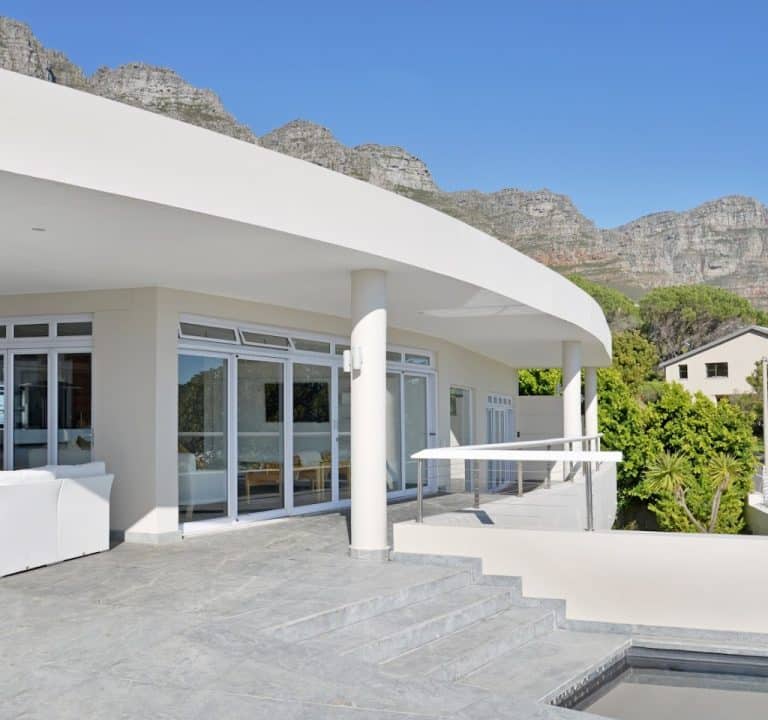
Neighbourhoods to consider include the city bowl for walkability and culture, Camps Bay and Clifton for dramatic coastlines and sunsets, Green Point and the V&A Waterfront for guest-friendly access to sights and dining, and Constantia for wine-tasting and tranquil scenery. For a budget-friendly option, look for guesthouses in residential suburbs with easy access to main routes. If you’re seeking a romantic or upscale experience, boutique hotels in the Observatory, Tamboerskloof or the Atlantic Seaboard often offer stylish interiors and personalised service. For families, guesthouses or self-catering apartments near beaches or parks can provide space and flexibility without sacrificing comfort.
What to look for when booking varies with your priorities. Proximity to major sights can save transit time, while amenities such as secure parking, reliable Wi‑Fi, air conditioning, and flexible check-in can ease travel days. Many hotels and guesthouses in Cape Town also emphasise sustainability and local sourcing, which can enhance the sense of place. If you plan to drive, confirm parking arrangements; if you’ll rely on public transport, check how well the property is connected to MyCiTi bus routes or Uber services. Family-friendly stays might offer cot facilities, children's menus, or safe play areas, while adults-only escapes may prioritise privacy and spa access.
Typical amenities in Cape Town accommodation range from stylish interiors and rooftop lounges to full-service restaurants onsite, in-room tea and coffee provisions, and laundry facilities. Some properties feature leisure options such as swimming pools, fitness rooms, or guided walking tours. If you’re visiting during peak months, you’ll want to secure bookings well in advance, particularly for popular coastal districts and trendy neighbourhoods. If you’re exploring on a budget, consider mid-range guesthouses or self-catering flats that provide kitchen facilities, allowing you to prepare light meals and groceries can be more economical than dining out every day.
Transport tips help you maximise your time. The city centre is compact enough for walks, but to access Table Mountain, the Cape Peninsula, or the southern beaches, you’ll likely rely on a mix of car hire, taxi services, and reputable rideshare apps. The airport is connected by express services and land transport options, and many accommodation providers can arrange transfers or local tours. If you want to explore wine country or the Cape Peninsula at a relaxed pace, consider a self-drive day trip with a suggested route and time buffers for photo stops and viewpoints.
Best time to visit Cape Town depends on what you want from your holiday. The late spring to early autumn period (roughly September to April) tends to offer longer days and milder warmth, ideal for outdoor sightseeing and harbour strolls. Even in summer, sea breezes keep temperatures pleasant near the coast. Winter (May to August) brings cooler, wetter weather and is a quieter period—great for museums, indoor dining, and viewing the city’s greenery after rains. If your trip centres on wine routes and garden landscapes, plan for the shoulder seasons when crowds thin out and countryside is calm.
When planning daily itineraries, balance iconic sights with less-visited neighbourhoods. Start with the famous peak experiences—elevated views from Table Mountain (weather permitting), a stroll along the waterfront, and a drive along Chapman's Peak or the coastal roads to capture dramatic seascapes. Mix in cultural stops—markets, galleries, and historic streets—to gain a fuller sense of the city’s story. Dining options range from casual eateries offering contemporary South African cuisine to refined restaurants that showcase seasonal produce and seafood. In general terms, you’ll find a strong emphasis on seafood, braai-style grilling, and ingredient-led menus that celebrate the Cape’s coastal and winelands influences.
- Choose a base near your planned activities to limit daily travel time.
- Confirm parking or transport arrangements if you’ll be driving.
- Look for flexible cancellation policies in case plans change.
- Ask about recommendations for local experiences, markets, and safe walks in the evenings.
- Check the availability of guided or self-guided day trips to the Cape Peninsula, the winelands, or Robben Island.
For inspiration and practical planning, reputable tourism resources such as official city or regional sites can be useful. Remember that Cape Town blends natural beauty with a vibrant dining scene and a wide range of accommodation styles, so with a little forethought you can craft a stay that aligns with your interests, budget, and pace. For accommodation ideas and ideas on planning your visit, you might explore pages dedicated to the city’s hotels, guesthouses, and self-catering options, as well as curated travel guides that highlight routes, viewpoints, and neighborhoods. A well-chosen stay can become the gateway to a memorable Cape Town experience, making every day feel both effortless and richly rewarding.