Johannesburg: Where to stay, what to do, and how to plan your visit
Johannesburg, Gauteng’s vibrant hub, offers a wide range of accommodation options that suit groups, families, or travellers seeking a convenient base from which to explore the city. From stylish apartment-style stays to purpose-built group lodges, you can choose locations that provide easy access to business districts, cultural neighbourhoods, and outdoor spaces. When planning a stay, consider the area, the pace you want, and the transport options that will best connect you with the city’s sights and activities.
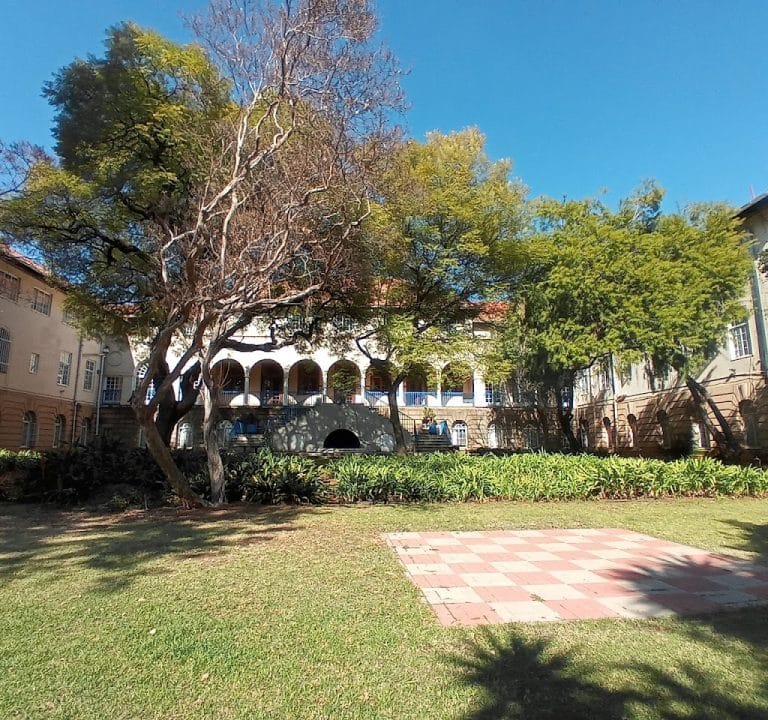
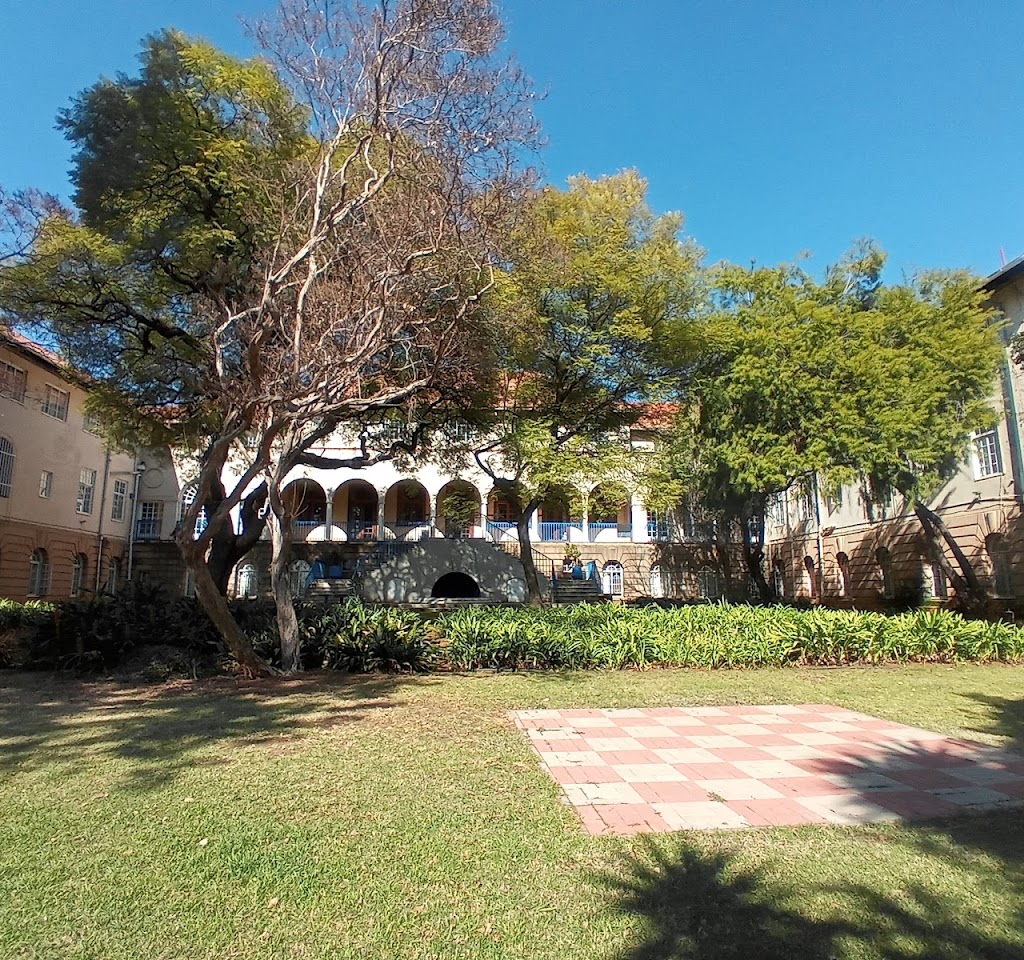
Areas to consider for accommodation include the northern suburbs, where business districts and shopping are close at hand, and the inner-city and its surroundings, which offer a living, breathing urban experience with cafés, markets and nightlife. Sandton provides a polished, well-connected base with easy access to car hire, Gautrain services and major highways. Rosebank and Melville offer a mix of boutique stays, restaurants, and easy access to parks and markets. Braamfontein and Maboneng offer a more energetic, artsy atmosphere with convenient transport links to central attractions. For a quieter option with easy access to nature and university campuses, look to the leafy northern fringes or Pretoria Road corridors close to Johannesburg’s historical sites. If you’re travelling in a group, you may wish to search for purpose-built group accommodation such as Sunnyside Residence, which can offer shared facilities and common spaces ideal for socialising and planning day trips.
What to look for when booking a stay in Johannesburg:
- Location relative to planned activities — proximity to major sights, business districts, and transport hubs can save time.
- Accessibility to public transport or well-regarded taxi/ride-hailing options, especially for evenings out or longer day trips.
- Amenities that suit groups — multiple bedrooms, generous communal spaces, a well-equipped kitchen, secure parking, and reliable Wi‑Fi.
- Security features — secure access, on-site staff or 24-hour support, and well-lit surroundings.
- Flexibility for longer stays — laundry facilities, ironing, and flexible checkout times may help with curfews or travel arrangements.
- Transport links for day trips — easy access to highways or rail lines such as regional rail connections or the Gautrain corridor.
Typical amenities you might encounter in Johannesburg accommodation include en-suite bedrooms, air conditioning or fans for climate control, communal living areas, well-equipped kitchens, wireless internet, secure parking or on-site security, and practical touches such as laundry facilities and housekeeping options. Many properties offer use of outdoor spaces, braai or barbecue areas, and access to communal gardens or courtyards, which can be a real bonus for groups looking to socialise after a day of exploring.
Practical tips for planning your stay:
- Book with flexibility where possible. Johannesburg’s weather can be hot and humid in the summer and drier in winter, so a flexible cancellation policy is useful if plans shift.
- Check transport arrangements ahead of time. While Uber and other ride-hailing services operate in the city, some neighbourhoods are better served by local shuttle options or car hire for longer day trips.
- Consider a base near a Gautrain station if you plan to visit Pretoria, Sandton, or the airport region to minimise travel time.
- Balance convenience with atmosphere. If you want a neighbourhood feel, choose a stay in or near Maboneng, Braamfontein, or Rosebank; for business-friendly amenities, look toward Sandton or the northern corridors.
- Plan day trips around weather. A mid-year mix of museum visits and outdoor markets can help if afternoon thunderstorms roll in during the rainy season.
Best time to visit Johannesburg depends on interests. The dry winter months (roughly May to September) offer pleasant daytime temperatures and clearer skies for outdoor activities and city tours. The summer months (October to March) bring warmth and occasional showers, which can be ideal for markets, gardens, and outdoor events, but be prepared for humidity and sudden downpours. Packing should reflect the season: breathable clothing for summer, layers for cooler evenings, and comfortable footwear for walking and urban exploration.
Attractions and experiences in and around Johannesburg generally fall into a few broad categories. Cultural landmarks and museums provide insight into South Africa’s complex history, while vibrant urban precincts offer art, design studios, and varied dining. Outdoor spaces—from botanical gardens to nature reserves—offer respite from city life. For meals, expect a spectrum of options, ranging from contemporary bistros to family-friendly eateries and vibrant food markets that showcase regional flavours. When planning restaurant visits, a mix of casual, family-friendly spots and more intimate dining can help balance meals with sightseeing and shopping.
In summary, Johannesburg rewards visitors who plan thoughtfully: pick a neighbourhood that matches your pace, confirm reliable transport options, and choose accommodation that suits your group’s needs. Whether you opt for a boutique stay near lively markets, a polished base in a business district, or a comfortable group residence such as Sunnyside Residence, you’ll discover a city that blends culture, commerce and creative energy with warm South African hospitality. A well-chosen base makes it easy to tailor a stay to the interests of your party, from historic streets to modern cafés and dynamic arts districts, while providing a practical base for day trips and family-friendly adventures.