Johannesburg: Where to stay, eat, and explore in Gauteng
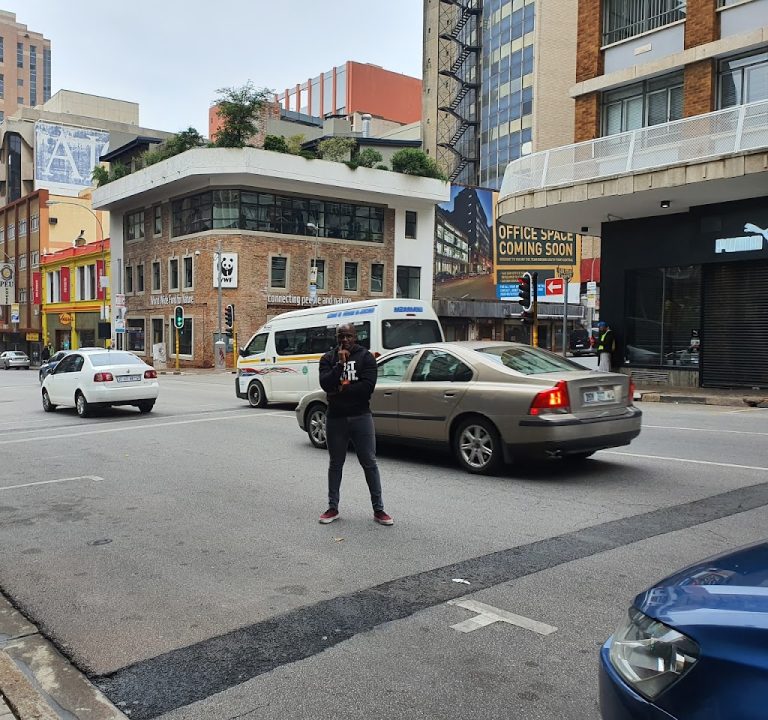
Johannesburg, often simply called Jo’burg or Joburg, is a sprawling urban hub with a mix of stylish hotels, cosy guesthouses, and modern lodge-style stays. When planning a visit, consider the different neighbourhoods that shape the experience: from the business heartbeat of Sandton to the artsy corridors of Braamfontein and Maboneng, and the leafy, family-friendly streets of Rosebank. Each area offers a distinct flavour, transport options, and access to attractions, markets, and dining.
Accommodations range from refined city-centre hotels and contemporary boutique stays to affordable mid-range properties and guesthouses tucked away in residential streets. If you’re seeking convenience for business or shopping, a hotel in Sandton or Rosebank provides easy access to malls, conference venues, and Gautrain links. For a more cultural and walkable stay, look for properties in Braamfontein, Maboneng, or nearby Newtown, where you’ll find vibrant street life, galleries, and eateries within easy reach.
When booking, look for a few practical features that make a stay smoother. A reliable front desk with flexible check-in, secure on-site parking or easy street parking, and clear information about local transport are invaluable. Most visitors value clean, comfortable rooms with en-suite bathrooms, reliable hot water, good air conditioning or heating, and dependable Wi-Fi. If you’ll be returning late from a day of sightseeing, check that the venue offers 24-hour reception or a secure entry system. Breakfast options can be a time-saver, and on-site amenities such as a gym, swimming pool, or quiet lounges can be welcome after busy days in the city.
Transportation is a key planning factor. Johannesburg has a well-connected rail and road network. The Gautrain fast-tracks travellers between the city and OR Tambo International Airport, with direct links to Sandton and other northern suburbs. Within the city, Uber, Bolt, and similar ride-hailing apps are widely used, and some hotels offer shuttle services or curated day trips. If you’re hiring a car, confirm parking arrangements in advance, as some central properties have limited spaces. For those who prefer not to drive, staying near a Gautrain station or in well-served hubs like Rosebank or Sandton makes exploration straightforward.
The best time to visit Johannesburg is broadly climate-based. The dry winter months from May to September are pleasant for outdoor activities and city walks, though it can be cooler in the evenings. The summer season, from November to February, sees higher temperatures and sporadic afternoon thunderstorms; this is a lively period with many outdoor markets and events, but plan for possible rain and humidity. If you’re hoping to combine a city break with nearby nature or wildlife experiences, this season also offers convenient access to day trips that showcase the region’s diverse landscapes.
When it comes to experiences, Johannesburg offers a broad slate of activities that suit many tastes. Cultural highlights include museums and historic sites that document the country’s complex past, often housed in striking buildings and precincts that are easy to access from central stays. For a broader sense of city life, you can stroll through vibrant neighbourhoods known for street art, markets, and creative spaces, with plenty of options for coffee stops and casual dining along the way. Family-friendly days out can feature large parks, interactive exhibitions, and insights into the region’s industry and growth. In the evenings, the city’s dining scene covers a spectrum from modern eateries to traditional South African flavour profiles, with venues offering everything from small plates to substantial meals, often in lively, sociable settings.
Practical tips for a smooth stay: book early if you’re visiting during peak seasons or major events, and read recent guest reviews to gauge how a property handles practicalities like check-in, noise levels, and housekeeping. Look for transparent cancellation policies and clear information about accessibility if needed. Pack adaptable layers for temperature shifts between day and night, and plan your daily routes with local transport options in mind rather than relying solely on long drives. If you’re visiting with family or friends, a serviced apartment or a boutique hotel suite can offer more space and shared amenities without compromising comfort.
- Neighbourhoods to consider: Sandton for shopping and business, Rosebank for markets and a lighter nightlife, Braamfontein for nightlife and culture, Maboneng for a creative scene, and Newtown for historic theatres and city vibes.
- Amenities to prioritise: reliable Wi‑Fi, secure parking, on-site dining or easy access to a nearby restaurant, good air conditioning, and a welcoming reception team.
- Top practical tips: check transport access near your stay, review cancellation policies, and balance comfort with a location that minimises long transfers between sights.
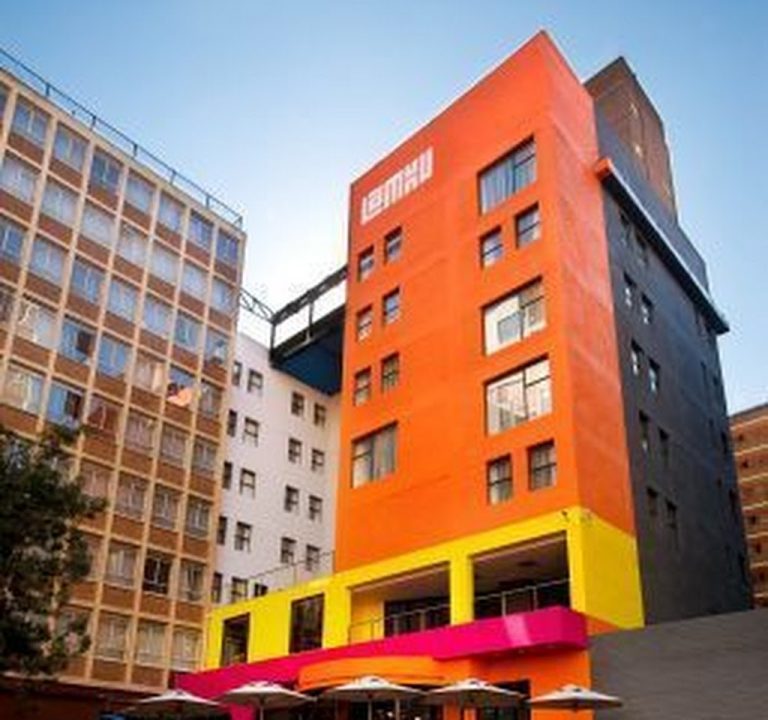
For general planning and inspiration, reputable city and tourism resources can help you map attractions, restaurants, and day trips. If you’re considering a stay that combines convenience with a strong sense of place, a well-positioned hotel or guesthouse in Johannesburg can be a comfortable base for exploring Gauteng’s energy and diversity. For a concrete example of a mid-range option, you might encounter properties such as Lido Travelodge, which illustrates the kind of city-centre hotel experience travellers often seek when visiting this dynamic destination. More detailed planning resources and official information can be found via the City of Johannesburg and regional tourism sites.