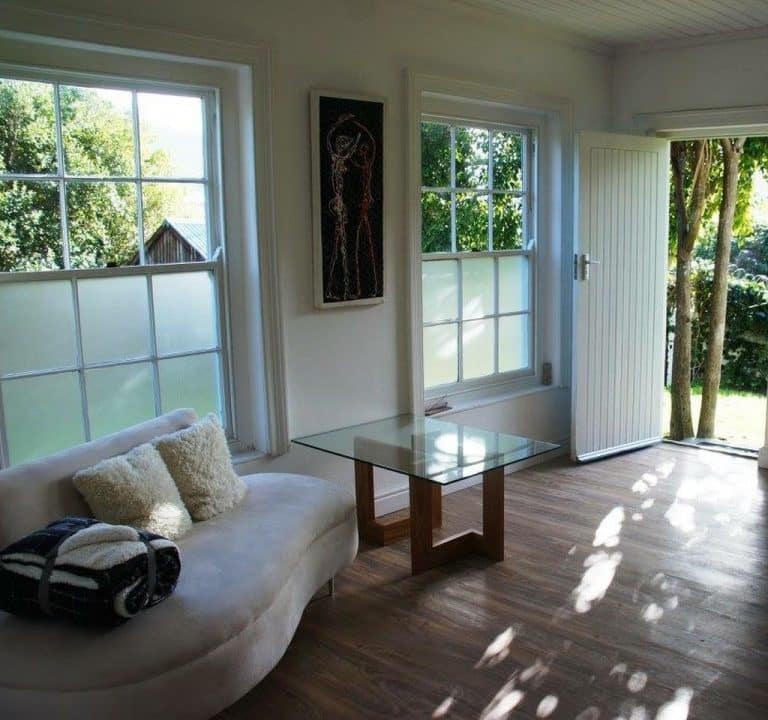
Sunbird Cottage and a Colourful Stay in Cape Town: Accommodation and Experiences
Cape Town offers a rich mix of places to rest, from charming holiday homes to stylish guesthouses and modern apartments. When planning a stay around Sunbird Cottage or any holiday home in the Western Cape’s capital, it helps to think about what you want from your base as much as what you want to see. The city sprawls across dramatic coastline and rolling hills, with neighbourhoods that each bring a distinct rhythm to a visitor’s break.
Areas to consider include the compact, buzzier City Bowl with quick access to museums, cafés and a lively dining scene; the Atlantic Seaboard for dramatic sea views and easy beach access; the southern suburbs for leafy tranquillity and convenient routes to the Cape Winelands; and the Constantia and Hout Bay belts for a more relaxed pace and proximity to nature. For a first visit, a well-situated rental in the city centre or Green Point can reduce travel time to many major sights, while a residence in Camps Bay or Clifton offers sunset scenery and a beachy ambience. When choosing, consider how you will travel each day and whether you prefer a place with a private outdoor space, a well-equipped kitchen, and off‑street parking.
Typical amenities you might expect in a quality holiday home or guesthouse include fast Wi‑Fi, dedicated workspace, reliable heating or air conditioning, and clear instructions for access. Many properties provide self-catering facilities, with well-equipped kitchens, coffee machines, and laundry access. Outdoor spaces—balconies, courtyards or small gardens—are particularly popular for evening meals after a day of exploring. If you are travelling with family or a group, look for multiple bedrooms, en-suite bathrooms, and a sensible lay-out that allows privacy as well as shared living areas.
Transport is a practical part of your planning. Cape Town has a growing public transit network that can be convenient for short hops in the city centre and along the Atlantic Seaboard, but many visitors still prefer private transport for flexibility. If you will drive, check for parking arrangements at your accommodation, as spaces can be limited in busy parts of the city. For those relying on public transit, factor time for connections and be mindful of peak traffic hours. Arranging a pickup for longer day trips, such as to the Cape Winelands or the Cape Peninsula, can be worth it for comfort and efficiency. Proximity to a taxi or ridesharing hub is a plus when you want to explore late in the evening.
The best time to visit Cape Town varies with what you want from the city. The warm, dry summer months (roughly November to March) are ideal for beach days and outdoor activities, while the shoulder seasons (April–May and September–November) bring milder temperatures, fewer crowds, and excellent conditions for hiking and sightseeing. Winter, running from June to August, is cooler and can be wetter, but it is also a season of fewer guests and good-value stays. If you plan a coastal drive or a visit to the nearby Cape Point and reserves, organise layers and a compact waterproof layer for changeable weather.
When staying in Cape Town, you will encounter world‑class vistas and a broad range of experiences. Natural attractions lie close to the city—table‑top views from the slopes of Table Mountain can be reached by cable car or longer hikes, while the coastline offers rugged beauty, beaches, and viewpoints. The nearby Cape Peninsula roads are renowned for dramatic scenery, with bays and coves offering places to pause and enjoy a picnic. For immersive culture, explore markets, art studios, and harbourside eateries where chefs balance local produce with contemporary technique. In terms of eating out, you’ll find that Cape Town’s restaurants emphasise fresh seafood, seasonal vegetables, and wines from nearby estates. Many venues welcome guests with a warm, relaxed environment and a view that makes every meal feel a little special—without the need for grand formality.
Practical tips to help you book and enjoy your stay include: read recent guest reviews to gauge consistency, check the listing’s cancellation policy in advance, and confirm essential details such as bedding configurations and the availability of a washing machine if you are on an extended trip. If you are travelling with children or guests with mobility needs, clarify accessibility features and the proximity to lifts, ramps, or ground-floor spaces. For photographers or nature lovers, ask about sunrise or sunset light, garden access, and quiet hours. Finally, keep a flexible plan for day trips; Cape Town’s scenery is spectacular, but the best experiences often arise from spontaneous choices between a vineyard stop, a hiking trail, or a waterfront stroll.
Sunbird Cottage and similar holiday homes position visitors to enjoy both comfort and discovery. With careful planning—considering area, transport, and amenities—you can craft a stay that mirrors your trio of aims: a restful home base, easy access to Cape Town’s natural beauty, and time to enjoy the city’s diverse restaurants and experiences. To help you start planning, consider visiting official tourism sites for Cape Town and the Western Cape, which offer practical guidance on activities, routes, and seasonal highlights. A well-chosen base can make a Cape Town holiday feel seamless, whether you are here for a weekend break or a longer cultural escape.
- City Centre / Green Point for convenience and quick access to sights
- Atlantic Seaboard for beaches, views and a more relaxed pace
- Constantia / Southern Suburbs for greenery and wine-country day trips