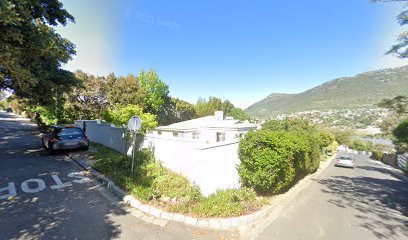
Cape Town: Accommodation and Experiences for a Well-Planned Stay
Cape Town in the Western Cape offers a diverse mix of places to stay, from intimate guest houses to stylish lodges and small boutique hotels. When planning a visit, it helps to think about your preferred pace, scenery, and how you want to move around the city. The right base can frame your whole trip, whether you want easy beach access, mountain views, or a city-centre vibe with quick access to dining and nightlife.
Neighbourhoods and areas to consider:
- City Bowl and the central peninsula provide proximity to museums, theatres and a vibrant dining scene, with easy access to hop-on hop-off routes, buses, and rideshares.
- Camps Bay and Clifton offer dramatic Atlantic-facing beaches, sunsets, and a more resort-style ambience, ideal for a relaxed retreat with sea views.
- Green Point and Sea Point are popular for walkers and cyclists, with a promenade, parks and a variety of eateries, while still being close to the city centre.
- Bo-Kaap and the historic surrounds present colourful streets and a strong cultural flavour, good for travellers who enjoy discovering local heritage on foot.
- Constantia and the Constantia Valley are known for leafy wine estates, tranquillity and higher-end guesthouses, ideal for guests seeking a countryside feel within reach of the city.
What to look for when booking a property:
- Location relative to your planned activities—consider proximity to major sights, public transport links, and a safe, walkable neighbourhood after dark.
- Type of accommodation that matches your style—intimate guest houses and B&Bs can offer personalised service, while boutique hotels may provide a more polished experience with inclusions such as breakfast and staffed reception.
- Size and layout—additional space such as a seating area or a private patio can improve comfort, particularly for longer stays or when working remotely.
- Amenities—look for reliable Wi‑Fi, secure parking if you’re hiring a car, air conditioning for coastal humidity, and guest access to a pool or garden if you value outdoor space.
- Reviews and consistency—recent guest feedback can reveal how well the property maintains cleanliness, how responsive hosts are, and whether advertised facilities are reliable.
Typical amenities you might encounter include:
- Complimentary breakfast with self-service options or a full service offering.
- En-suite bathrooms with quality fittings and daily housekeeping options.
- Dedicated guest lounges, small kitchens, or tea-and-coffee facilities in rooms.
- Outdoor spaces such as courtyards, terraces, or balconies with sea or mountain views.
- Safe on-site parking, lift access where needed, and in some cases bicycle storage for active travellers.
Transport and getting around:
Cape Town’s geography makes it desirable to stay with easy access to the Atlantic coast, the wine routes, and the city’s historic districts. If you’re staying near the city centre, you can explore on foot or by taxi and rideshare services. Renting a car gives flexibility for day trips to the Cape Winelands, Chapman’s Peak, or coastal drives, but it may not be necessary for shorter city stays. Many guest houses and lodges offer shuttle arrangements or partnerships with local operators, making organised excursions straightforward to arrange.
The best time to visit Cape Town depends on what you want from your trip. The shoulder seasons—spring and autumn—often deliver milder weather, calmer beaches, and fewer crowds, making it pleasant for sightseeing and outdoor activities. Summer brings warm seas ideal for beaches and harbour walks, while winter offers cooler days and the possibility of crisp, dramatic skies. If you’re planning long outdoor hikes or seaside days, check the forecast and prepare for microclimates around the peninsula.
Activities and experiences to consider during your stay (in general terms):
- Iconic viewpoints and coastal walks that showcase the city’s natural beauty and panoramic backdrops.
- Guided tours that cover Cape Town’s history, architecture and diverse neighbourhoods, or self-guided walks with suggested routes and maps.
- Beaches and outdoor recreation, including safe swimming beaches, sheltered coves, and optional water sport activities depending on conditions.
- Wine estates in surrounding valleys offering tastings, tastings with paired food options, and estate tours.
- Local markets and casual eateries where you can sample regional produce and crafts, without committing to formal dining experiences every night.
Dining and nightlife tend to reflect Cape Town’s culinary creativity: casual cafés, family-run bistros, and refined restaurants sit side by side with vibrant street life. For many visitors, choosing a few central areas for dining and then exploring nearby options each evening makes sense. When budgeting, leave room for a couple of standout meals, but also embrace the casual, affordable options that showcase everyday flavours.
Practical tips for travellers staying at places like Fresh Ayre or similar guest houses:
- Confirm check-in times and any self-check-in procedures in advance to avoid delays.
- Ask hosts about recommended local transport, safety tips, and reliable nearby amenities such as laundries or grocery stores.
- Pack accordingly for varied weather—layers work well for coastal winds and sudden changes in the afternoon.
- Use reputable transport options for late returns from evenings out; plan your routes ahead of time if you’re unfamiliar with the area.
- Respect local customs and neighbourhood norms, particularly in historic districts with traditional architecture.
Cape Town offers a rich variety of stays and experiences that can suit a range of travel styles. By selecting the right neighbourhood, understanding what to look for in a booking, and planning transport and activities thoughtfully, you can craft a balanced itinerary that showcases both the city’s dramatic beauty and its welcoming hospitality. For more inspiration and practical planning resources, you can explore official tourism sites and travel guides linked from reputable accommodation and city information portals.