Johannesburg: Accommodation planning, areas to consider, and top experiences
Johannesburg, or Jo’burg, is a sprawling city with a rich mix of neighbourhoods, each offering a distinct ambience for visitors. When planning a stay, consider where you’ll spend most of your time and how you’ll move around. The suburbs of Sandton and Rosebank are popular for business travellers and shoppers, offering modern hotels, serviced apartments, and easy access to the Gautrain. Braamfontein and Maboneng supply a more urban, creative scene with boutique guesthouses, stylish lodges, and a lively food and nightlife mix. Melville provides a laid‑back, university-town vibe with cosy B&Bs and coffee culture, while Soweto offers immersive cultural stays and community‑led experiences just outside the city centre. For a quieter retreat, northern suburbs and parkside pockets around the north‑western belt can be convenient bases to reach the city’s highlights day by day.
Accommodation in Johannesburg ranges from polished business hotels to intimate guesthouses and contemporary lodges. Typical amenities to look for include reliable Wi‑Fi, air conditioning (very useful in the warmer months), robust security and 24‑hour reception, on‑site dining or easy access to nearby restaurants, and clear information about transport options. If you’ll be relying on public transport, check proximity to a Gautrain station or major bus routes. For drivers, secure parking or easy street access is an additional bonus. Many properties in central and northern areas offer 24‑hour reception, concierge services, and curated city guides to help you plan day trips or evening outings.
How to plan a stay in Johannesburg starts with matching your interests to the right neighbourhood. If you want high‑end shopping and corporate conveniences, Sandton is a strong choice with numerous lodges and hotels, along with a light rail extension in some zones. Rosebank blends a relaxing stay with a bustling market scene and a short hop to the city’s cultural precincts. For immersion in Jo’burg’s creative heart, Braamfontein and Maboneng Centre around the downtown core deliver galleries, design studios, street art, and vibrant dining, while Soweto offers guided tours into history, music traditions, and community eateries that provide a sense of place you can’t easily replicate elsewhere. Consider how much travel time you’re willing to tolerate on busy mornings and evenings, as Johannesburg’s traffic can be unpredictable at peak hours.
Best time to visit Johannesburg is generally all year, with the dry winter months (May to August) offering clearer skies and comfortable daytime temperatures, though evenings can be chilly. The wet season (roughly November to March) brings warmer days and afternoon thunderstorms; it’s a good idea to pack light rain gear and plan indoor alternatives for afternoon showers. If you’re hoping to combine a city break with nature, the slightly cooler months of spring and autumn can be particularly pleasant for outdoor activities and walking tours. Public holidays and school holidays can bring busier streets and higher accommodation demand, so booking in advance is wise during those periods.
What to look for when booking a stay in Johannesburg:
- Security and access: look for well‑lit entrances, on‑site security, 24‑hour reception, and safe transport options, especially if you’ll be returning late from evenings out.
- Location balance: central precincts offer nightlife and dining; quieter pockets provide restful mornings and quicker commutes to specific attractions.
- Room configuration: consider whether you need a compact hotel room or a spacious suite with a kitchenette or lounge area, particularly for longer stays or family visits.
- Transport accessibility: proximity to rail links (Gautrain) or major arterials can save time; check if the property can assist with airport transfers or taxi arrangements.
- Facilities: reliable Wi‑Fi, workspaces, laundry services, and dining options on site can add convenience for business travellers or family holidays.
Typical experiences and day‑to‑day activities to weave into a Johannesburg stay include discovering contemporary art and design districts, enjoying diverse dining options ranging from modern bistros to traditional South African cuisine, and taking guided tours that illuminate the city’s history and contemporary growth. For those seeking outdoor escapes, family‑friendly parks and nature reserves offer green spaces for picnics and walks, while cultural tours provide insights into the city’s resilience and fusion of communities. In the evenings, many areas offer a range of eateries and casual venues where you can sample toasted‑savouries, bistro fare, or street‑style bites in a relaxed setting.
Practical tips to make the most of your trip:
- Plan transport in advance for peak traffic times; use reputable ride‑hailing services or hotel shuttles where available.
- Keep a small amount of local currency for markets and casual vendors, while most venues accept cards.
- Pack sun protection for daytime outings and a light jacket for cooler evenings, especially in the winter months.
- Schedule key activities in the mornings when traffic is lighter and attractions are less crowded, saving flexible time for spontaneous discoveries later in the day.
- Check the social calendar of the area you’re staying in, as some neighbourhoods host markets, live music, or art events on weekends.
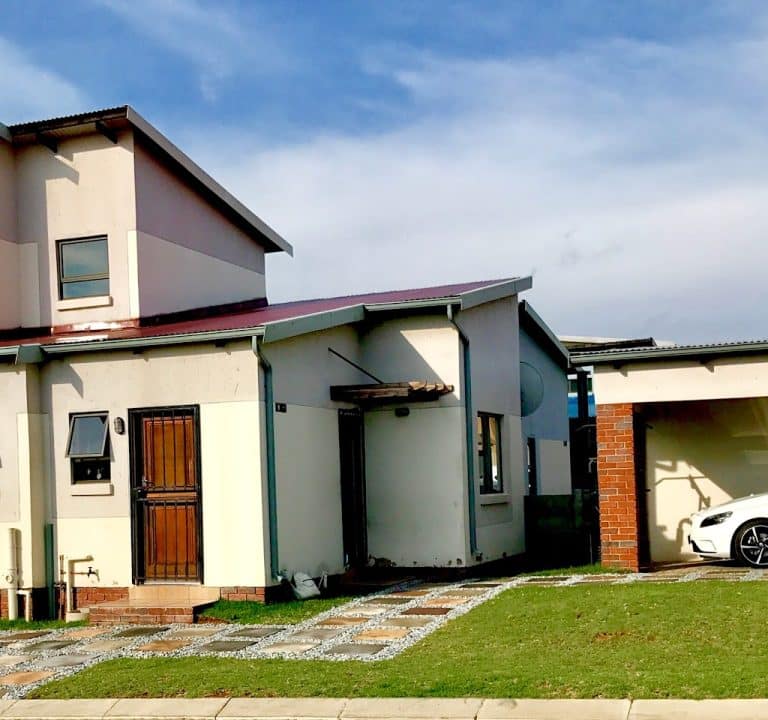
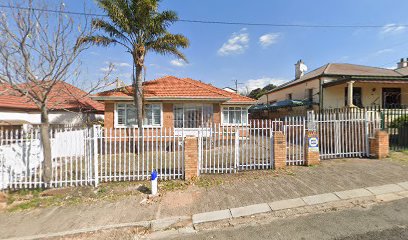
In planning a stay around Summerset Place or similar lodging options, aim to balance rest with exploration. A well‑chosen base can streamline your days, letting you weave together contemporary culture, local cuisine, and neighbourhood flavour with comfort and security. Always confirm the latest travel advisories and local guidelines before departure, and enjoy a stay that reflects Johannesburg’s energy, warmth, and endless possibilities for memorable experiences.