Gqeberha: A Practical Guide to Accommodation, Areas, and Local Experiences
Gqeberha, commonly known as Port Elizabeth, offers a varied range of places to stay, from intimate B&Bs and guesthouses to contemporary hotels and coastal lodges. When planning a visit, consider the city’s diverse neighbourhoods, climate, and transportation options to tailor your stay to your interests—whether you are chasing the beach, wildlife encounters, or cultural experiences.
Areas to consider for your stay include the beachfront precinct and the nearby suburbs that blend accessibility with calmer streets. The beachfront and harbour area is ideal for first-time visitors who want easy access to the sea, scenic views, and a selection of dining options within strolls of your accommodation. For a quieter, more residential feel, look to leafy suburbs and inland pockets that still offer convenient links to the city centre and business districts. If you are visiting for outdoor activities or a longer escape, consider staying nearer popular nature reserves or coastal trails, where you can walk straight from your door to the outdoors.
When choosing accommodation, think about the kind of experience you prefer. A stylish hotel near the water might suit those who value on-site facilities and daily housekeeping, while a guesthouse or B&B can provide a more personal, locally flavoured stay with host recommendations. Practical features to look for include secure parking if you are driving, reliable Wi‑Fi, and a comfortable workspace if you need to catch up on work. Breakfast options and on-site eateries can be a real plus for travellers aiming to minimise plans in the morning. If you travel with family or a group, check for family rooms or apartment-style units with separate sleeping areas.
Typical amenities you may encounter include en-suite bathrooms, air conditioning or ceiling fans for the warm coastal climate, and a calm, well‑ designed interior that emphasises comfort after a day of sightseeing. Some properties offer outdoor spaces, such as courtyards or small gardens, which can be a welcome retreat after a busy day. In terms of transport, proximity to bus routes, ride‑hailing services, or car hire outlets can dramatically affect how easy it is to explore the wider region. If you plan to visit the more rural or wildlife-focused areas, staying with reliable access to road networks will save time on longer day trips.
Seasonality plays a big part in the visitor experience. The months from late spring to early autumn typically bring mild to warm weather, ideal for beach walks along the coast and outdoor activities. The city’s maritime climate can lead to breezier conditions on the waterfront, so packing a light jacket for evenings is sensible. Travellers aiming to focus on nature and wildlife may plan trips during drier seasons when sightings can be more reliable, while food and cultural events can fill your itinerary year-round. Always check the local forecast and be prepared for quick weather changes, especially near coastal areas.
Practical planning tips to help you make the most of your stay:
- Book accommodation with clear access to safe parking or reliable transport options, especially if you plan day trips to reserves or coastal viewpoints.
- Consider your pacing: balance longer excursions with time to relax at your base, to avoid travel fatigue.
- Ask hosts or front desk staff for practical tips on local transport routes, best sunrise viewpoints, and less-touristy eateries that still offer quality meals.
- Review cancellation policies and flexibility, particularly if your plans may shift with weather or events.
- Look for properties with guest reviews that highlight cleanliness, staff responsiveness, and accurate representations of rooms and facilities.
Attractions and experiences in the area tend to span beaches, nature reserves, and cultural or heritage sites. Coastal walks, boardwalk strolls, and opportunities to learn about the region’s maritime history are common themes. Wildlife enthusiasts may find day trips to nearby conservation areas rewarding, while family-friendly activities often revolve around interactive museums, parks, and beaches. When it comes to dining, the city offers a range of casual eateries and refined venues where you can sample seafood, regional flavours, and contemporary dishes. While specific restaurant names and prices can vary, the best advice is to explore in person and ask for recommendations from your hosts or hotel staff based on your culinary preferences.
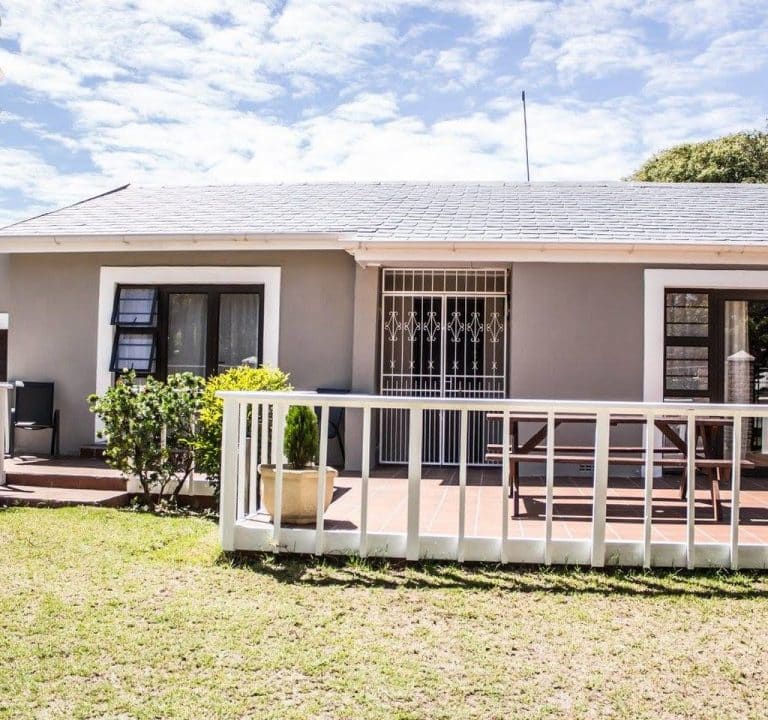
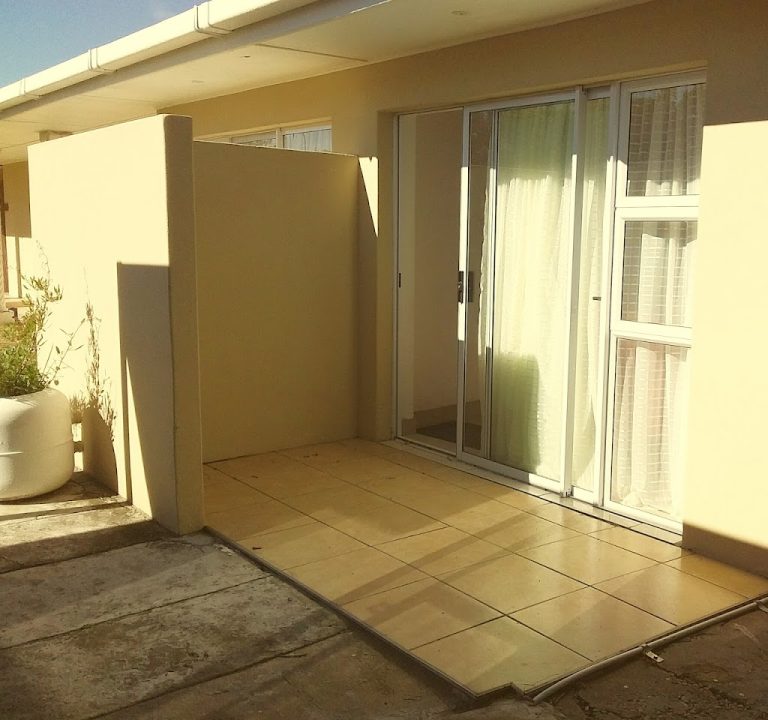
For the accommodation highlighted here, consider SU CASA B&B as a sample of the kind of stay you might find in Gqeberha. More information about the property can be found on its official page: SU CASA B&B. This kind of destination-friendly option often combines a comfortable, home-like atmosphere with personalised insights into local attractions and dining.
To make the most of your visit, plan a transit-friendly itinerary that places beaches, viewpoints, and central hubs within reachable distances. Start with a coastal morning, enjoy a relaxed lunch at a heartening venue, and finish with a sunset stroll along the harbour or a scenic lookout. Whether you are visiting for a short city break or a longer coastal escape, Gqeberha’s mix of accommodation styles, outdoor access, and approachable dining makes it a convenient and rewarding base for exploring the Eastern Cape.