Staying in Marloth Park: accommodation, attractions and practical planning
Marloth Park in Mpumalanga sits between the Krokodilrivier and the Kruger National Park’s southern reaches, offering a laid‑back base for wildlife viewing, nature walks and relaxed family escapes. The area is characterised by leafy private lodges, self‑catering homes and bushveld cottages set along riverfronts where animals are a common, welcome neighbour. When planning a stay, consider how you want to balance comfort with easy wildlife access, self‑catering convenience and the level of seclusion you prefer.
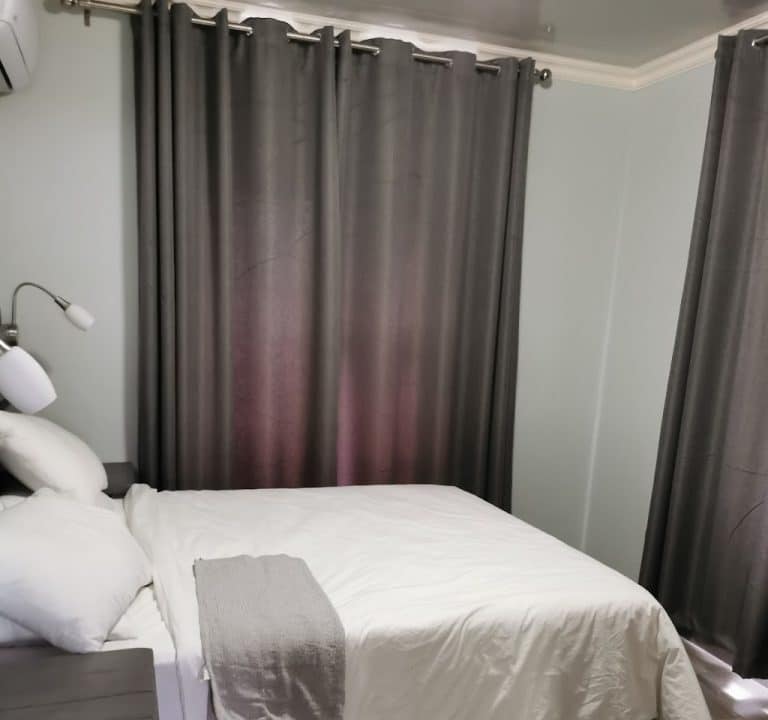
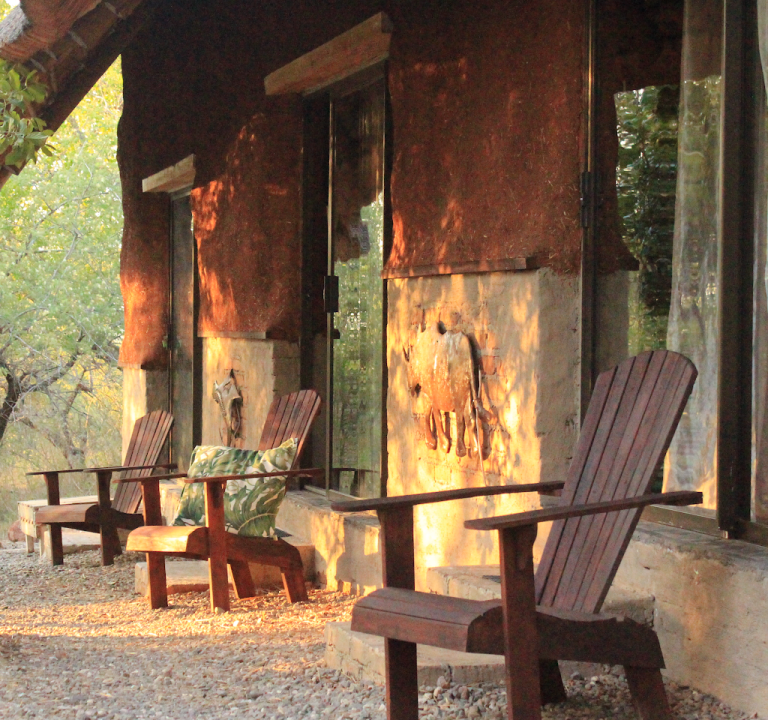
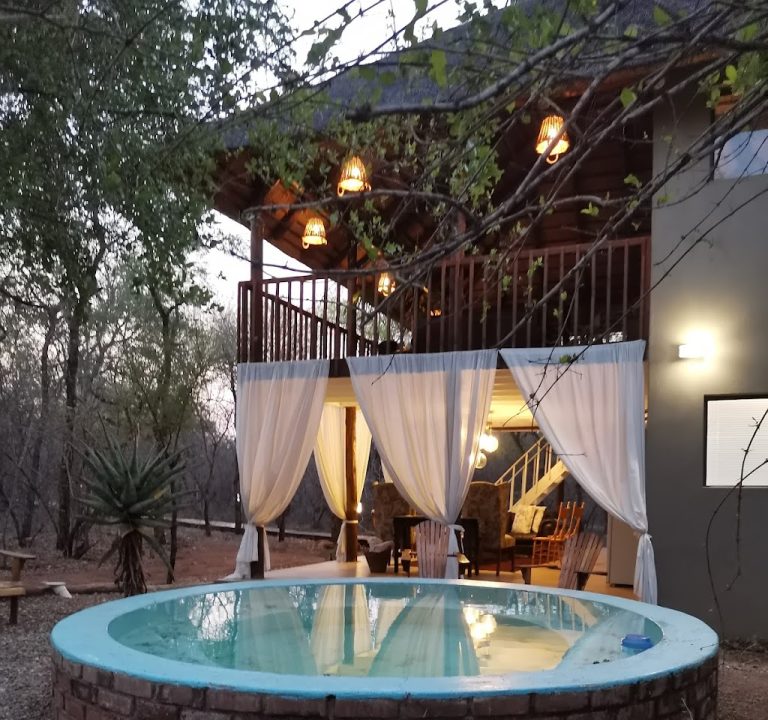
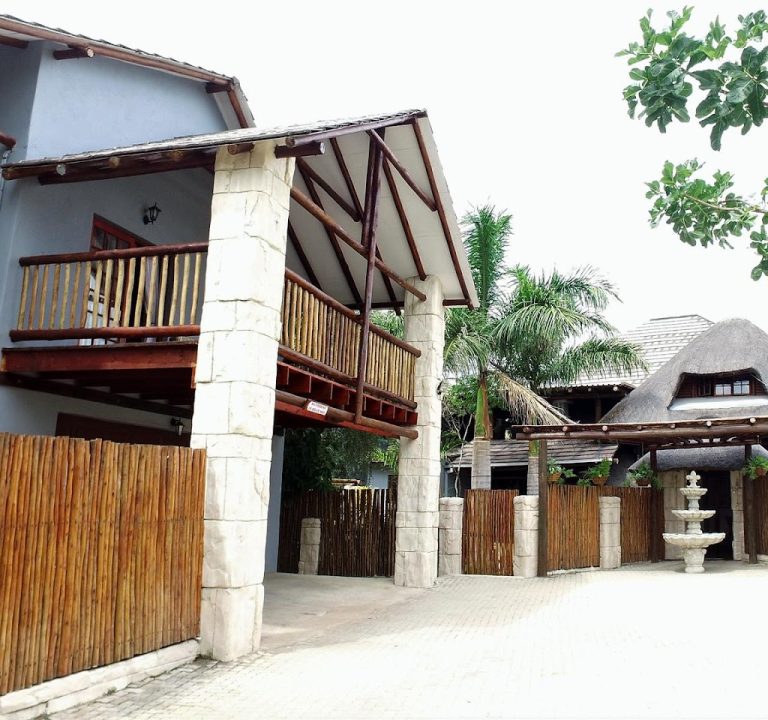
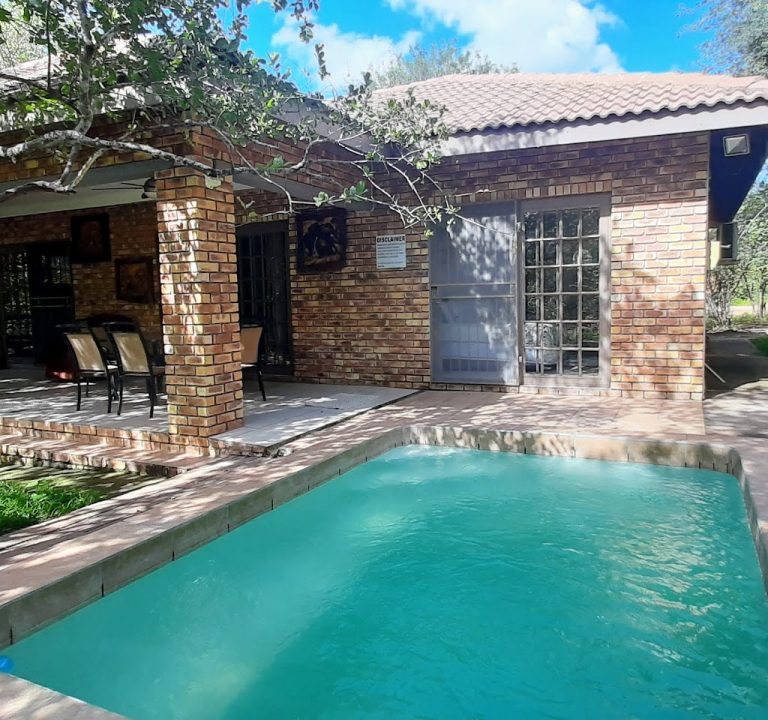
Accommodation options in Marloth Park are predominantly self‑catering or lodge‑style, designed to blend with the landscape. Typical properties range from spacious bush‑veld houses with multiple bedrooms to intimate cottages with self‑contained kitchen facilities. Many units boast outdoor braai (barbecue) areas, covered verandas or decks with wildlife views, private pools, and teleportable wifi for keeping in touch with home while you switch off from daily routines. Look for properties that clearly indicate they accommodate the number of guests in your party, provide secure parking, and offer housekeeping or weekly cleaning services if you desire a low‑hassle stay.
When selecting a base, think about access to the reserve gates and preferred activities. If you plan frequent game drives or guided walks, a property closer to the Marloth Park entrance or the central conservation areas can cut down time in transit. Conversely, if you prioritise tranquillity and a secluded ambience, a riverside or forest‑edge location may be more suitable. Many units advertise private or shared accessibility to the Lions Route and waterholes, which can be prime for wildlife sightings at dawn or dusk.
Key amenities to look for include reliable air‑conditioning for hot summer days, ceiling fans for comfort, adequate kitchen facilities (oven, hob, fridge, dishwasher if available), and a dependable hot water supply. A good property will provide essentials such as clean linen, towels, and a well‑equipped kitchen with cooking utensils. If cooking is part of the experience, a well‑stocked grocery shopping option nearby or on‑site provisioning can save time after your arrival. Safety features to check include secure perimeters, functional locks, and clear guidance on how to enjoy wildlife responsibly on the property’s grounds.
Transport in Marloth Park typically requires a hire car; the area is spread out and public transport is limited. A private vehicle enables easy trips to Kruger’s gates, local markets, and any arranged activities. If you are planning a self‑drived safari, consider bringing a GPS or a reliable map, and confirm driving conditions with your host, as some roads may be dusty or unpaved in places. For those without a car, check whether your accommodation offers a shuttle service or proximity to guided tours, though most visitors find a car essential for flexibility and access to nearby towns such as Komatipoort or the Kruger gates.
The best time to visit Marloth Park depends on your wildlife interests and tolerance for heat and rainfall. The dry winter season (roughly May to September) often brings pleasant days for game viewing as animals gather around water sources, with cooler nights. The shoulder months can balance comfortable daytime temperatures with excellent photography opportunities. The rainy summer period (roughly November to March) brings lush scenery and dramatic skies, but wildlife visibility can be more variable due to denser vegetation and afternoon showers. Malaria risk is present in some parts of Mpumalanga, so travel plans should include appropriate precautions where advised by health authorities.
Planning tips to help you maximise the stay include:
- Book early for peak seasons and school holidays, especially for larger groups or properties with excellent wildlife outlooks.
- Clarify housekeeping arrangements, linen changes, and any additional costs for electricity or water, which can be a factor in some bush properties.
- Ask about on‑site or nearby guided activities, including nature walks, birdwatching sessions, and night drives—these can dramatically enhance wildlife experiences without long travel times.
- Discuss animal safety guidelines with hosts, such as respecting fences, never feeding wildlife, and how to store food securely to avoid attracting animals to living spaces.
- Plan dining and provisioning by noting how far away larger supermarkets or fresh produce markets are, and whether the property offers a delivery option from local shops.
While Marloth Park itself is a sanctuary for wildlife and a gateway to Kruger National Park experiences, there are also places to rest, dine and explore nearby. In general terms, expect a range of on‑site or nearby dining options, where hosts or local operators provide seasonal meals or recommended eateries focusing on South African fare and simple, hearty dishes. For broader choices, day trips to Kruger Gate areas offer world‑class safari encounters, while local riverside walks and birdwatching spots provide a gentler pace for those content to stay closer to nature in Marloth Park.
To plan more effectively, consult reputable travel resources for Marloth Park and Kruger‑adjacent experiences. General guidance and updates on park access, conservation guidelines and visitor information can help you tailor a stay that aligns with wildlife viewing, relaxation and practical budgeting. For ongoing updates on regional conservation and park news, you can visit official conservation portals and park websites. A well‑curated stay in Marloth Park blends comfortable, well‑equipped accommodation with easy access to wildlife and nature‑led activities, offering an authentic South African bushveld escape.