Accommodation and experiences in Marloth Park, Mpumalanga
Nestled beside the Crocodile River and adjacent to the world-renowned Kruger National Park, Marloth Park offers a relaxed, wildlife-forward base for travellers exploring Mpumalanga. The area is characterised by free-roaming wildlife that wanders through leafy streets and along communal areas, making every stay feel like an immersive safari. When planning a visit, consider staying in one of Marloth Park’s lodge-like retreats, guesthouses or boutique properties that combine comfortable amenities with easy access to nature and self-drive adventures.
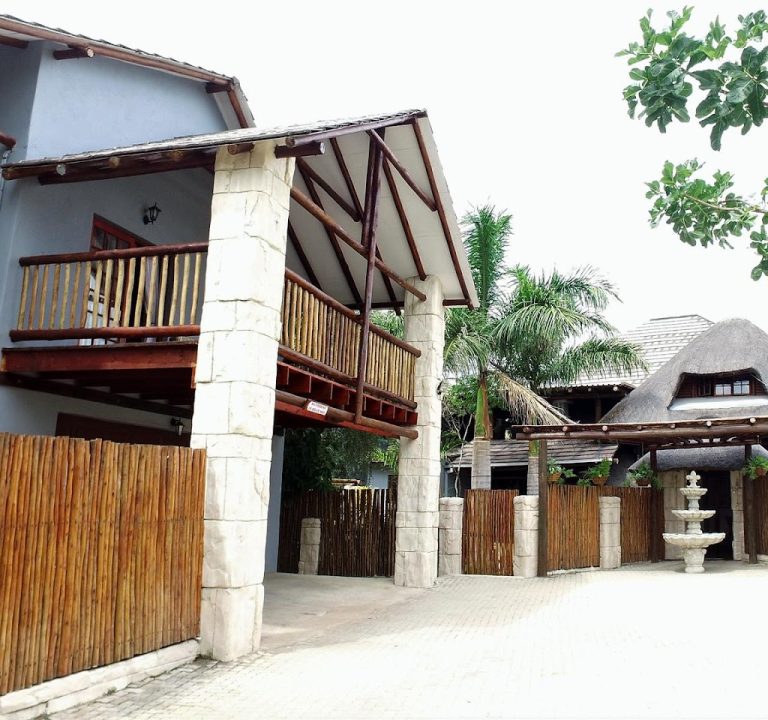
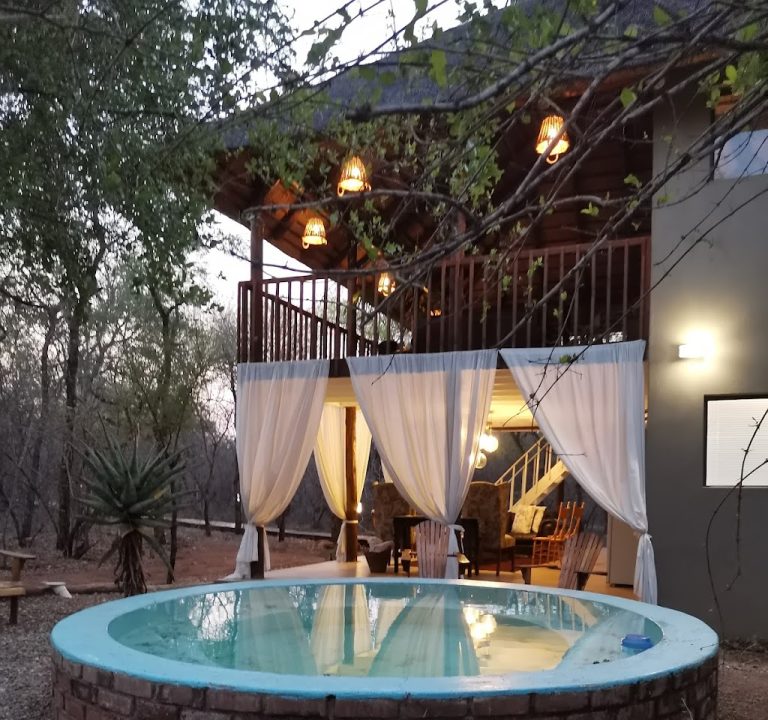
Accommodation options span self-catering bush lodges, intimate boutique stays and more conventional hotels within reach of the park’s edge. A standout option in the region is Beyond The Boma Boutique Lodge, which embodies the spirit of Marloth Park with well-appointed suites, welcoming communal spaces and proximity to wildlife-viewing spots. For travellers seeking consistency and a touch of luxury, the lodge’s site provides practical information on location and availability for planning purposes: Beyond The Boma Boutique Lodge.
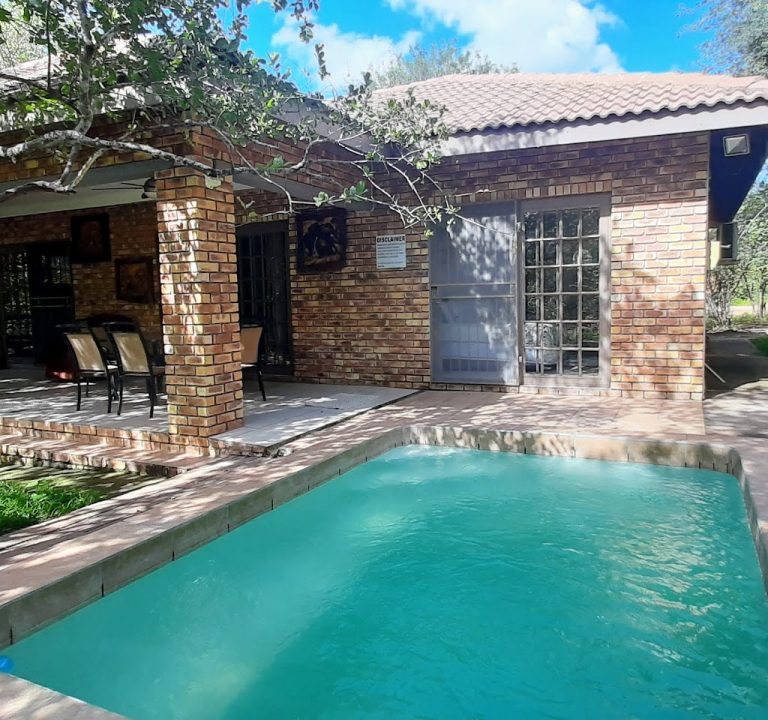
When choosing where to stay, think about proximity to key wildlife viewing areas, gate access to Marloth Park’s own wildlife conservancies, and whether you prefer a more secluded setting or a property that offers on-site dining and guided activities. Several lodges and guesthouses in Marloth Park range from cosy, homely stays to more expansive properties with private pools and wrap-around decks. Look for accommodations that emphasise outdoor living—sun-lit verandas, outdoor dining spaces, and rooms designed to maximise natural light and views of the surrounding bush.
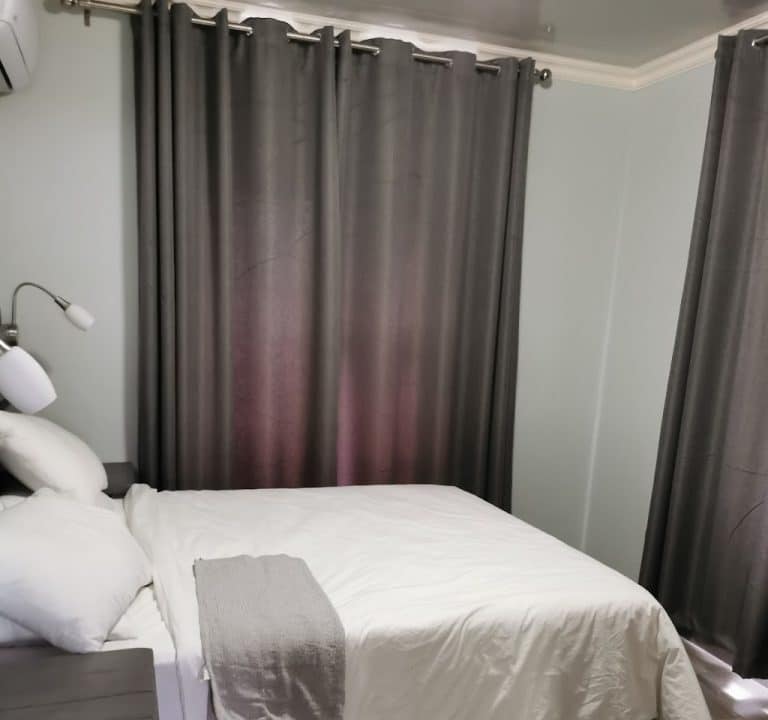
Typical amenities you’ll encounter include private balconies or decks with river or bush views, fully equipped kitchens or kitchenettes, air conditioning or ceiling fans, Wi-Fi in public areas, and on-site parking. Some properties offer organised game drives or guided bush walks, while others provide recommendations for self-guided safaris along the Crocodile River. If you’re travelling with family or large groups, check for multiple-bedroom options, secure fencing or wildlife-safe features, and communal spaces where guests can gather after a day in the bush.
Getting around Marloth Park is straightforward, but a few practical considerations help maximise your time. The area is best explored by car, either a rental or a private vehicle. Many guests favour a self-drive approach to Kruger National Park’s southern and eastern gates, which offers flexibility to stop at viewpoints and lookouts. When planning park visits, bear in mind the need for a Kruger Park permit and the park’s rules regarding animal viewing. If you’re not confident about self-driving in wildlife-rich areas, enquire about guided game drives or bush walks offered by your accommodation or local operators.
Best time to visit Marloth Park depends on your priorities. The dry winter months (roughly May to September) bring cooler days and excellent wildlife visibility as animals congregate around water sources. This period is popular for game viewing, with long daylight hours and fewer insects. The shoulder seasons offer a balance of wildlife viewing and milder weather. The summer wet season (roughly November to February) brings lush vegetation, dramatic skies, and buzzing birdlife, but the heat and occasional rains require preparation, particularly for outdoor activities and outdoor dining.
Planning practical aspects ahead helps ensure a smooth stay. Pack layers to cope with cool evenings, sun protection for daytime outdoor activities, and a reliable means to keep in contact with guide services or hotel reception. When budgeting, factor in park entrance fees, guided activities if desired, and any meals or drink inclusions offered by your accommodation. If you’re seeking a sense of quiet waterfront surroundings, choose properties with riverside access or views that enable wildlife viewing from the comfort of your terrace or living area.
In Marloth Park, you’ll find a variety of dining options that suit different tastes. Many lodges and guesthouses offer on-site dining or arrange braai facilities for guests—a quintessential South African barbecue experience that pairs well with evening wildlife sightings. If you wish to sample local flavours beyond your doorstep, ask your host for recommendations on nearby eateries or markets where you can taste regional produce and prepared dishes. General-purpose restaurants and lounge-style spaces in the vicinity often provide relaxed atmospheres that suit families and groups looking to unwind after a day in the bush.
Useful tips for a rewarding stay:
- Choose a property with a comfortable veranda or outdoor seating where you can watch the wildlife at dawn and dusk.
- Ask about safety features such as secure parking, mosquito protection, and bug screens on doors and windows.
- Plan at least one guided activity or a self-drive river excursion to maximise wildlife encounters.
- Check gate opening times and any rules related to accessing neighbouring reserves or private land.
- Respect wildlife by maintaining a safe distance and keeping noise levels down during early morning or late afternoon hours.
Whether you’re after tranquil riverfront scenery, authentic bush experiences, or a comfortable base for exploring the wider Mpumalanga region, Marloth Park offers a thoughtful mix of accommodation, nature, and convenience. With careful planning—considering location, amenities, and the type of wildlife encounters you hope to enjoy—your Marloth Park stay can become a memorable chapter in a South African adventure. For more information on specific properties and availability, visiting the official sites of Marloth Park lodges and guesthouses will help you tailor an itinerary that suits your travel style and budget.