Queenstown, Eastern Cape: Accommodation, Attractions, and Practical Planning for a Enjoyable Stay
Queenstown in the Eastern Cape is a friendly town known for its scenic surroundings, heritage streets, and easy access to outdoor pursuits. When planning a stay, consider the different neighbourhoods and what you want from your visit: a tranquil base amid farmland and rolling hills, or a more central spot close to eateries and shops. Booking a bed-and-breakfast, guesthouse, or small hotel can offer a warm, personalised experience that showcases local hospitality and character.
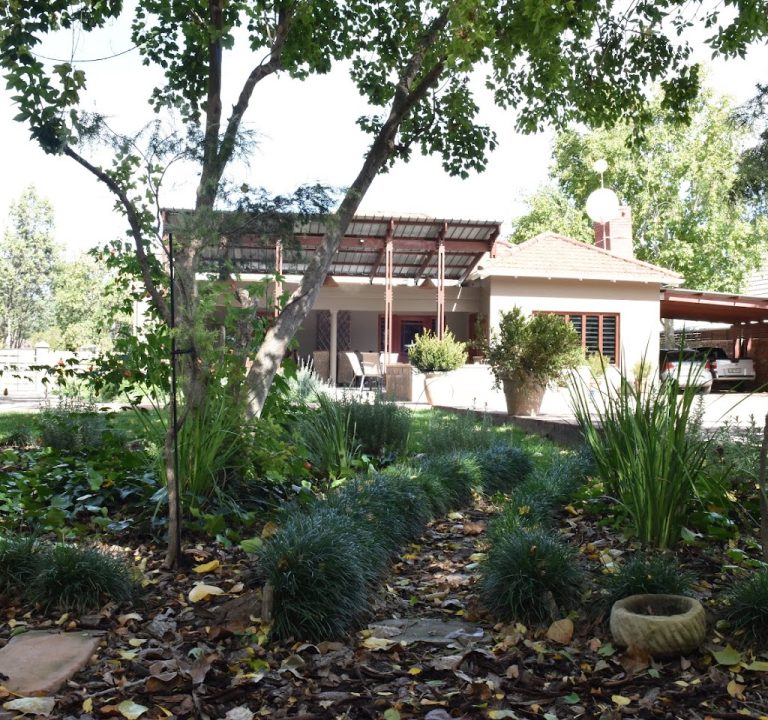
One example of a welcoming option is Stonehouse guesthouse, a bed & breakfast style stay that captures the charm of a home-away-from-home while providing comfortable facilities for travellers. Spots like this often prioritise generous breakfasts, cosy communal spaces, and attentive hosts who can point you toward local trails, markets, and historical highlights. When selecting accommodation, look for clear, detailed descriptions of room types, whether there is on-site parking, and what kind of breakfast or dinner service is offered. If you are travelling with family or a group, check room configurations and accessibility, as well as any pet policies if relevant.
Areas to consider when choosing where to stay include the town centre for convenience, with easy access to shops and eateries, and quieter, residential streets closer to the surrounding countryside. If you plan to use a car, confirm parking arrangements and driving routes to nearby nature reserves, viewpoints, and day trips. For walkers and hikers, a base near gentle slopes or established trails makes it easier to enjoy morning or sunset outings without long transfers.
Typical amenities to look for include free Wi-Fi, secure parking, private or en-suite bathrooms, and climate control suitable for the region’s seasonal changes. A well-appointed guesthouse or hotel may offer breakfast options, a communal dining area, and a cosy lounge or verandah where you can unwind after a day of exploring. Some properties also provide laundry facilities, bag storage, or organised experiences such as guided walks or market visits. If you are relying on public transport, check proximity to bus routes or signage for easy navigation around town.
Seasonality affects planning in Queenstown. The best time to visit depends on what you want to do: the spring and autumn months offer mild weather ideal for outdoor strolls and photography, while summer invites longer days and the chance to explore surrounding countryside. Winters can be cooler, so choose accommodation with heating and warm communal spaces. If you are aiming to see specific seasonal produce markets or cultural events, it’s worth coordinating dates with your host or checking the town’s visitor information for event calendars.
Practical tips for planning your stay in Queenstown include budgeting travel time for day trips to the broader Eastern Cape region. The town is a convenient stopover on routes heading toward the coast or inland landscapes, providing a restful base before continuing your journey. When arranging activities, consider a mix of light and moderate experiences, such as nature walks in nearby landscapes, a visit to local museums or heritage sites, and dining at neighbourhood eateries that showcase regional flavours. Hosts can often offer recommendations for scenic drives, viewpoints, and quieter spots away from the main thoroughfares.
Transport options are straightforward for visitors. If you arrive by car, having a comfortable base with parking simplifies exploration of local and surrounding routes. For those relying on public transport, plan ahead by confirming timetable information and how far the nearest stops are from your accommodation. Walking is enjoyable in Queenstown’s town centre, where you can soak up the laid-back atmosphere, browse small shops, and pause at cafés to refuel between outings. For longer excursions, a rental car or organised tour can be sensible to maximise time and flexibility.
Attractions in the Queenstown area are best enjoyed with a flexible itinerary. You can expect a combination of scenic natural landscapes, pause points along quiet country lanes, and local heritage glimpses that reveal the town’s character. While specific names and prices are subject to change, visitors commonly discover opportunities for short nature walks, viewpoints with sweeping vistas, and informal museum displays that recount the region’s history and agricultural roots. Dining options generally focus on home-style meals and seasonal produce, with cafés and restaurants offering hearty fare that suits travellers looking for reliable sustenance without long drives.
For more information about planning your trip and discovering what Queenstown, Eastern Cape has to offer, official tourism resources and regional guides can be useful. They provide up-to-date details on local facilities, seasonal highlights, and practical travel tips. Visiting websites such as national and regional tourism portals can help you assemble a balanced itinerary that aligns with your interests, travel style, and budget.
- Booking considerations: type of accommodation, breakfast options, parking, Wi-Fi, and accessibility
- Planning tips: best times to visit, transport arrangements, and day-trip flexibility
- What to expect: typical amenities, safety considerations, and the value of local hosts’ recommendations
Whether you seek a peaceful rural setting or a convenient base from which to explore, Queenstown offers a friendly environment and a sense of place that enhances any South African itinerary. Pairing a comfortable stay with gentle exploration of the area’s landscapes, markets, and eateries can make your visit memorable. For inspiration and practical planning, you can start with reputable regional guides and official tourism pages that highlight current events and accessible experiences.