Queenstown, Eastern Cape: accommodation and experiences for a well‑planned stay
Queenstown on the eastern edge of the Eastern Cape offers a compact, friendly base for visitors exploring the region’s landscapes, history and rural charm. When choosing accommodation, consider the layout of the town and how you plan to move around. A stay centred in the town’s core makes it easy to stroll to cafés, shops and local attractions, while a hillside or outlying guesthouse can provide quieter surroundings and far-reaching views. Options range from intimate bed and breakfasts and guesthouses to modest hotels and self‑catering cottages, all with varying amenities to suit different itineraries and budgets.
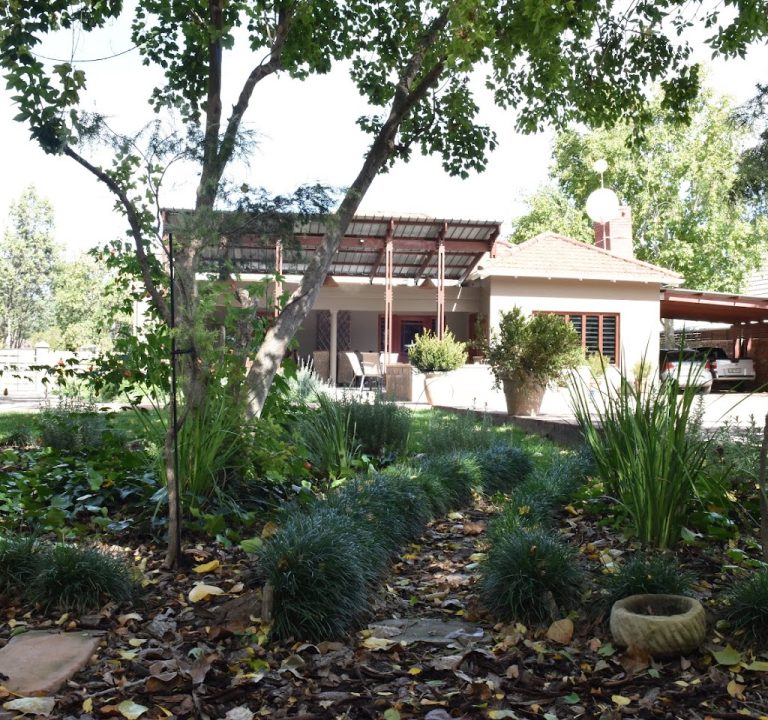
For a quintessential stay, a well‑run bed and breakfast such as K B’s Exclusive B&B (as a reference for a typical guesthouse experience) can offer a personalised welcome, comfortable rooms, and a home‑from‑home feel. When booking, look for hosts who can share local tips on terrain, weather patterns and community events. Practical extras to consider include secure parking, transparent cancellation policies, self‑check‑in options, and easy access to public transport or private transfers. If you’re travelling with family or a small group, enquire about family rooms or suites, as well as facilities like a kitchenette or communal living spaces.
Accommodation in Queenstown often balances character with practicality. Expect rooms with en‑suite bathrooms or well‑appointed shared facilities, wardrobe space for longer stays, good natural light, and reliable Wi‑Fi. A savoury breakfast is a common perk at B&Bs and some guesthouses, providing a reliable start to day trips. Seasonal décor and attention to detail—such as fluffy towels, quality bedding, and steady hot water—make a meaningful difference when you’re away from home. Accessibility options vary, so if mobility is a factor, check the property’s stairs, lift availability, and bath or shower configurations in advance.
Area scouting is worth the effort. The town centre is convenient for visitors who want to pop out for coffee, markets, or a relaxed dinner, while more rural pockets around Queenstown can be ideal for scenic mornings or late‑afternoon walks. If you’re seeking a balance between quiet and convenience, a property on the town fringe or a short drive from central services can reduce street noise while still keeping you within easy reach of eateries and stores. Remember to consider parking arrangements if you plan to hire a car, which is often the simplest way to explore the wider region.
Transport and getting around are practical planning considerations. A car offers the greatest flexibility to visit nearby farms, viewpoints, and historic sites, though local taxis often cover short trips to markets and eateries. If you prefer independent exploration, check whether your accommodation provides guided walk options, bike rental, or easy access to public transport routes. When planning day trips, map out where you’ll start and finish, and factor in extra time for changing weather, especially in hillier areas where visibility and road conditions can vary.
The best time to visit Queenstown depends on what you want from the visit. Summers are typically warm and pleasant, suitable for outdoor strolls and farmers’ markets, while autumn can bring cooler days with vibrant foliage. Winters are cooler and can be misty or breezy, so pack a mix of layers, a light waterproof, and sturdy footwear. Spring brings renewing light and countryside colour, a good period for outdoor activities and off‑season Inner‑Town experiences. Consider local event calendars for seasonal fairs, markets, and cultural gatherings, which can add a memorable dimension to a short stay.
What to do and see in the area tends to cluster around landscape appreciation, cultural history and rural life. In broader terms, you’ll find accessible viewpoints and nature trails suitable for varied fitness levels, with opportunities to learn about the local farming heritage and traditional crafts. Planning ahead for longer trips can include a day or two dedicated to nearby towns and nature reserves, giving you a sense of the region’s character beyond the town itself.
When it comes to dining and casual meals, Queenstown offers a selection of eateries ranging from cafés with hearty breakfasts to family‑friendly diners and more contemporary options. If you’re after a relaxed evening, look for places that focus on fresh, locally sourced ingredients and friendly service. Many venues are happy to accommodate dietary preferences, provided you let them know in advance. For a broader taste of the region, consider combining a meal with a short walk or a stroll along a local avenue to enjoy the town’s relaxed atmosphere and architectural details.
Practical tips to help you plan your stay:
- Book with consideration to noise levels, parking facilities, and proximity to the town centre or your preferred quiet area.
- Check the inclusion of breakfast, kitchen access, and laundry facilities if you’re on a longer break.
- Confirm the distance to key attractions and the typical travel time by road, especially if you’re basing yourself on a tight itinerary.
- Pack layers for variable weather and sturdy footwear for uneven paths or rural trails.
- Keep a small amount of local cash for markets and informal places that may not accept cards.
Queenstown offers a gateway feel rather than a high‑speed tourist hub, inviting visitors to ‘slow travel’ and engage with the town’s warmth and surrounding countryside. With thoughtful accommodation choices and a flexible plan, you can enjoy both the comfort of a welcoming stay and the richness of the area’s experiences, from panoramic views to relaxed dining and gentle excursions.