Cape Town: Accommodation, Planning and Experiences for a Memorable Stay
Cape Town blends dramatic natural scenery with a cosmopolitan city life, making it a destination where your choice of neighbourhood shapes your experience as much as the rooms you book. When planning a stay, consider what you want to balance: beach proximity, mountain access, culinary scenes, and ease of getting around. The city offers a spectrum of stays—from boutique BnBs and guesthouses tucked into quiet hills, to stylish hotels along the Atlantic coast and modern apartment hotels near the V&A Waterfront. A well-chosen base can cut travel time and keep your days relaxed rather than spent chasing transport.
Key areas to consider include:
- V&A Waterfront and Green Point: Excellent for first‑time visitors, with easy access to tours, iconic views of Table Mountain, and a lively waterfront atmosphere. Good choice for convenience and safety, with plenty of dining and transport options close by.
- City Bowl and De Waterkant: Central, walkable, and full of character. You’ll find stylish boutique stays, vibrant nightlife, and a strong selection of restaurants and cafés within easy reach.
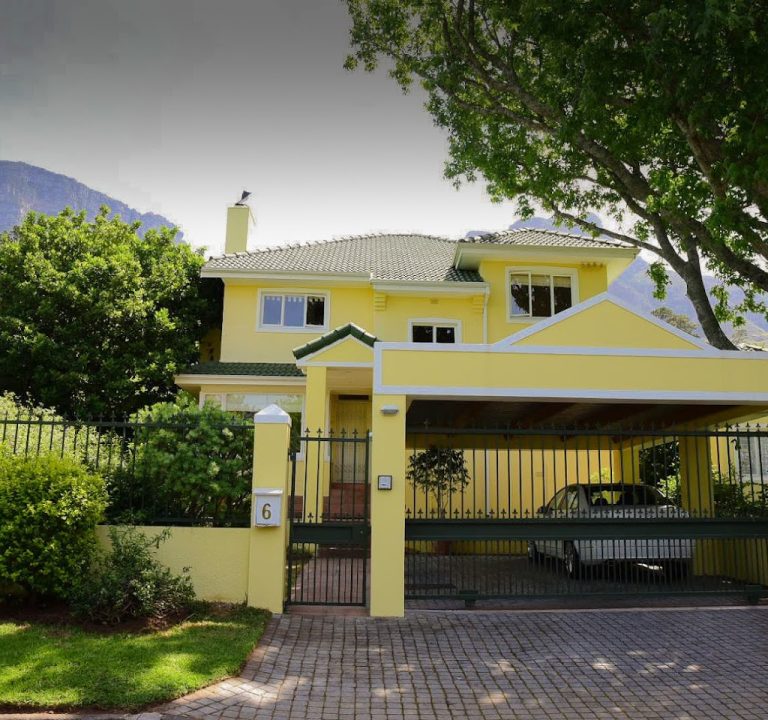
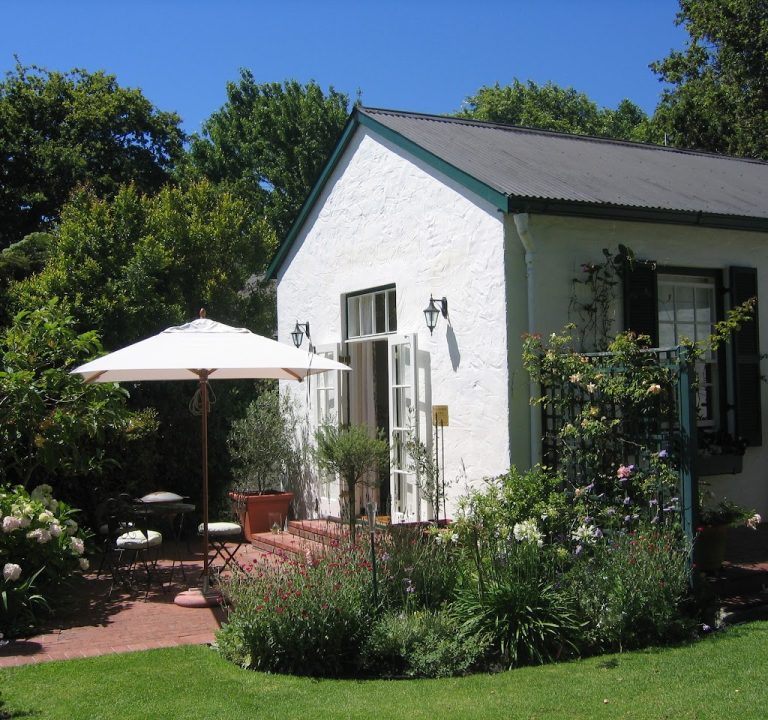
- Constantia and Southern Suburbs: Ideal for a more relaxed pace, leafy scenery and easy access to wine estates. Great for travellers seeking a quieter stay with spacious rooms and garden surroundings.
- Camps Bay and Clifton: For those chasing sun, sea, and sunsets, with dramatic coastal scenery and higher-end lodgings. Expect striking ocean views and refined amenities.
- Woodstock and Observatory: Trendy neighbourhoods with creative energies, independent eateries, and a more affordable range of accommodation without compromising character.
What to look for when booking a place:
- Location relative to planned activities: decide whether you want to be near the harbour, the city centre, or quieter escape routes up the mountain.
- Access to transport: check if the property is near MyCiTi buses, train routes, or has easy car access. If you’ll be driving, confirm parking arrangements and any permits needed.
- Amenities: reliable Wi‑Fi, a comfortable workspace, a well‑equipped kitchenette or breakfast service, and air conditioning or heating for varied Cape Town weather.
- Guest experience and flexibility: consider cancellation policies, guest reviews, and whether the property offers self check‑in for convenience after day trips.
- Security and safety: choose properties with good lighting, visible reception or management on site, and secure access, especially if you’ll be out late or exploring after dark.
Typical accommodation types you’ll encounter include charming BnBs with personal touches, guesthouses offering a friendly, local atmosphere, self‑catering apartments ideal for longer stays, and boutique hotels that blend comfort with design. A stay can be as simple and affordable as a well-located guesthouse, or as refined as a boutique hotel with ocean views. For a convenient option that blends locality with guided access to experiences, consider stays operated by providers who curate comfortable spaces alongside practical tips for exploring the region.
Practical planning tips:
- Best time to visit: spring (September to November) and autumn (March to May) offer milder weather and fewer crowds. Winter (June to August) is cooler and wetter, but can be ideal for a focus on indoor experiences, museum visits, and forested table‑land trails after a rain shower.
- Transport: if you plan to drive, it’s handy to rent a car for day trips to the Cape Winelands, Cape Point, and if you want to explore hillside neighbourhoods beyond the city. Public transport is available, but a car can save time for longer excursions.
- Weather preparation: coastal winds can be strong; layer your clothing and carry a light jacket for evenings along the Atlantic seaboard.
- Food and dining planning: Cape Town’s dining scene is diverse, from casual eateries to refined venues. Look for places that offer early‑bird or set menus if you’re balancing meals with day tours or sunset trips.
- Booking smart: read recent guest reviews for fresh insights into security, noise levels, and housekeeping standards, and check cancellation terms in case plans shift.
Attractions and experiences to include in your itinerary, in broad terms, span iconic coastal viewpoints, nature reserves, and cultural districts. You might enjoy a cable‑car ascent for panoramic views of Table Mountain, time spent along the waterfront with its maritime heritage, and strolls through historic precincts that reveal Cape Town’s diverse communities. For a taste of the region’s flavours, seek out restaurants and markets that showcase seasonal produce, seafood and wines from nearby valleys. Outdoor adventures such as coastal hikes, marine life encounters, and vineyard visits can be combined with city‑centre days for a balanced stay.
Accommodation options worth exploring to anchor a stay in Cape Town include stays like Stay Centred, which offer a convenient base with location advantages and service that supports traveller needs. For more information, visit the Stay Centred listing at Stay Centred.
With thoughtful planning, your Cape Town visit can be both relaxing and enriching. Balancing your base with a mix of neighbourhood flavours, scenic day trips, and downtime will help you make the most of the Western Cape’s capital—an area where dramatic landscapes and warm hospitality converge to create memorable stays.