Cape Town Accommodation and Experiences: Planning Your Stay
Cape Town, with its dramatic landscapes, vibrant neighbourhoods and close proximity to the Atlantic coast, offers a wide range of places to stay. From characterful guesthouses in leafy precincts to stylish hotels along the foreshore and contemporary apartments in bustling neighbourhoods, planning where to base your visit can greatly shape your experience. When choosing a stay, think about what you want to be close to—whether it’s a beach, a city buzz, or easy access to the iconic landmarks that draw travellers to this region.
Accommodation options span several key areas, each with its own character. The city centre and the foreshore offer proximity to museums, markets and easy transport links. The Atlantic Seaboard, including Camps Bay and Clifton, delivers dramatic sea views and a resort feel. The Constantia Valley and the southern suburbs provide a quieter, more residential atmosphere with access to wine routes and green space. For a bohemian vibe, the Old Town and nearby areas around the harbour blend history with hip cafés and galleries. When evaluating a property, consider your priorities: comfort and amenities, proximity to transport, and the ambience that best suits your plans.
Typical amenities you might encounter include reliable Wi‑Fi, a well-equipped kitchen or coffee facilities, daily housekeeping, and secure parking or easy access to public transport. Many places offer extra touches such as plunge pools, balconies with harbour or mountain views, or a resident lounge. For business travellers or families, look for quiet rooms, ample storage, and flexible check-in options. If you’re seeking a stay that supports longer explorations, evening reception areas and on-site dining can be convenient, but a short walk to a lively street or market often adds much to the experience.
Transport is an important planning piece in Cape Town. The city has a growing network of urban buses and ride‑hailing options, but some areas are best accessed by car. If you choose a centrally located hotel or guesthouse, you’ll likely be within easy reach of tourist hubs on foot or by short taxi rides. For trips to the Cape Peninsula, wine villages, or the Cape Winelands, consider rentals or tours with included transport. If you prefer public transit, check how close the property is to a MyCiTi bus stop or a railway station, and whether the route planning is straightforward for your itinerary.
Best time to visit Cape Town is shaped by weather and crowds. The summer months (December to February) bring warm days ideal for beaches and outdoor activities, but can be busy. Autumn (March to May) and spring (September to November) offer milder temperatures and shoulder-season crowds, often with calmer beaches and picturesque scenery. Winter (June to August) brings a cooler, wetter mix—great for scenic drives, museums and indoor dining. Whatever season you choose, plan in advance for popular activities such as a cable-car ascent up table mountain, township tours, and coastal hikes. Early mornings and late afternoons often provide the most comfortable weather for outdoor experiences and photography.
When booking, consider a few practical details. Confirm what time the establishment’s breakfast is served, whether there are self-catering facilities, and if there are restrictions or requirements for late arrivals. If you have mobility needs, check accessibility features and the ease of entry to lifts and stairs. For safety and convenience, inquire about on-site security, lighted paths, and the surrounding neighbourhood at night. If you’re travelling with family or a group, ask about multiple-room configurations, child-friendly facilities, and nearby parks or playgrounds. If you’re interested in a taste of local life, stay in an area with farmers’ markets, craft stalls, or street-food options nearby, so you can savour the city’s flavours without long journeys.
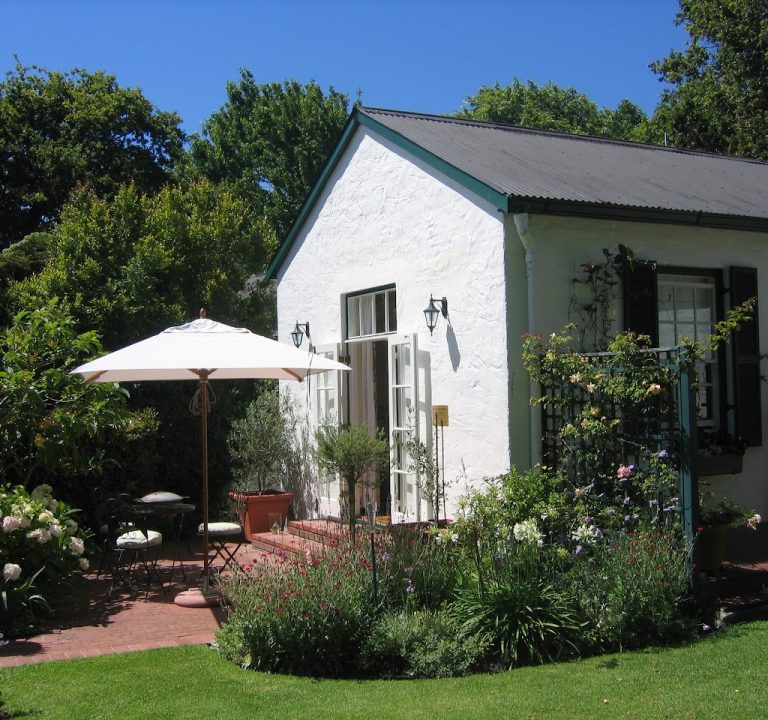
One example of the sorts of accommodations you might encounter is Charlemagne House, a boutique hotel style property that typifies central Cape Town stays. Such a property can illustrate how historic or stylish interiors are paired with modern conveniences to offer a comfortable base for exploring the city. While staying, you can enjoy easy access to a range of visitor experiences, from harbour walks and museum visits to a stroll along the promenade and sunset views from viewpoints that overlook the bay. Your choice of lodging will influence where you dine and how you structure each day, so select a property that aligns with your planned pace and interests.
Dining and experiences in Cape Town are as varied as the landscape. Expect a mix of casual cafés, bustling eateries in markets, and refined restaurants that celebrate local ingredients. Many visitors base themselves near waterfronts, busy streets, or vineyard country roads to balance morning sightseeing with relaxed evenings. For a flavourful day, combine a scenic drive along the coast with a lunch stop at a cafe offering fresh seafood or regional dishes, followed by a sunset walk or a short harbour tour. In planning meals, consider booking ahead for popular spots, especially during peak seasons, and be prepared for a blend of casual and fine dining options that showcase South Africa’s diversity and culinary spirit.
In summary, Cape Town rewards travellers who plan with intention: pick a base that suits your pace, weigh the value of proximity to sights against the tranquillity of a quieter district, and keep transport needs and seasonal weather in mind. With thoughtful selection, your stay in this remarkable city can be a comfortable, convenient, and memorable part of your South African adventures.