Cape Town Stay: Where to Base Your Visit and What to Do
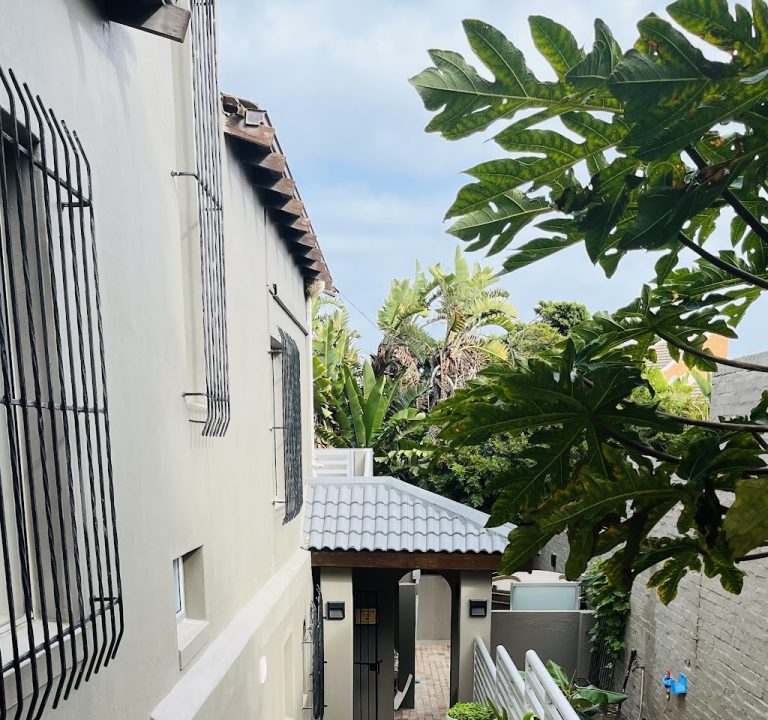
Cape Town is a city of dramatic contrasts, where mountains frame harbour views and beaches sit beside vibrant neighbourhoods. When planning a stay, choosing the right type of accommodation and a convenient base can set the tone for your entire trip. Ranging from boutique guesthouses to stylish lodges and self‑catering apartments, Cape Town offers options that suit different itineraries and budgets. A guest house such as STAY @ 11 on Gull can provide a friendly, intimate atmosphere with personalised hospitality while you explore this diverse region.
First, consider the area you wish to call home during your visit. The City Bowl and central Cape Town are ideal for first‑timers who want easy access to museums, galleries, and the historic core. The Atlantic Seaboard—from the area near the city to Camps Bay and Clifton—offers dramatic coastal scenery, sunlit beaches, and sunset views, combined with a range of restaurants and vibrant night markets. Constantia is perfect for quiet leafy lanes, wine estates, and family‑friendly activities, while Green Point and the V&A Waterfront provide a maritime vibe with easy access to public transport and day trips. Bo‑Kaap, with its colourful streets and hilltop vantage points, offers a cultural glimpse that pairs well with a stay that is walkable and well connected.
When booking, think about practical comforts. Typical amenities to look for include en‑suite bathrooms, reliable Wi‑Fi, off‑street or secure parking, and clear access to the property. A light breakfast or full English/continental options can save planning time each morning, while a well‑equipped kitchenette or shared kitchen can be convenient for travellers with specific dietary needs or longer stays. If you prefer a social atmosphere, a guest house with a common lounge or terrace provides an opportunity to meet fellow travellers and swap tips about beaches, viewpoints, and quieter neighbourhood cafés.
Transport access is often the deciding factor for many visitors. Cape Town’s public transport system includes a rapid network of buses and a commuter rail line that can link you to the city centre, the Atlantic coast, and the southern suburbs. The MyCiTi bus service is particularly useful for tourists staying in central areas or along the coast. For greater flexibility, many visitors choose a rental car or rely on ride‑hailing services for short hops between beaches, viewpoints, and fine dining. If you plan day trips to the Cape Peninsula or to wine regions further afield, ensure your accommodation either offers parking or easy access to reliable transfer options.
Seasonality also influences what you can expect from your stay. The peak tourist period runs through the Southern Hemisphere summer, when harbour air is warm and outdoor activities are plentiful. Spring and autumn are excellent for exploring outdoor markets, botanical gardens, and coastal paths with fewer crowds, while the occasional windy day is a reminder that Table Mountain and the surrounding cliffs demand light clothing and a sturdy jacket. If you are visiting during rainy spells, many restaurants and indoor attractions provide ample options to enjoy Cape Town’s culinary and cultural scene regardless of the weather.
Accommodation in Cape Town frequently emphasises connection to the outdoors. Guests commonly enjoy a morning or afternoon on terraces, courtyards, or balconies with views toward the ocean or hills. Rooms with thoughtful storage, climate control, and quietness from street noise help ensure restful nights after long days of touring. For families or groups, consider properties with flexible bedding configurations and easy access to nearby parks, beaches, or playgrounds. For solo travellers, a centrally located base with a friendly atmosphere and helpful hosts can be a real advantage, offering practical tips on hidden beaches, markets, and local eateries that may not appear in guidebooks.
To make the most of your stay, plan a mix of activities and downtime. In general terms, a balanced itinerary might include a few morning coastal walks or cable‑car rides up to viewpoints, a visit to a major landmark or museum, a stroll through a historic district, and an afternoon at a waterfront or market setting. For meals, Cape Town offers a broad range of dining experiences—from casual cafés to refined restaurants—without relying on specific names. If you have dietary preferences or time constraints, checking menus in advance or asking hosts for recommendations can help you select places that match your plans.
Helpful planning tips to keep in mind:
- Read the cancellation policy carefully and ask about flexible booking options during shoulder seasons.
- Ask about parking arrangements, security measures, and access to public transport nearby.
- Check whether the property offers a reliable breakfast service, laundry facilities, and good Wi‑Fi for work calls or streaming.
- Clarify what time meals or housekeeping services occur to coordinate your day with sights and markets.
- Pack layers for varying temperatures and a lightweight rain jacket for sudden showers or sea breezes.
In summary, Cape Town rewards travellers who blend comfortable accommodation with thoughtful planning. By selecting a well‑located base, weighing amenities against your itinerary, and keeping transport options in mind, you can enjoy both the city’s beaches and its mountain viewpoints, while sampling a wide range of casual eateries and markets. Whether you linger in a friendly guest house such as STAY @ 11 on Gull or opt for a boutique stay in a buzzing neighbourhood, your stay can become a well‑rounded launchpad for discovering this dynamic corner of the Western Cape.