Accommodating Your Cape Town Stay: Lodging, Areas, and Essentials
Cape Town, set against the Atlantic seaboard and framed by Table Mountain, offers a diverse mix of lodging options and experiences. From cosy boutique guesthouses to stylish lodges with sea views, the city’s neighbourhoods shape your daily rhythms, dining choices and access to nearby attractions. Planning a stay that combines comfort with easy access to sights, beaches and dining can help you make the most of your visit to the Western Cape.
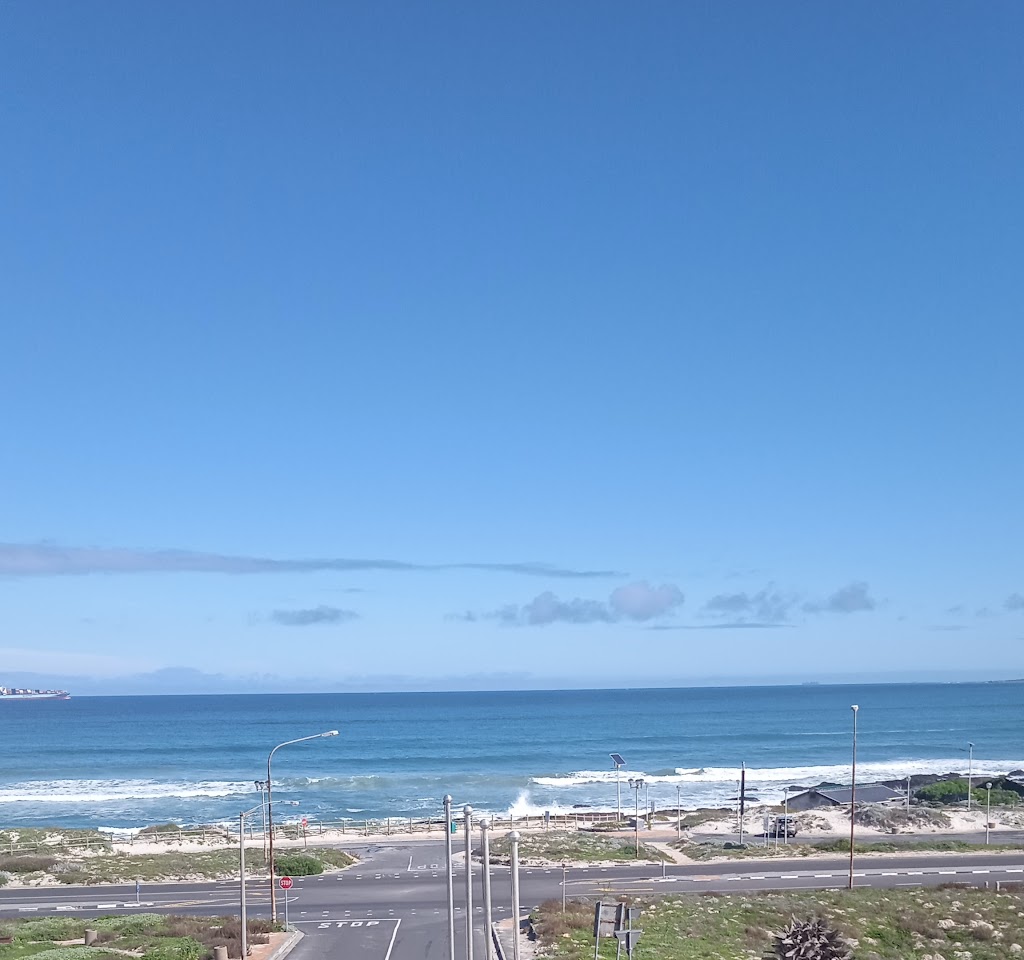
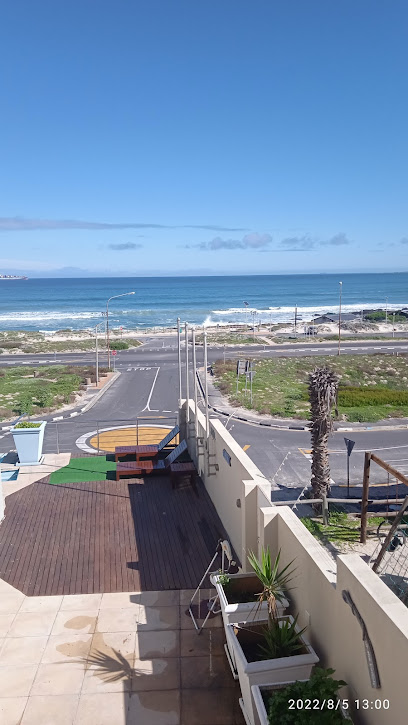
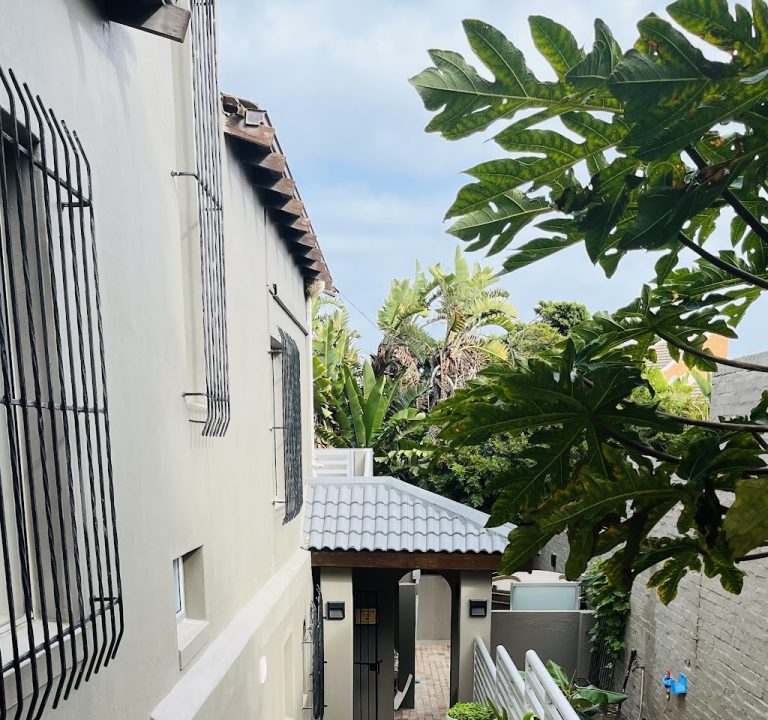
One example of lodging that embodies a relaxed yet well‑appointed stay is Oceans Nest Guest House, a lodging option that can anchor a stay in a convenient neighbourhood while giving you a home‑from‑home atmosphere. This kind of property often emphasises personalised service, comfortable rooms, and local touches that make a Cape Town visit feel restful and memorable. When choosing a place to stay, consider the vibe you want, the ease of access to your planned activities, and the level of self‑cuffing convenience you prefer.
Areas to consider for your base include:
- City Bowl and the Foreshore for proximity to central sights, museums and dining.
- Atlantic Seaboard, including Camps Bay and Clifton, for beaches, sunset views and a more resort‑like pace.
- Green Point and V&A Waterfront for easy harbour access, walks along the coast, and a range of eateries.
- Constantia Valley for a calmer, countryside vibe with wine estates and scenic walks.
- Simon’s Town and the Southern Suburbs for a quieter seaside retreat with library and boutique options.
When booking, look for practical amenities that suit a Cape Town itinerary. Key features to prioritise include reliable Wi‑Fi, a private or guest‑friendly entrance, on‑site parking or easy street parking, a well‑equipped kitchenette or breakfast options, and flexible check‑in times. If you are travelling by car, whether you rent one or rely on local transport, confirm parking arrangements and how easy it is to reach your planned routes. For travellers who prefer less driving, choose accommodation within walking distance of major beaches, the V&A Waterfront, or a convenient MyCiTi bus route.
Typical amenities to expect in modern Cape Town lodging include comfortable bedding, en‑suite bathrooms with good water pressure, climate control for variable coastal weather, basic kitchen facilities, and daily housekeeping or a clear plan for tidying services. Some properties offer communal lounges, outdoor spaces with braai/grill facilities, or a breakfast service that showcases local produce. If you have dietary preferences, check whether the property can accommodate them in advance.
Transport in Cape Town ranges from ride‑hailing and taxis to the efficient MyCiTi bus network. If you plan to visit a mix of beaches, viewpoints and cultural sites, a car can provide freedom, while rideshares offer convenience in peak traffic periods. Many visitor hotspots are near urban routes, but a short walk from accommodation to a main road or transport stop can save time. For those looking to combine sightseeing with nature, organised day trips to places such as the Cape Peninsula, Cape Point, and nearby wine regions are popular options.
The best time to visit Cape Town depends on your priorities. Summer (December to February) brings warm coastal weather for beaches and outdoor activities, though it is also the high season, so expect crowds and higher prices in popular areas. Spring (September to November) and autumn (March to May) often offer pleasant temperatures and fewer crowds, while winter (June to August) provides a dramatic landscape with the possibility of rain, which can be ideal for quieter city experiences and exploring museums or markets.
Practical tips to help you plan a smooth stay:
- Book accommodation with good daylight access and a comfortable work or reading area if you need to catch up on emails or plan daily outings.
- Check proximity to beaches, viewpoints, and dining districts to minimise long commutes after day trips.
- Ask about security features, especially if you are in busy or nightlife areas—confirm door codes or 24‑hour reception where relevant.
- Consider a light packing plan for coastal weather: a sunhat and sunscreen for daytime, plus a light wrap for sea breezes or cooler evenings.
- Look for flexible cancellation policies in case your plans shift, which is common when exploring outdoor attractions with variable weather.
Nearby attractions and experiences are varied but generally accessible from most well‑located lodging. Expect a mix of coastal promenades, nature reserves, and cultural hubs that offer a sense of place without needing a rigid itinerary. Dining ranges from casual seaside eateries to refined restaurants that showcase Cape Malay flavours, fresh seafood, and contemporary South African cuisine. For those seeking a local flavour, a stroll through markets or a neighbourhood cafe scene can be as rewarding as a formal restaurant visit.
For further inspiration and planning, consult official tourism resources and local guides, which can provide current walking routes, seasonal events, and updated recommendations. From a thoughtfully chosen base to careful day planning and light investigative wandering, Cape Town invites a stay that blends comfort, scenery and a touch of adventure.