Staying in Cape Town: accommodation, planning tips and local highlights
Cape Town, set between the table‑topped mountains and the sparkling Atlantic, offers a diverse range of stays from boutique B&Bs to contemporary lodges and seaside apartments. Whether you crave sunrise over the harbour, a buzzy city centre base, or a peaceful retreat in the winelands, planning your stay around the right neighbourhood can maximise your time and enjoyment. A practical approach is to match your lodging to what you want to do, how you’ll get around, and how much time you’ll spend relaxing versus exploring.
Areas to consider when choosing a base
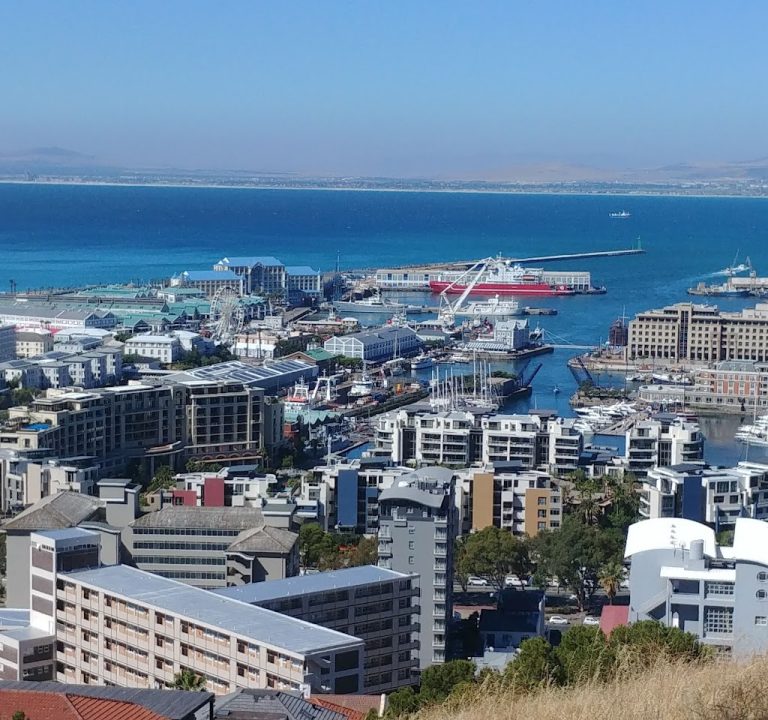
The V&A Waterfront and the central area are ideal for first‑time visitors who want easy access to museums, ferries, and a string of restaurants without long taxi rides. The Atlantic Seaboard, including Green Point and Camps Bay, is perfect for beach lovers and those seeking dramatic coastal scenery with stylish eateries and nightlife nearby. For wine‑lovers and scenic drives, Constantia or the Cape Winelands offer serene lodges and countryside charm a short hop from the city. If you’re here to hike, surf, and explore nature reserves, the neighbourhoods around the Table Mountain National Park provide convenient trails and quieter streets. Finally, family travellers may enjoy self‑catering apartments near the harbour or secure lodges in commuter‑friendly suburbs with good access to tourist routes.
What to look for when booking
- Location relative to your planned activities (city sights, beaches, or wine country).
- Ease of transport: presence of on‑site parking, proximity to main routes, and access to public transport such as the MyCiTi bus or Uber/ taxi services.
- Amenities that matter to you: breakfast options, 24‑hour reception, strong Wi‑Fi, and secure access.
- Room configurations and accessibility: whether you need family rooms, privacy, or workspaces.
- Balance of comfort and price: many properties offer flexible rates for longer stays or last‑minute comfort.
Typical amenities and how they shape a stay
Mid‑range to higher‑end lodging in Cape Town commonly features complimentary Wi‑Fi, in‑room beverages, tea and coffee facilities, and daily housekeeping. Breakfast included options save time before a day of sightseeing, while on‑site restaurants or lounge bars offer convenient dining after a day of exploration. Parking is valued by visitors who plan to hire a car or join day trips; some properties provide secure parking or valet services. Rooms with sea or mountain views tend to command a premium but can be well worth the extra cost if you plan to linger in the morning or late afternoon. Flexible cancellation policies and clear check‑in procedures are particularly useful in peak travel periods when weather and events can influence plans.
Transport and getting around
Cape Town’s terrain means some areas are better suited to walking or short taxi rides, while others benefit from a car or organised excursions. The MyCiTi bus network is an affordable option for city travel, linking the city centre, the waterfront, and popular beaches. For broader exploration—such as the scenic Atlantic Seaboard drive or Constantia Valley—many guests prefer car hire, private transfers, or guided tours. If you stay near the harbour, you’ll find walks along the coast appealing, with easy access to ticketed boat trips to Robben Island or nearby nature reserves when available. A calm, predictable plan for each day helps you maximise time for both rest and discovery.
Seasonality and best time to visit
Cape Town is most comfortable in late spring to early autumn (October to April) when days are longer and generally dry, with the possibility of warm to hot afternoons along the coast. Winter (June to August) brings cooler, wetter weather, which can be ideal for less crowded experiences and wine‑route visits when lodge rates may be lower. Spring and autumn offer a balance of pleasant weather and fewer crowds, making it a good time for outdoor activities and sightseeing without the peak price tag.
Practical tips for a smooth stay
- Book a stay with flexible cancellation, especially if your plans may shift with weather or events.
- Check how access works after hours, including security entry and late‑arrival procedures.
- Prepare for variable weather: pack a light waterproof layer and comfortable walking shoes for varied terrain.
- Plan day trips and booking windows in advance for popular attractions or guided tours.
- Respect local guidelines and neighbourhood norms, especially in residential areas or gated communities.
Attractions and dining in general terms
Cape Town offers world‑class natural beauty alongside culturally rich neighbourhoods. Iconic natural landmarks provide dramatic backdrops for photographs and outdoor adventures, while museums and galleries tell the story of the city’s diverse heritage. Dining spans from casual eateries with fresh seafood and locally sourced produce to refined fine‑dining rooms that showcase South African cuisine and global influences. In addition to iconic viewpoints and historic sites, visitors can enjoy harbour walks, markets, and wine‑tuelled day trips to nearby valleys and towns. When planning meals, it’s useful to reserve ahead for popular spots, particularly in peak seasons.
A note on staying with a lodge character
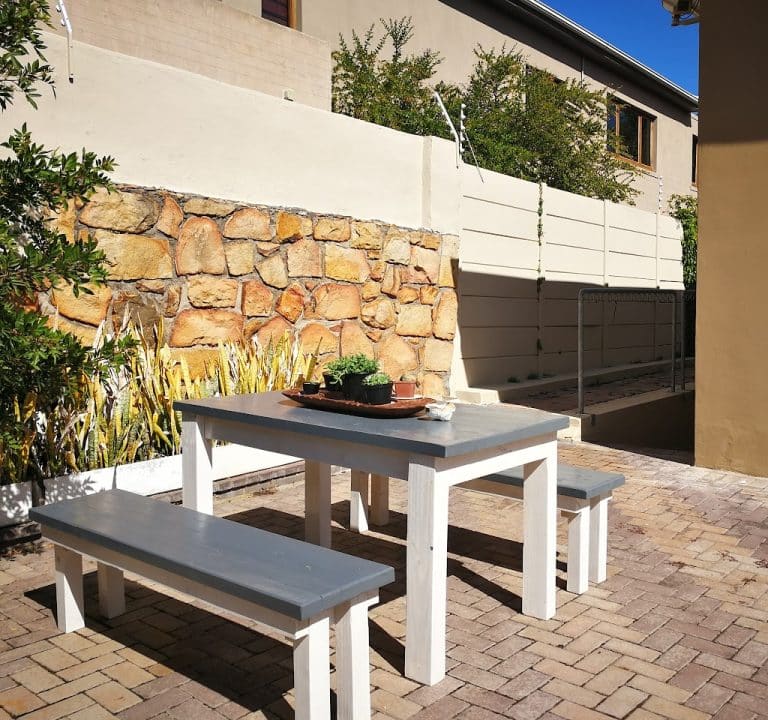
St Johns Waterfront Lodge, as an example of lodge‑style accommodation in Cape Town, embodies a relaxed, intimate atmosphere with more personal space and a concise set of guest services. Lodges typically emphasise comfort, outdoor access, and a closer link to their surroundings, offering a convenient base for both short breaks and longer stays. Regardless of the specific property, a lodge in Cape Town can provide a grounded experience that complements days spent exploring the city, beaches, and nearby vineyards.
In summary, planning a Cape Town stay involves aligning your choice of neighbourhood with your interests, weighing transport options, and choosing accommodations that offer the right mix of comfort, amenities, and flexibility. With its varied scenery, practical transport links, and a wide range of places to eat and explore, Cape Town invites visitors to craft a personalised itinerary that balances rest with discovery. For those seeking a lodge‑style base, consider a well‑located option near the harbour or along the Atlantic Seaboard to enjoy easy access to both urban attractions and coastal adventures.